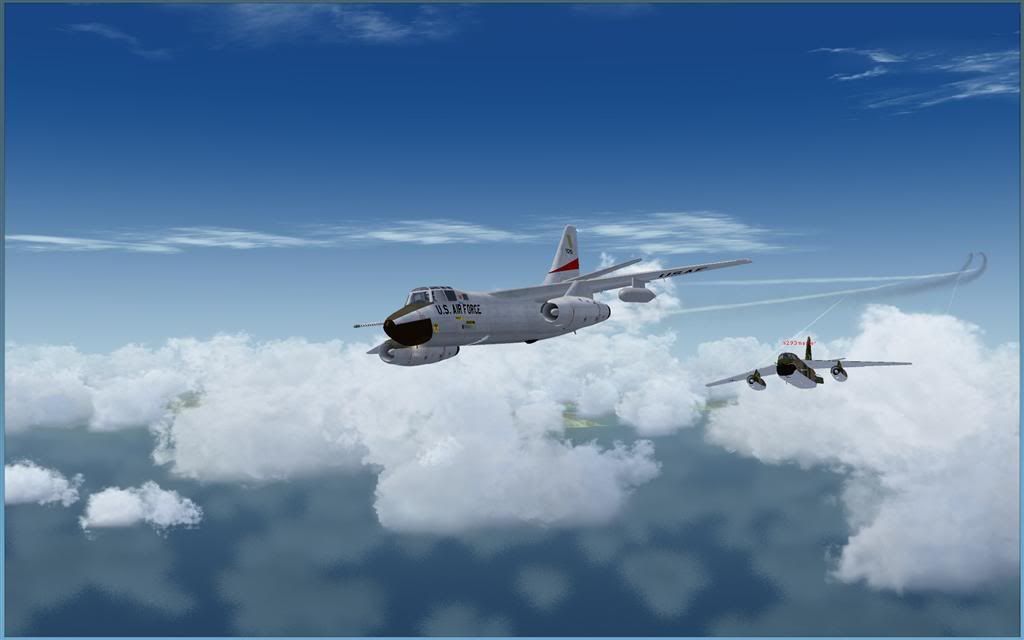
Time to turn and burn 1966 , ... lesser buckweed .. in for the speed
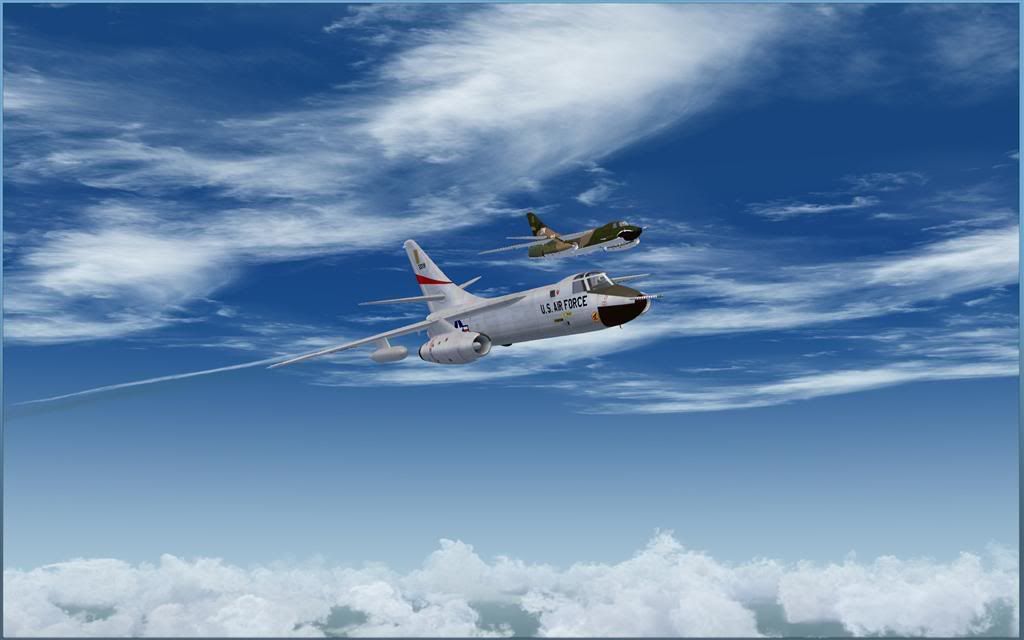
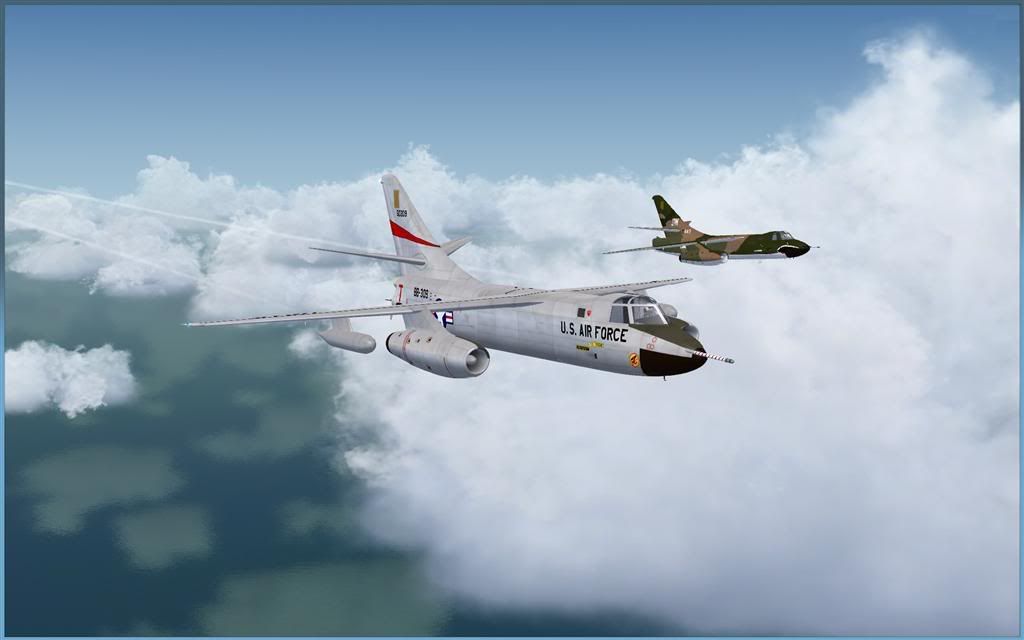
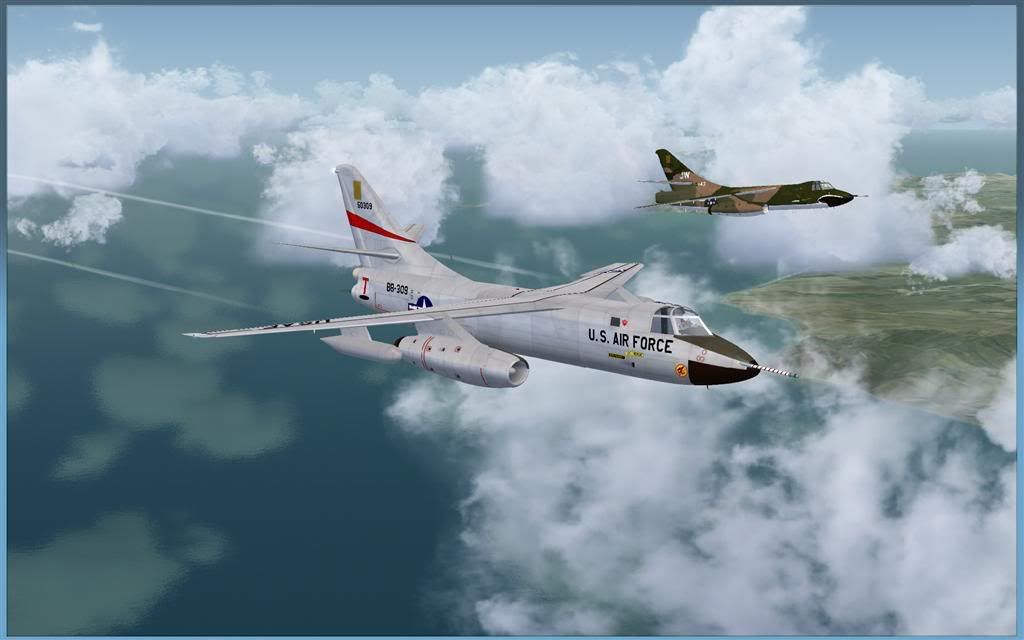
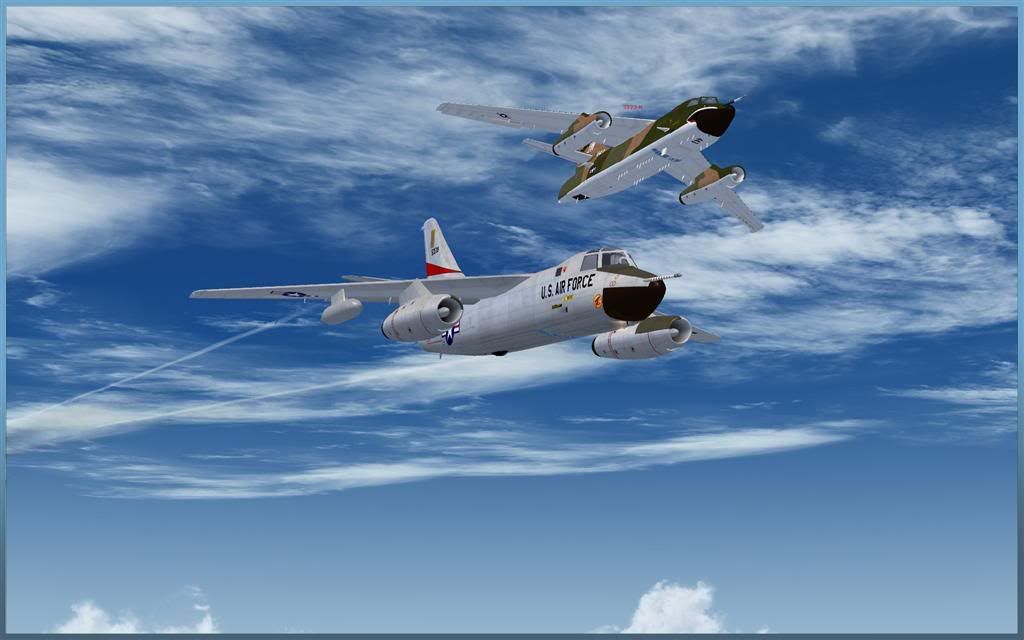
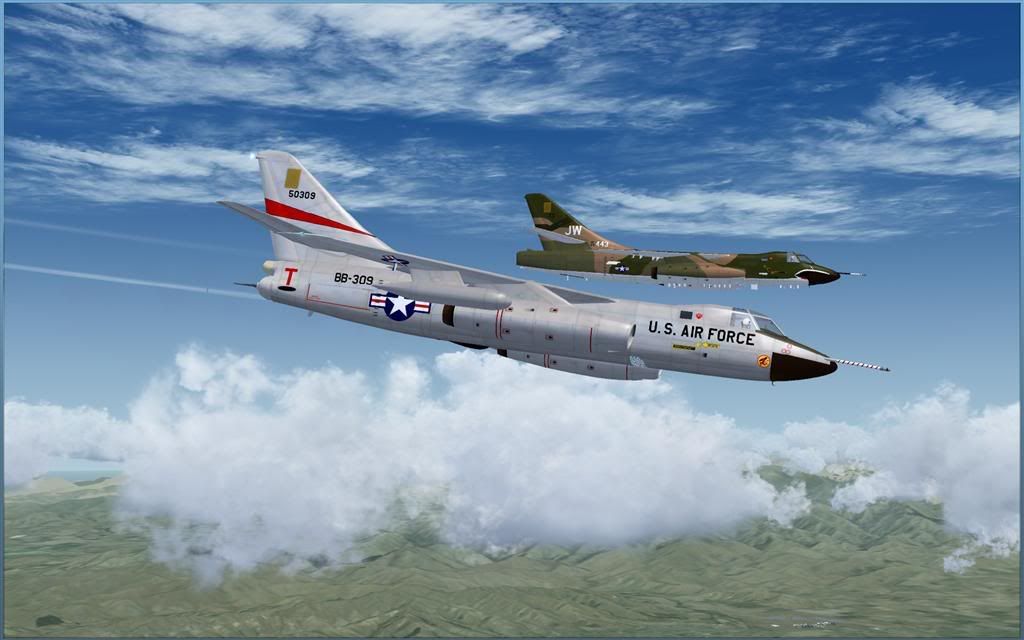
Vietnam in for cookies .... 666

100% ad-free
 by Ian Warren » Sun Feb 15, 2009 12:35 am


by h290master » Sun Feb 15, 2009 4:30 pm
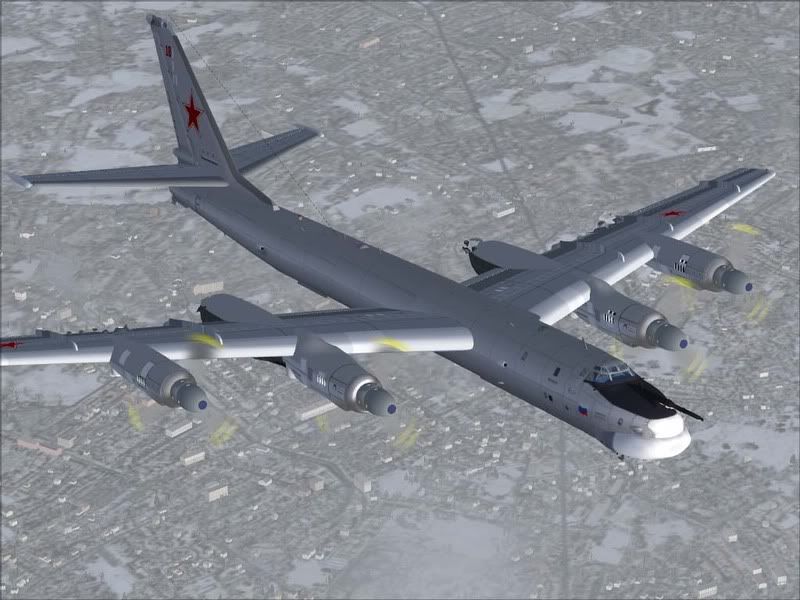
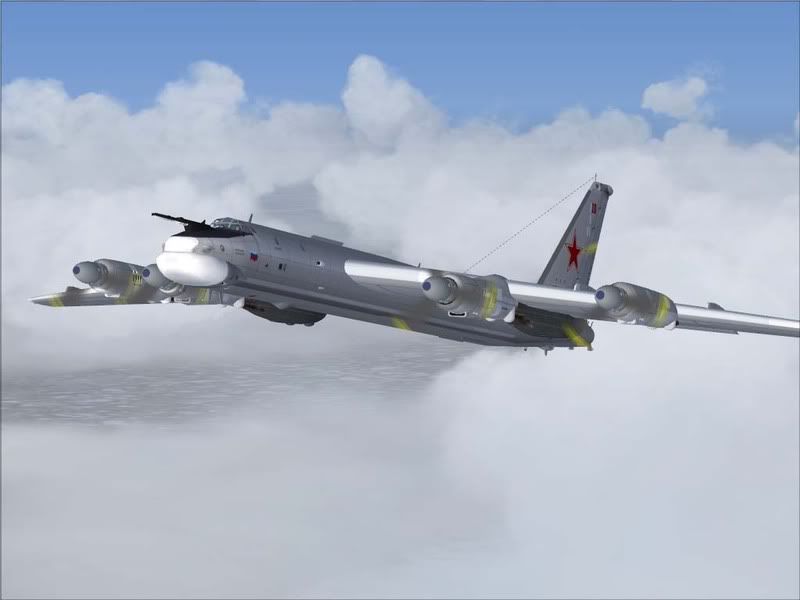
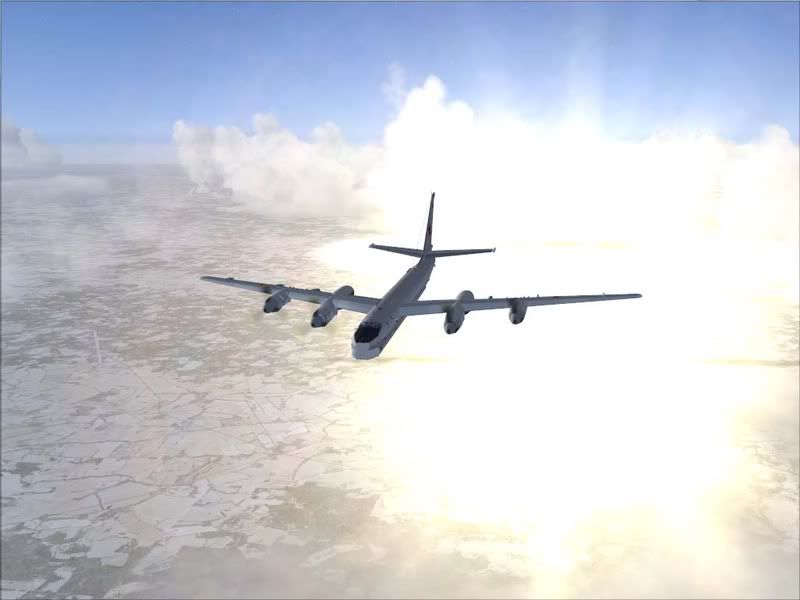
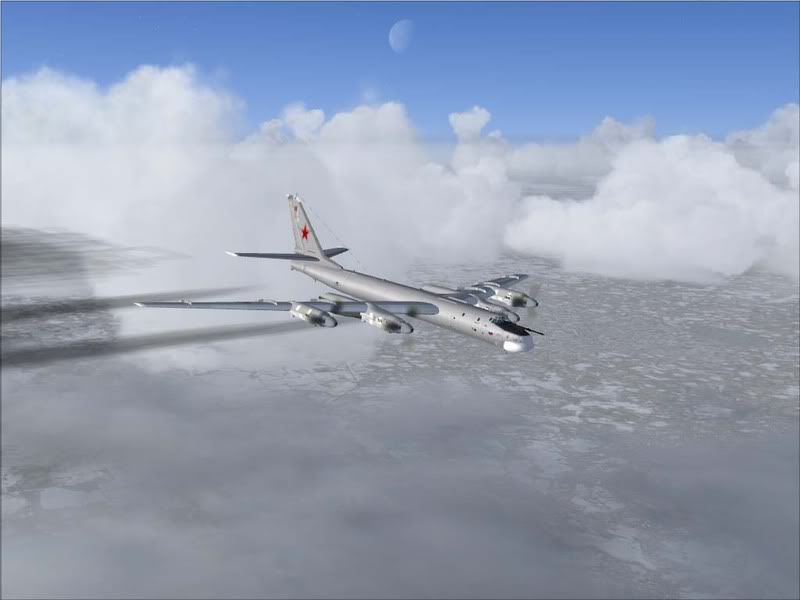








by h290master » Sun Feb 15, 2009 7:07 pm
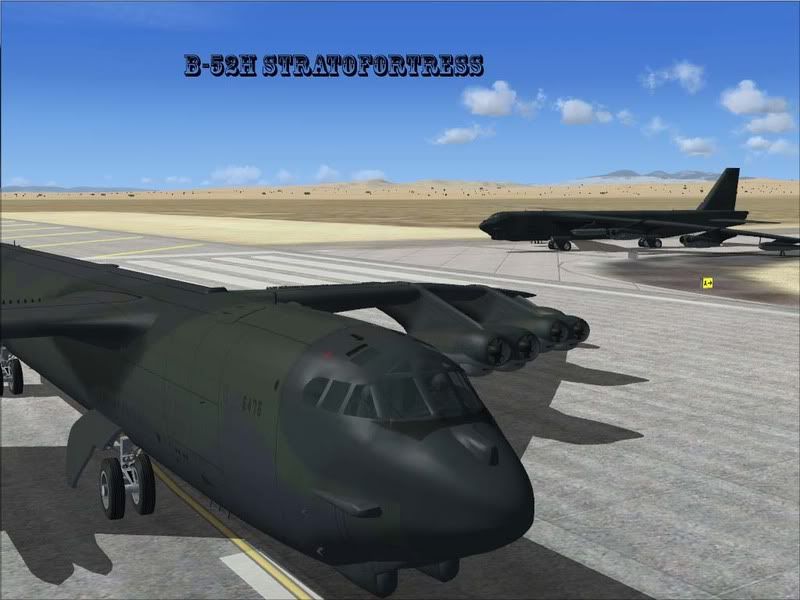
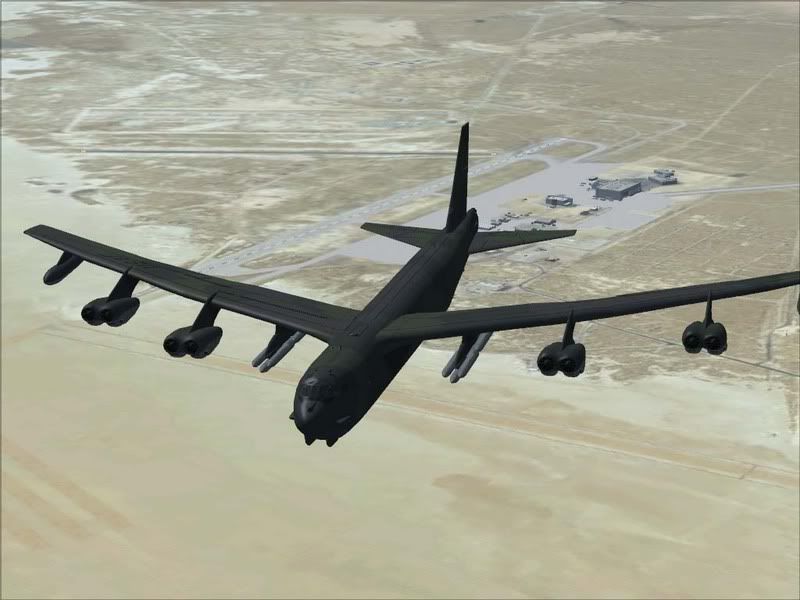
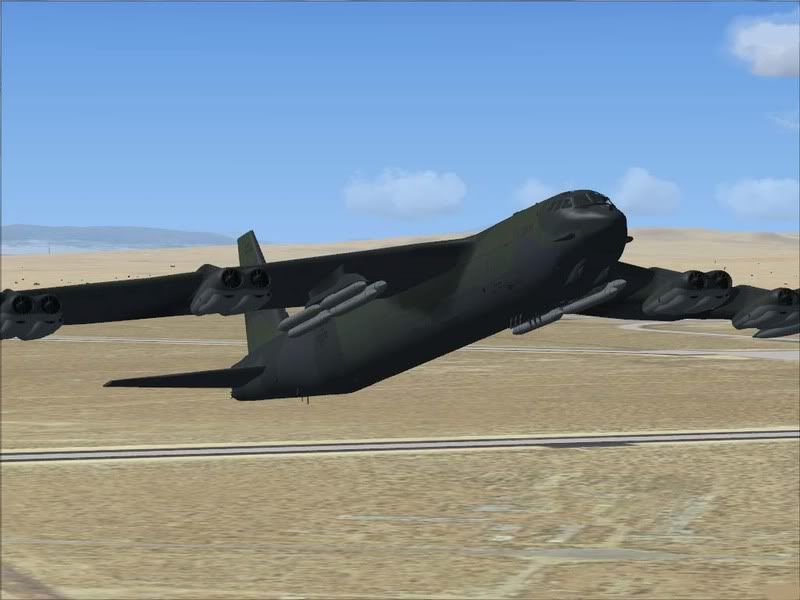
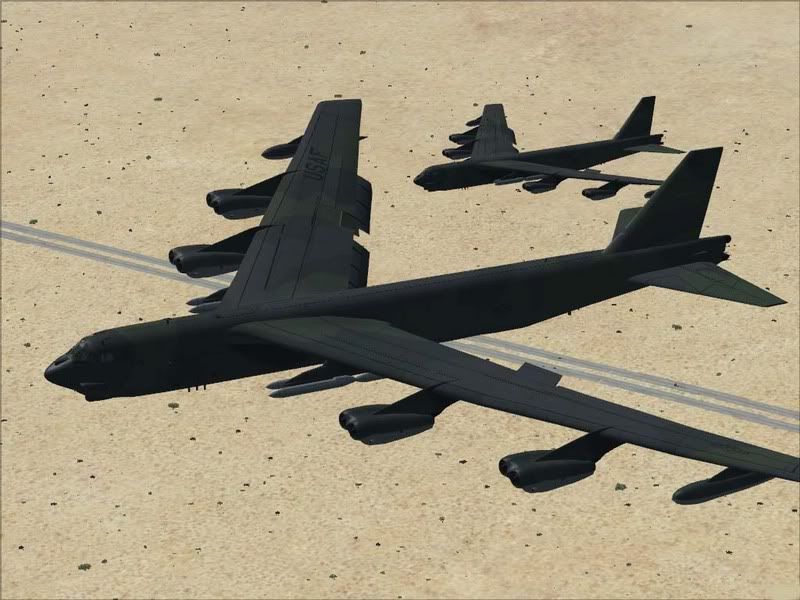
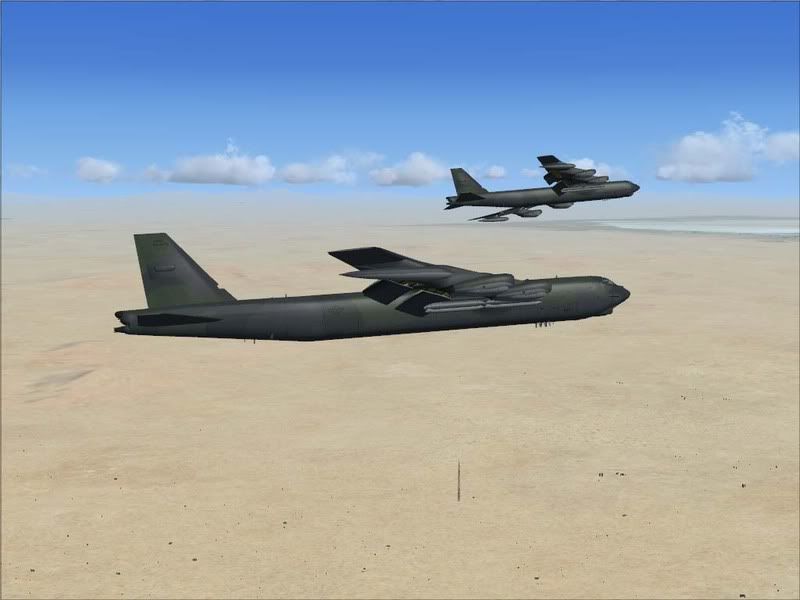
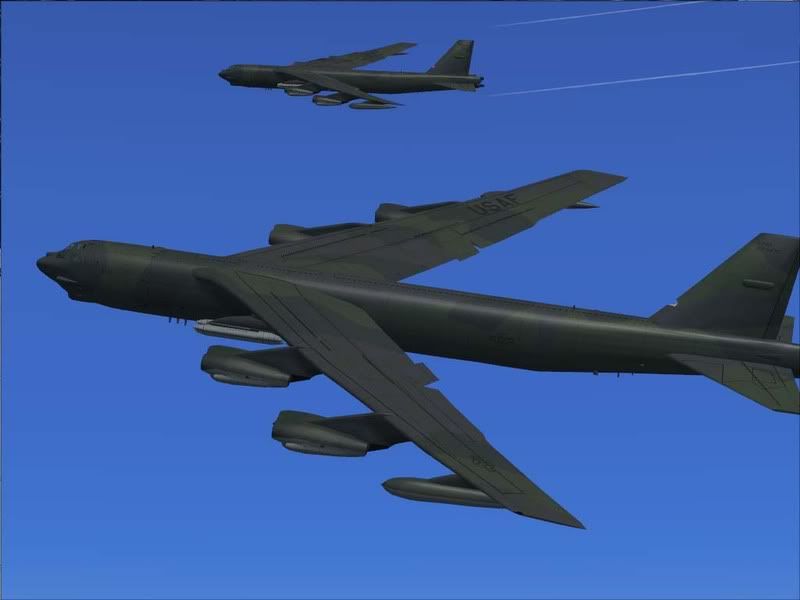
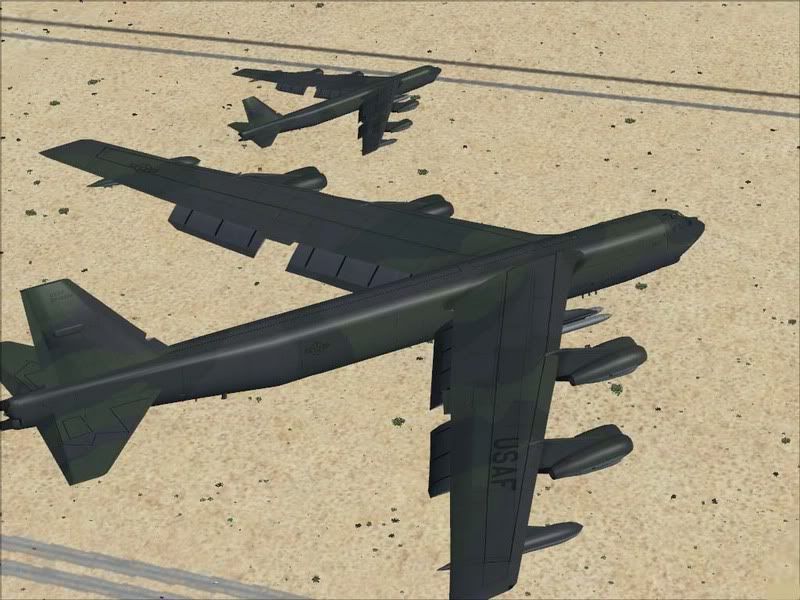
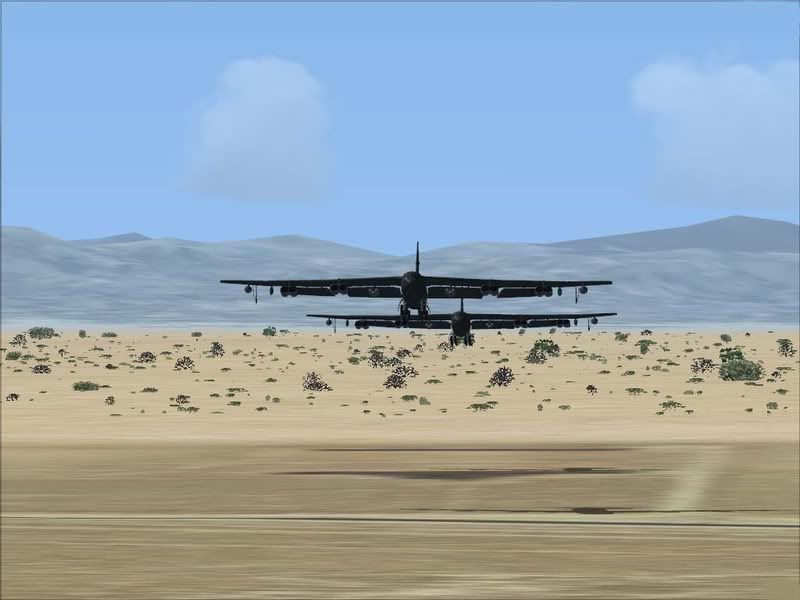
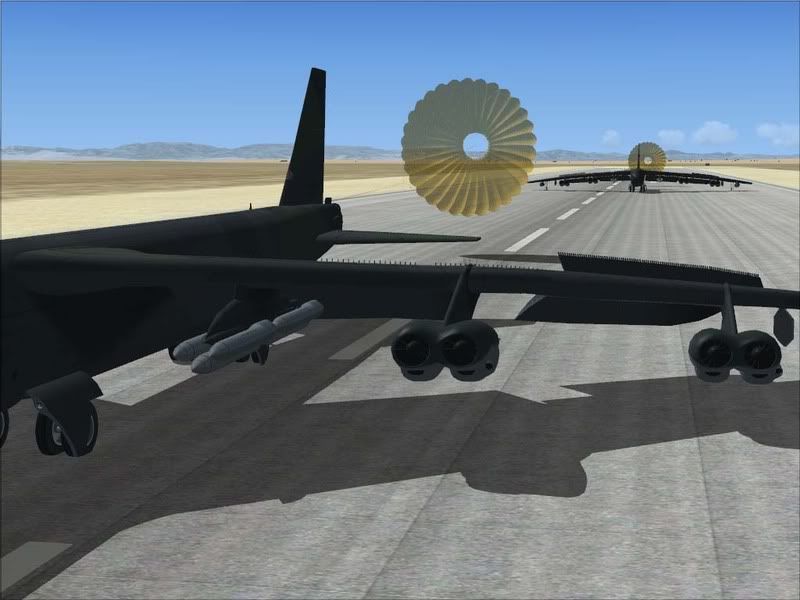
by h290master » Sun Feb 15, 2009 8:53 pm
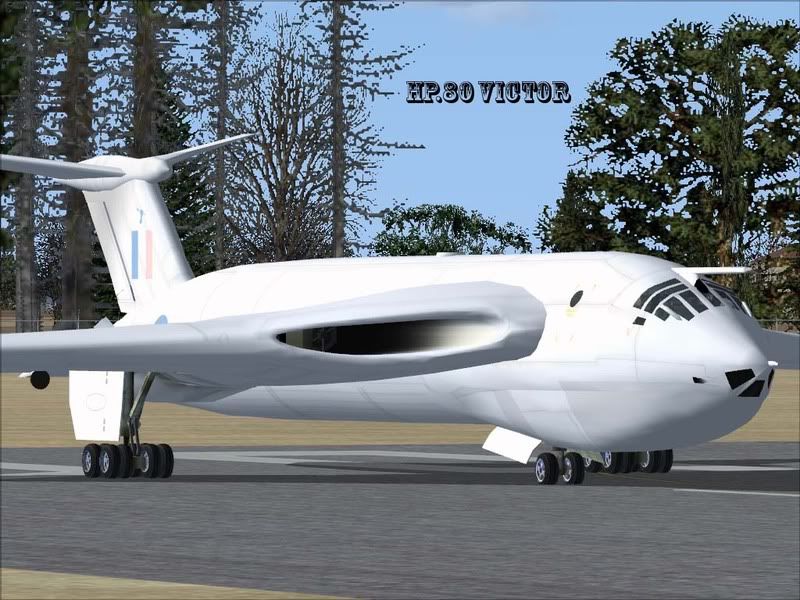
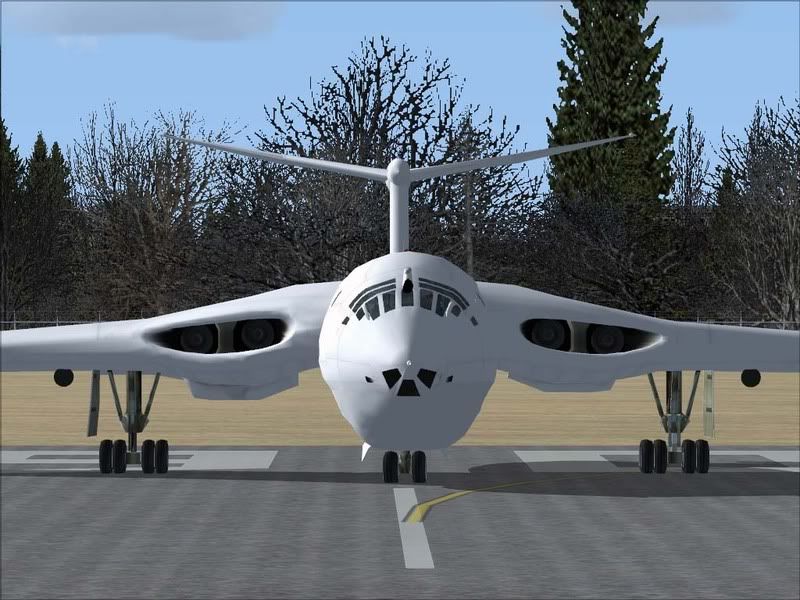
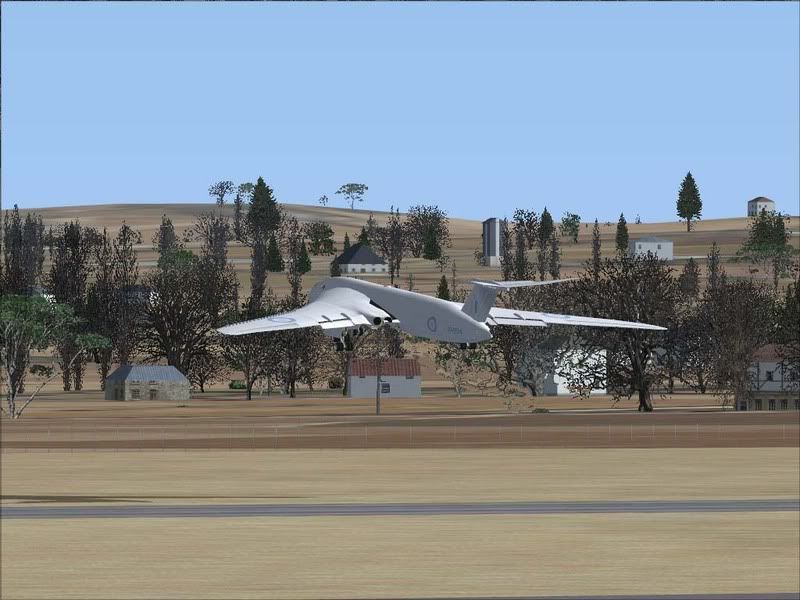
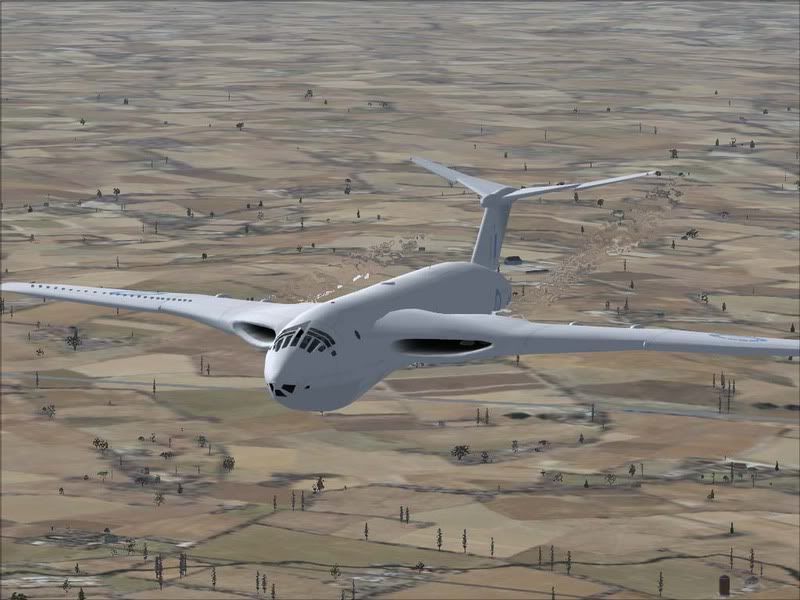
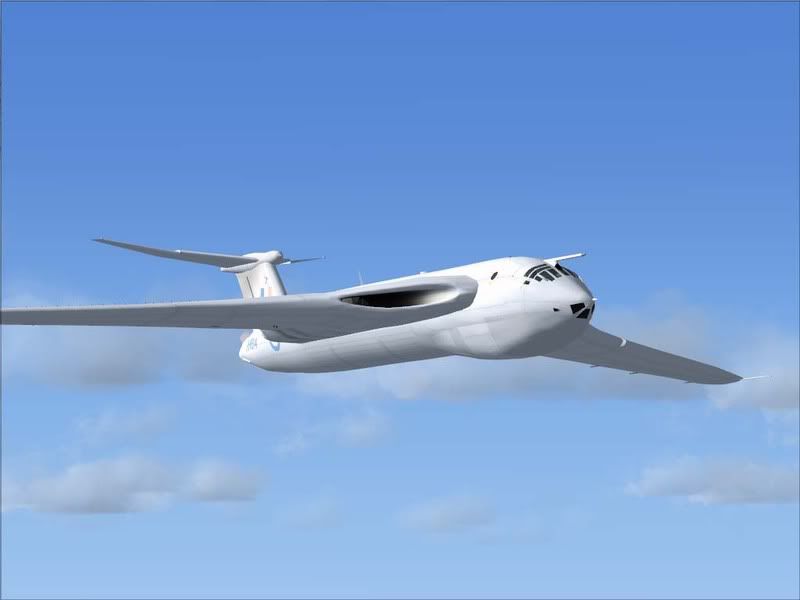
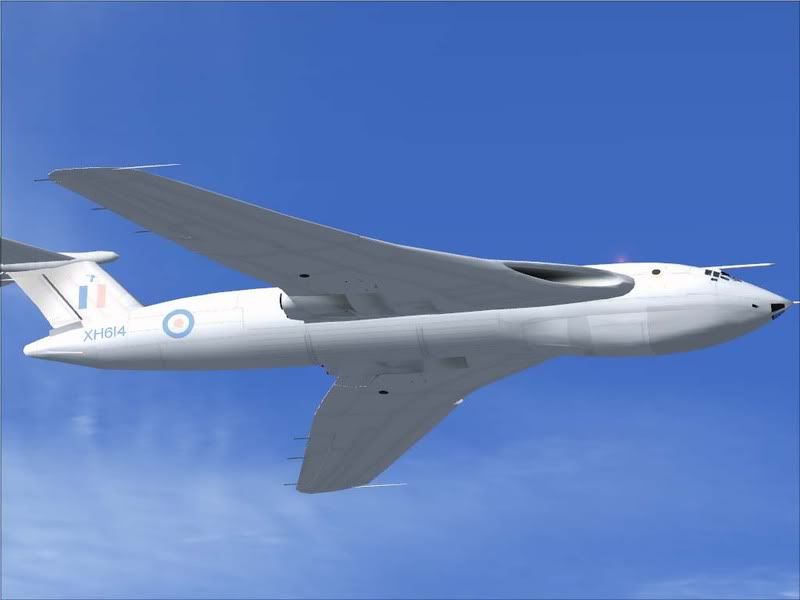
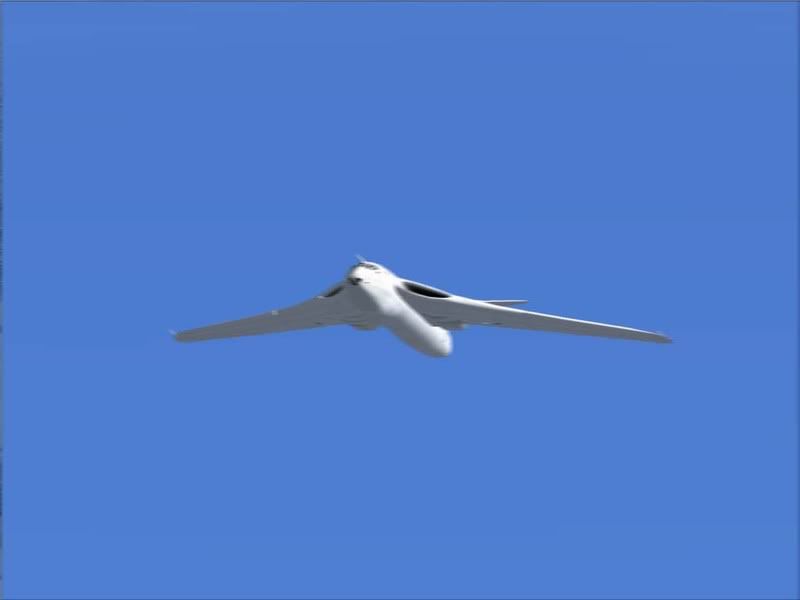
by Ian Warren » Sun Feb 15, 2009 9:19 pm

by h290master » Sun Feb 15, 2009 10:27 pm
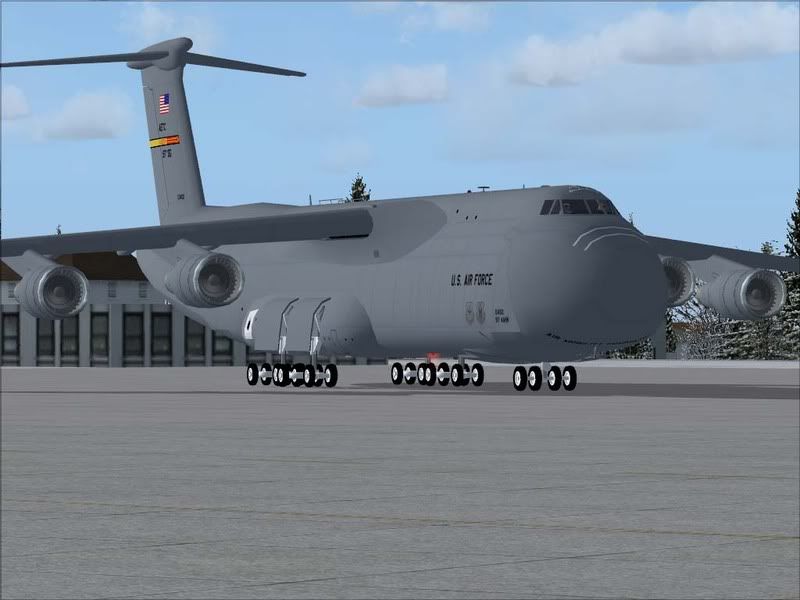
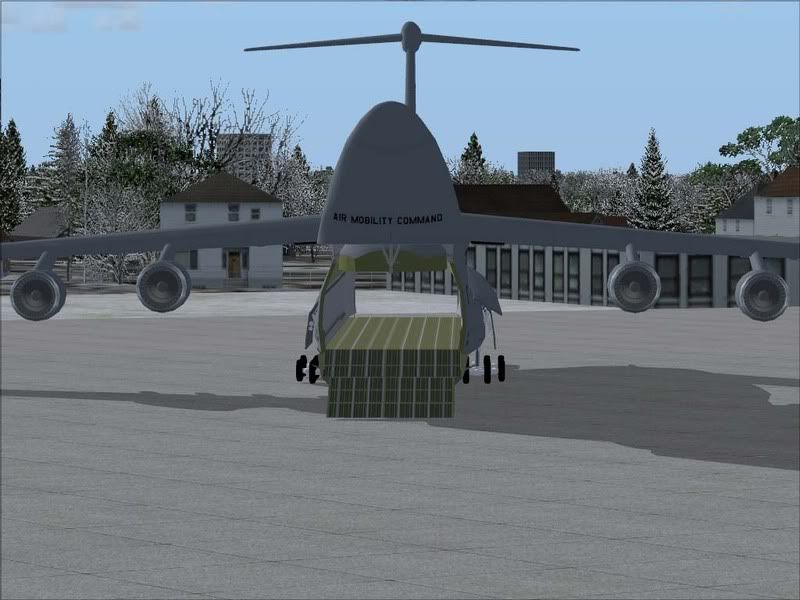
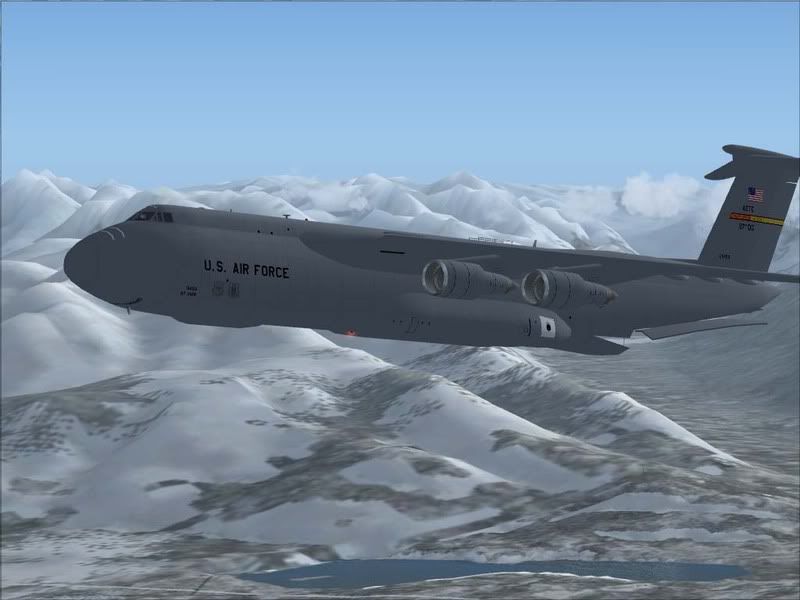
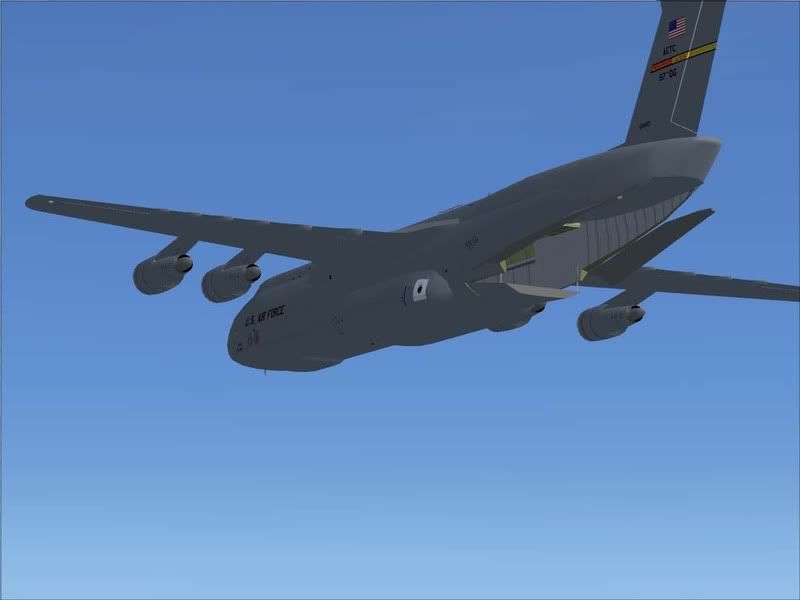
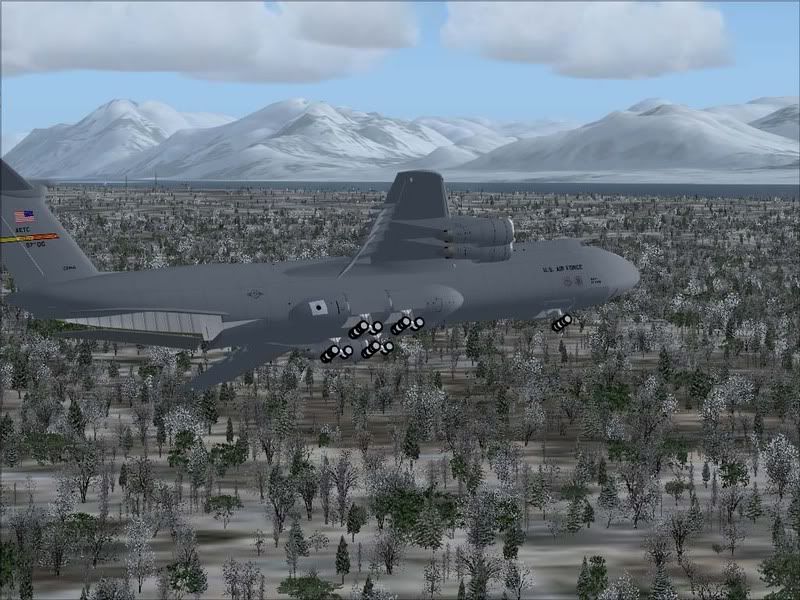
by Ian Warren » Sun Feb 15, 2009 11:35 pm

by hasegawa » Sun Mar 01, 2009 9:26 am


by Ian Warren » Sun Mar 01, 2009 11:28 am
hasegawa wrote:QUOTE (hasegawa @ Mar 1 2009, 10:26 AM) <{POST_SNAPBACK}>today civilian. here we see the workhouse of the Aeroflot for short distances... the Tupolev Tu 134A
It would be interesting to log and see how many Tu134s were used for secret intelligence flights and aerial espionage .
by hasegawa » Mon Mar 02, 2009 11:51 pm
by hasegawa » Sat Nov 21, 2009 5:06 am


by hasegawa » Sat Nov 21, 2009 6:59 am
by Ian Warren » Sat Nov 21, 2009 12:06 pm
Long time no see . I am prity sure i do have the RNZAF paint plans , i also have recent photos albeit most being the two seater and some of the single ... that one was hanging from the roof at the Wigram Air Force World Museum were as that two seater i practically climbed all over it . I also do have this brilliant Vampire 
by Alfashark » Thu Dec 03, 2009 7:21 pm

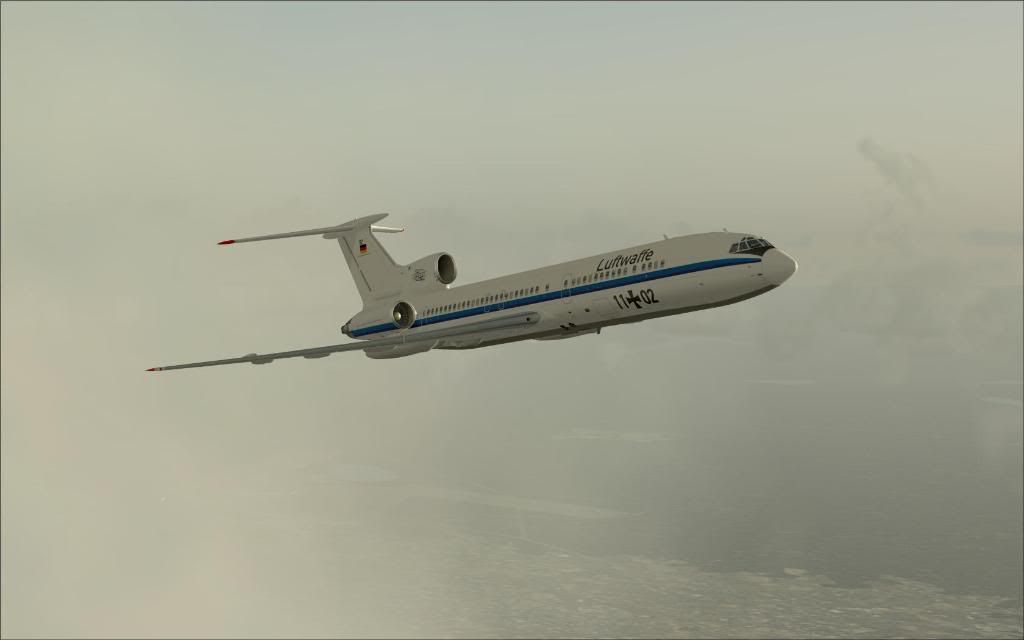
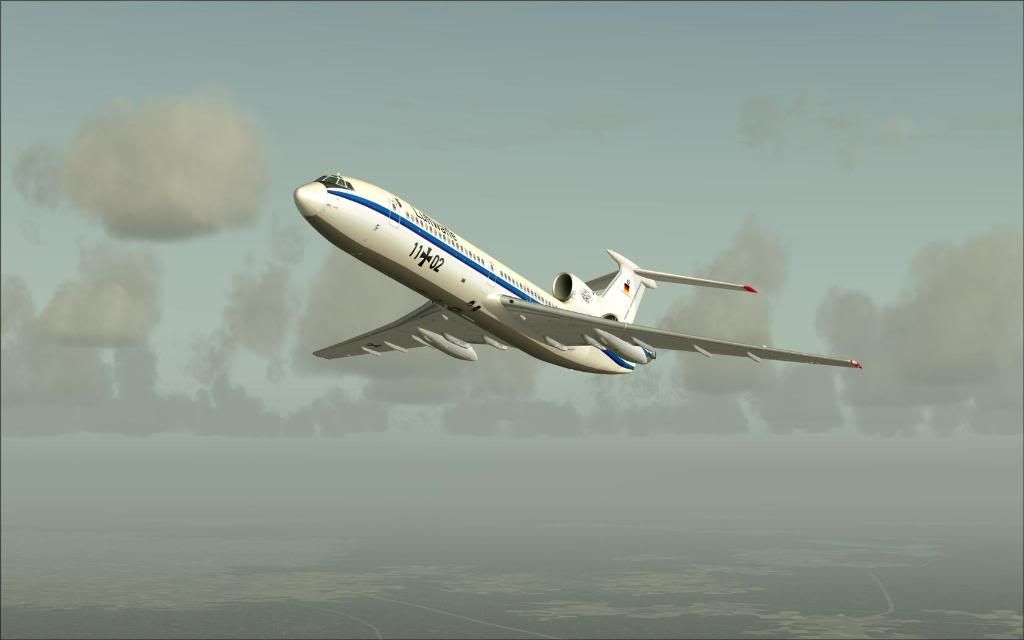
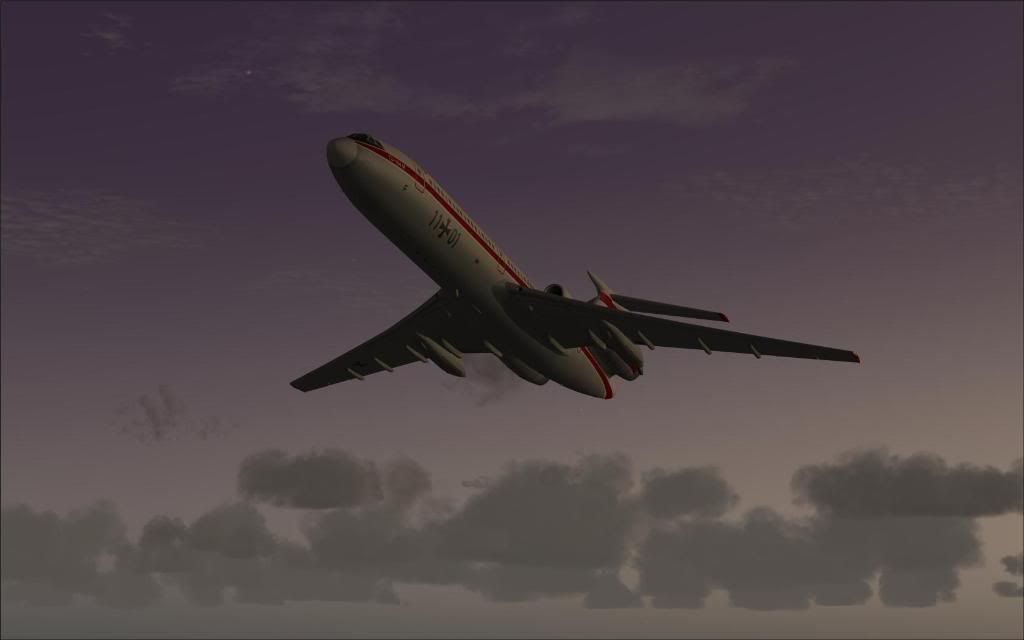
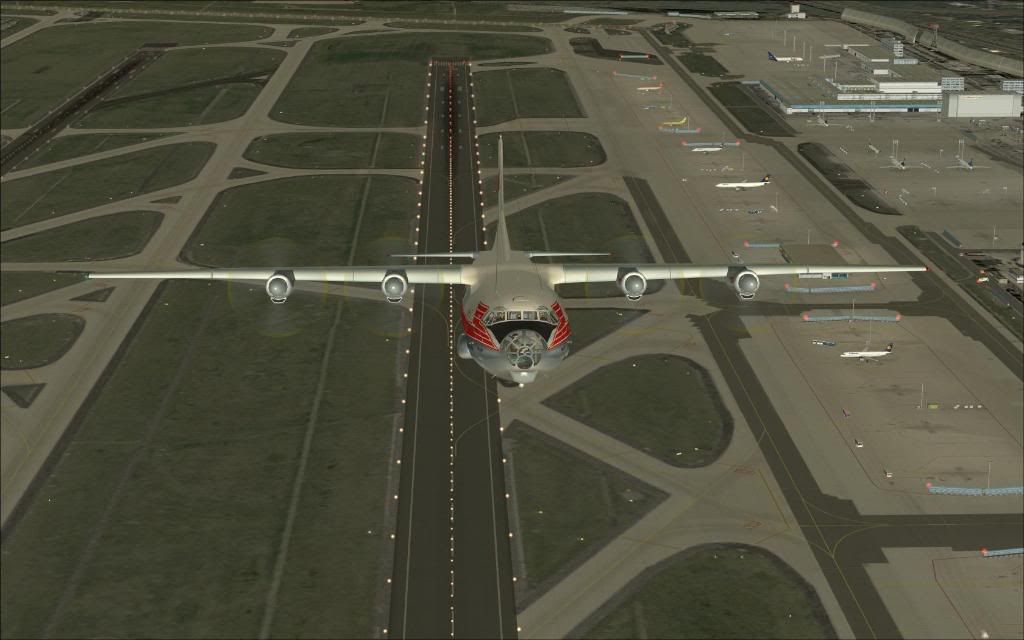
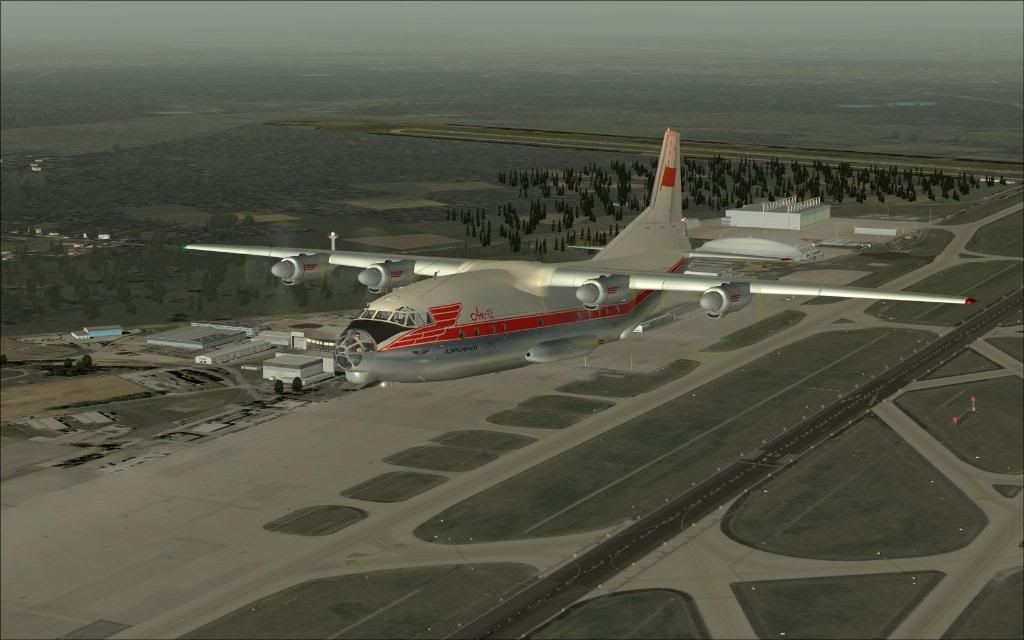
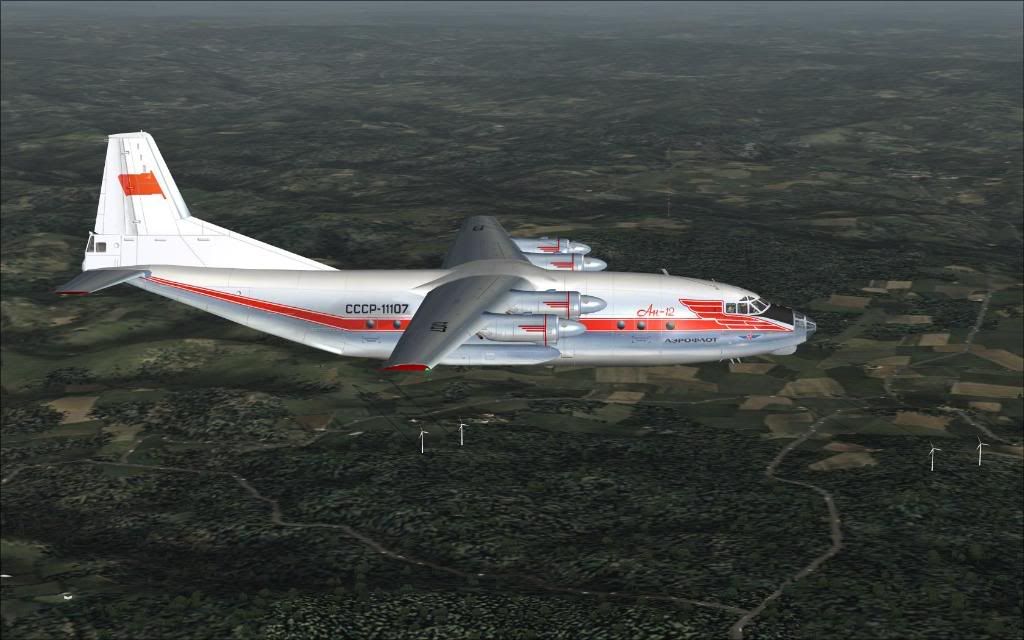
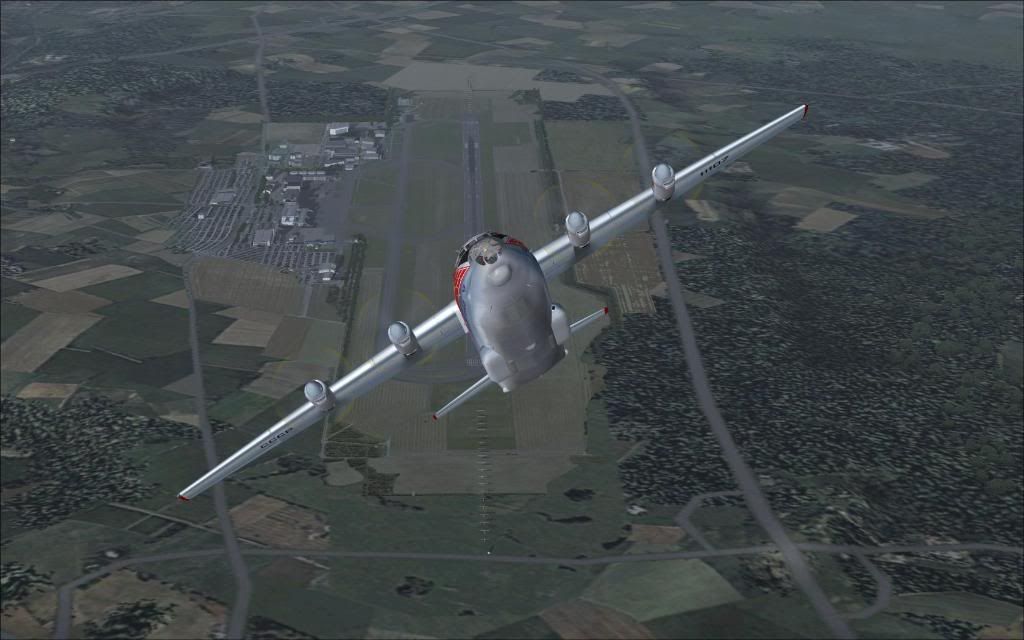
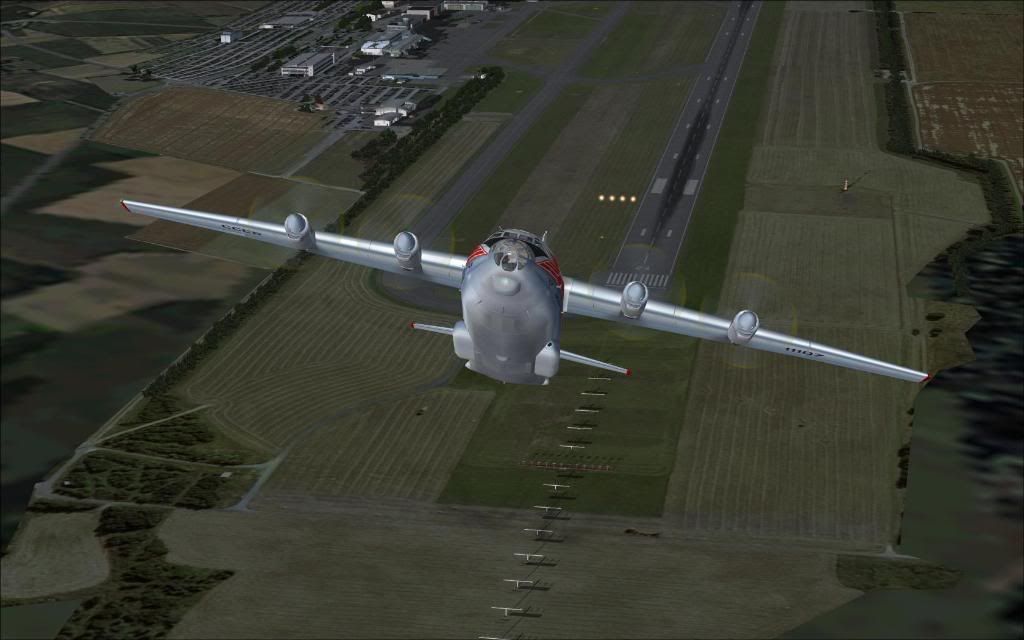


by Ian Warren » Thu Dec 03, 2009 8:10 pm
by Alfashark » Fri Dec 11, 2009 9:12 pm

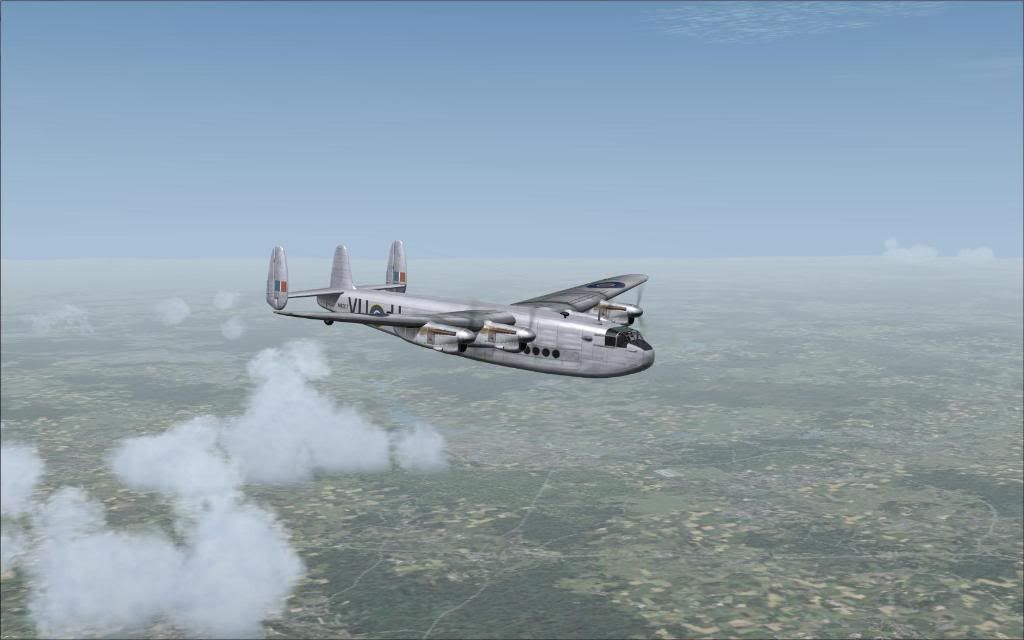
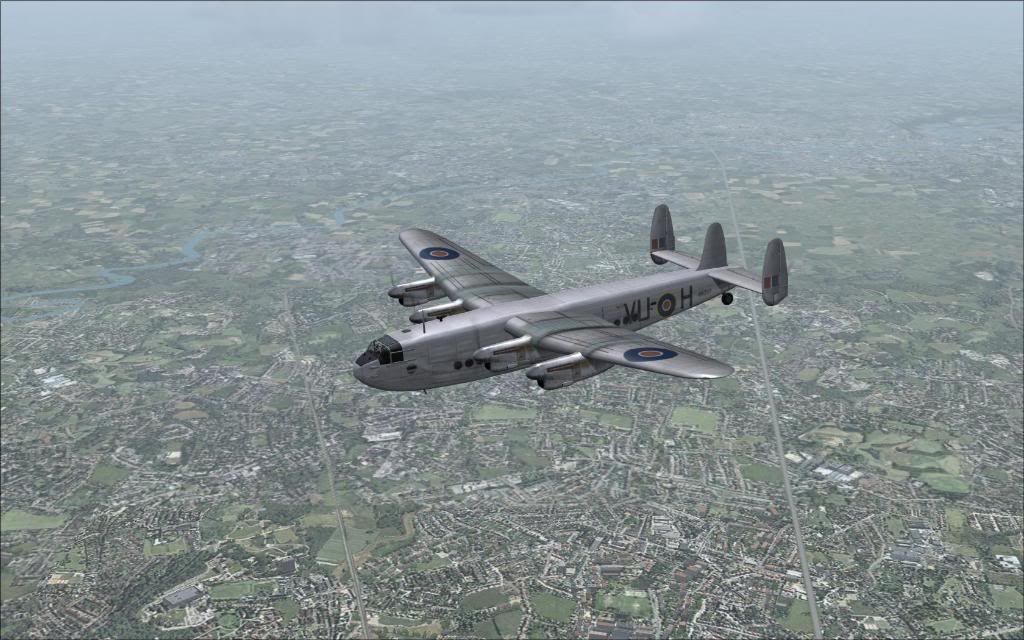
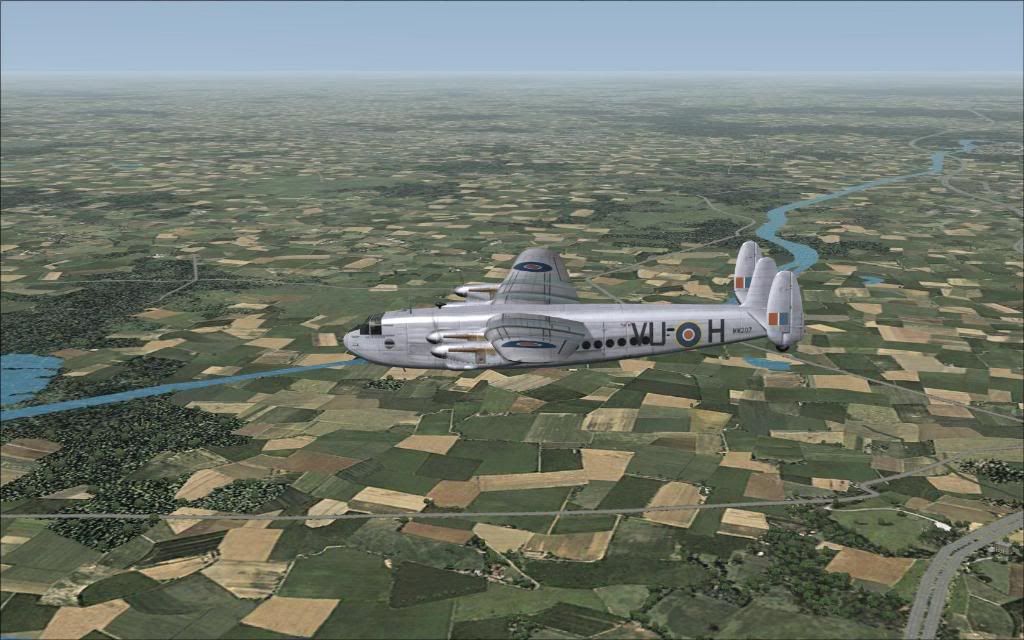
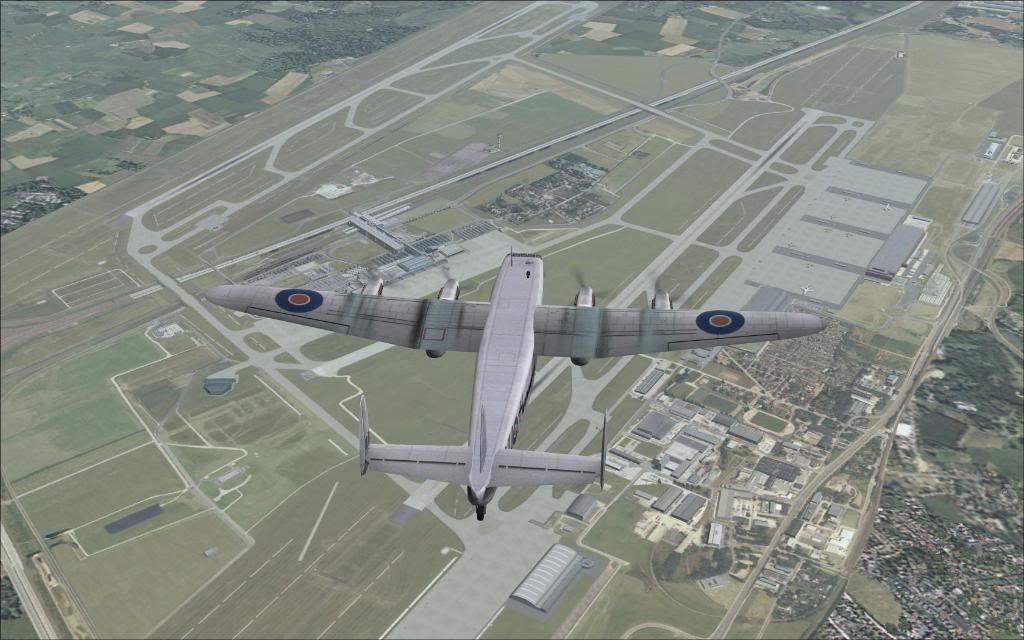
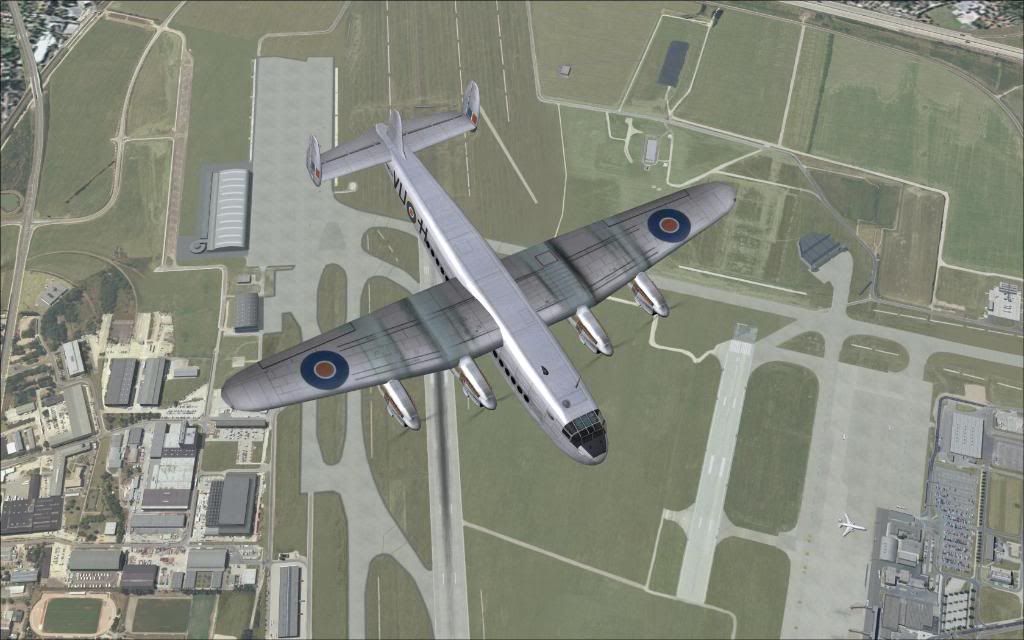
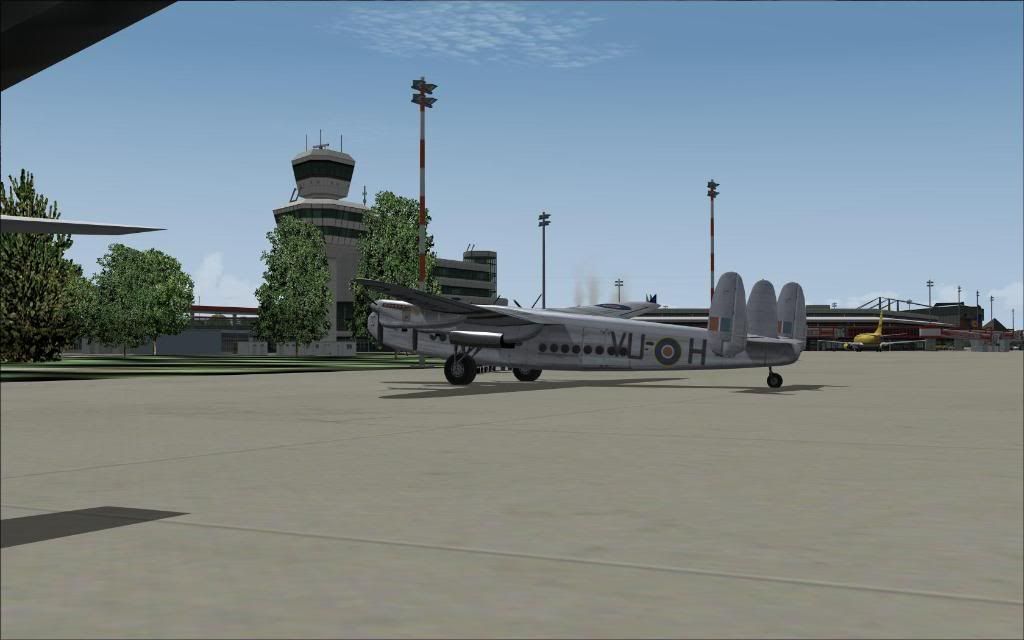
by Alfashark » Fri Dec 11, 2009 9:32 pm
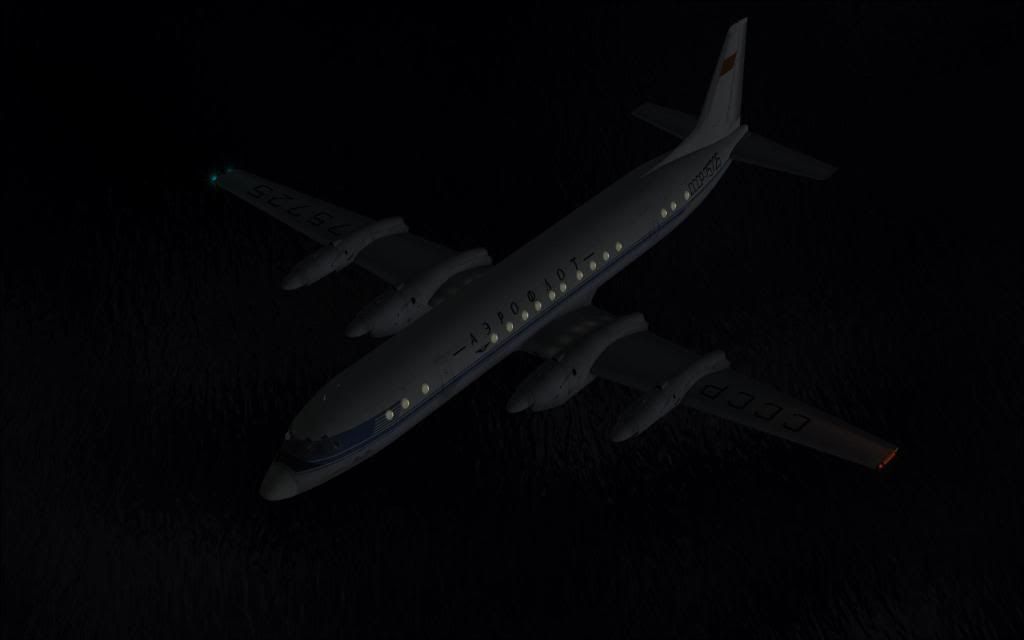
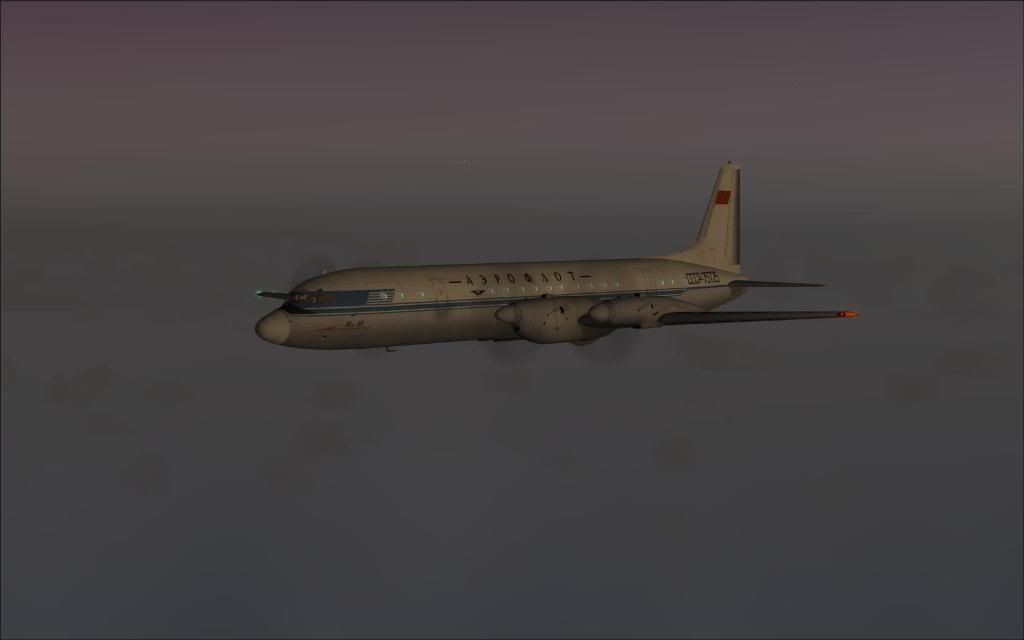
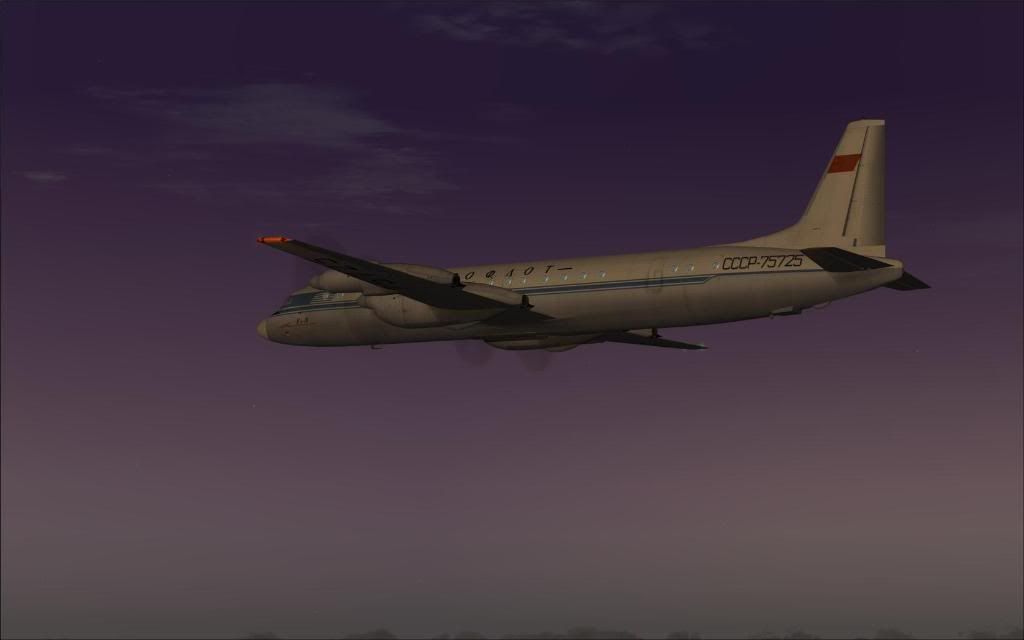
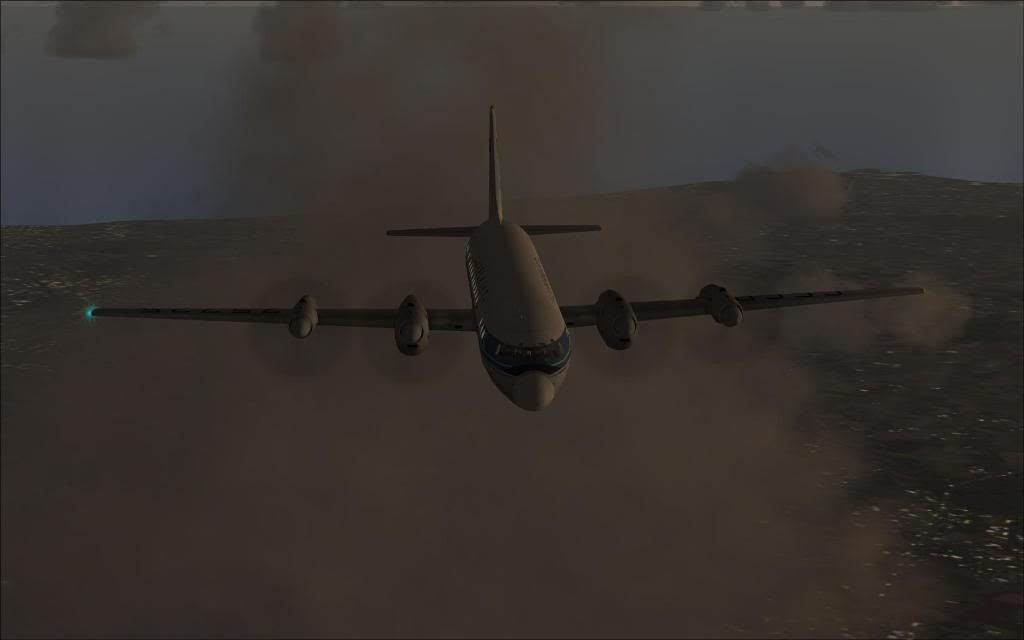
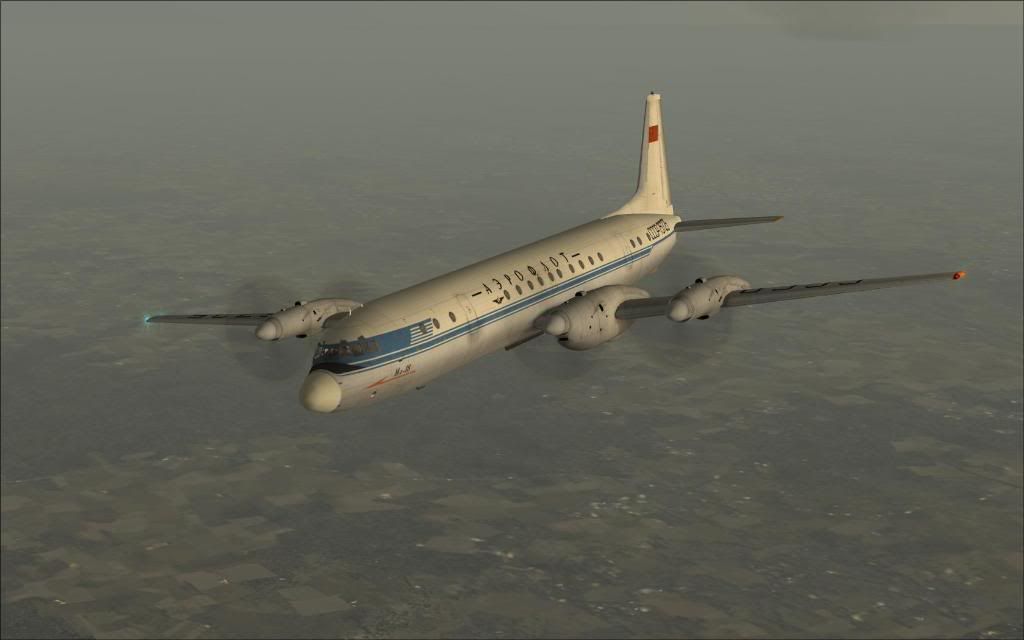
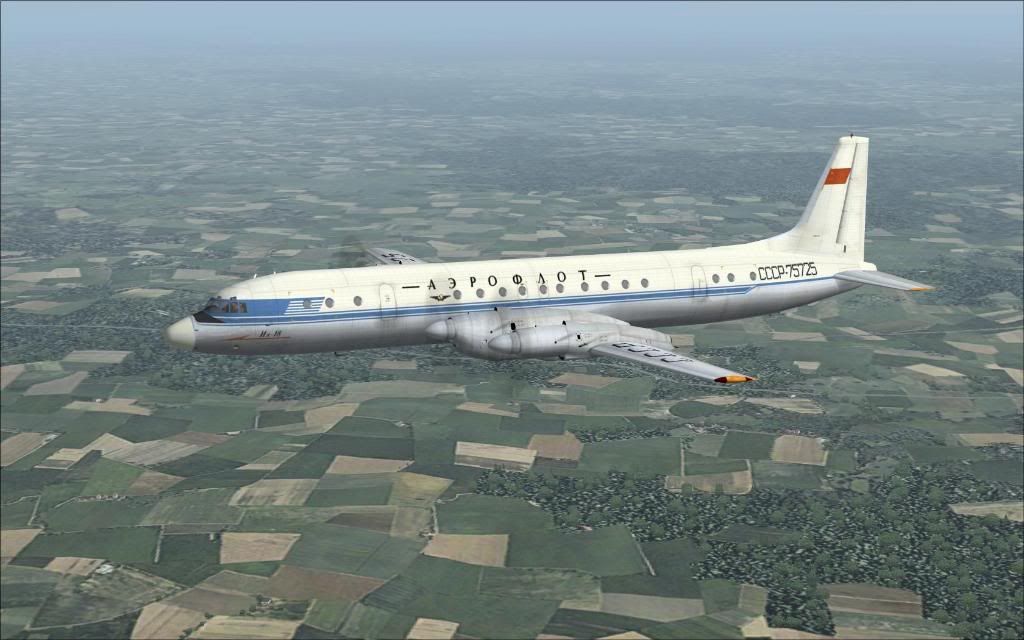
by Alfashark » Mon Dec 14, 2009 8:40 pm
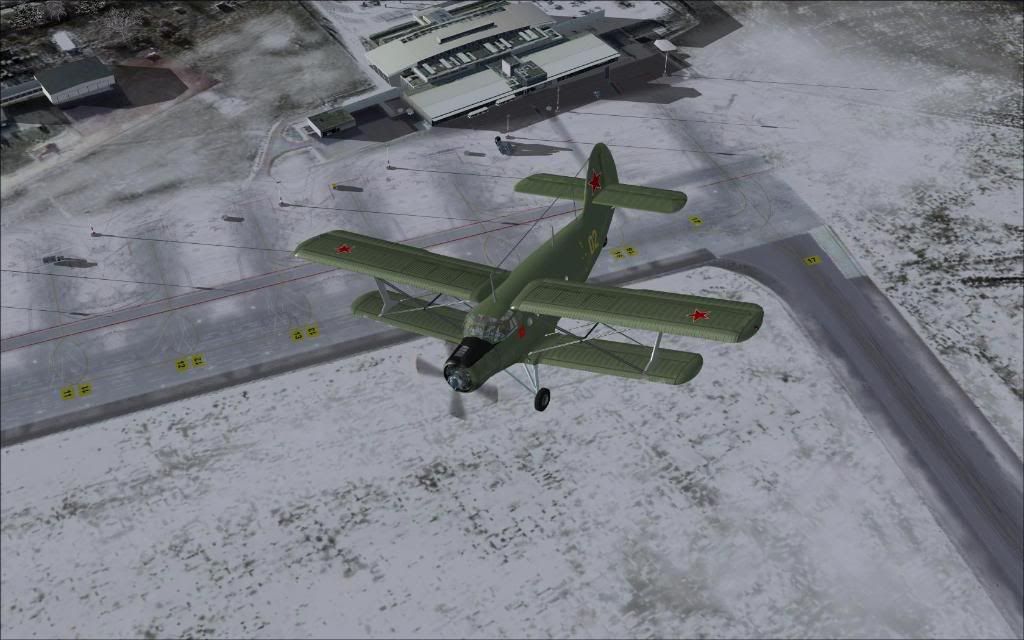
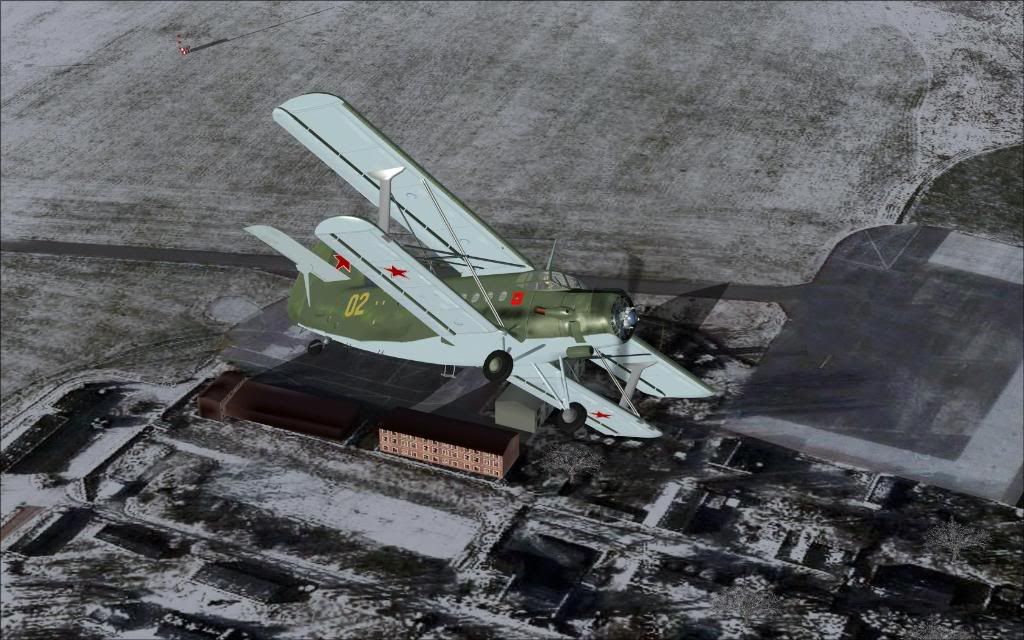
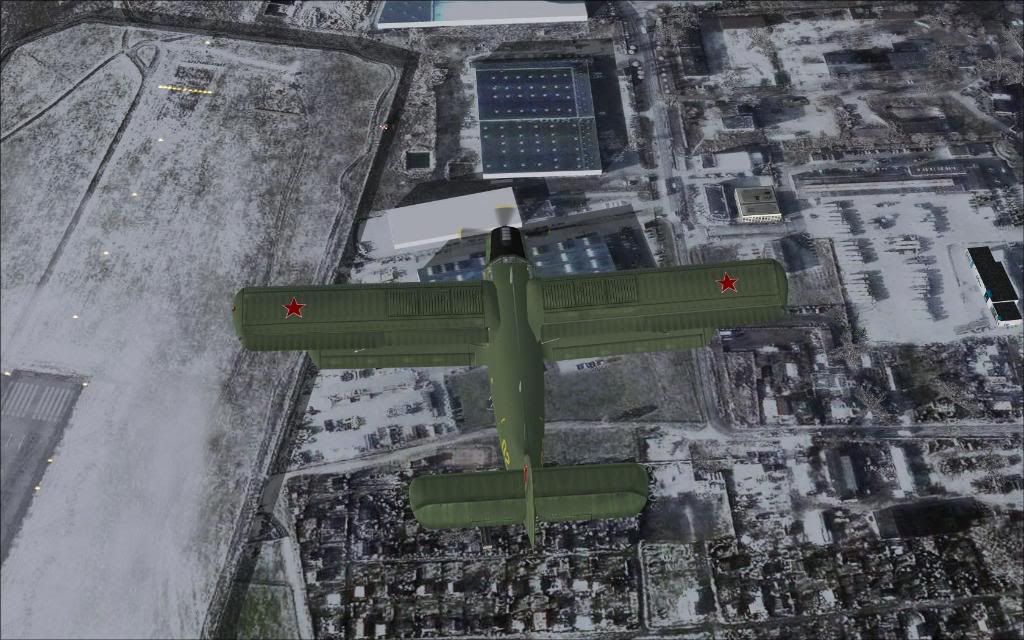
 Still available new though - PZL took over manufacturing until '91 and will still produce them to customer order...
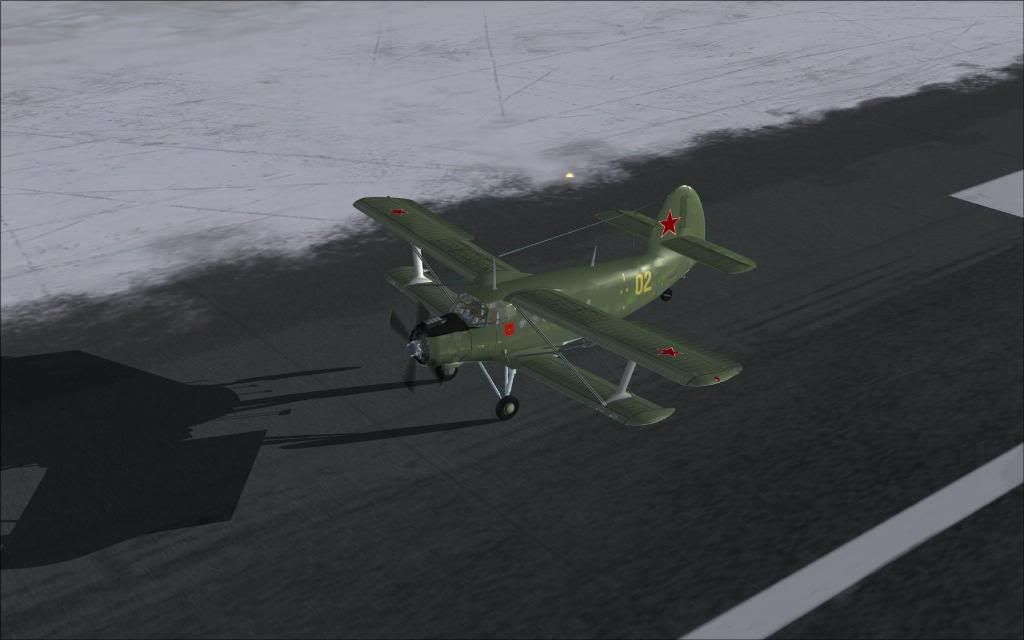
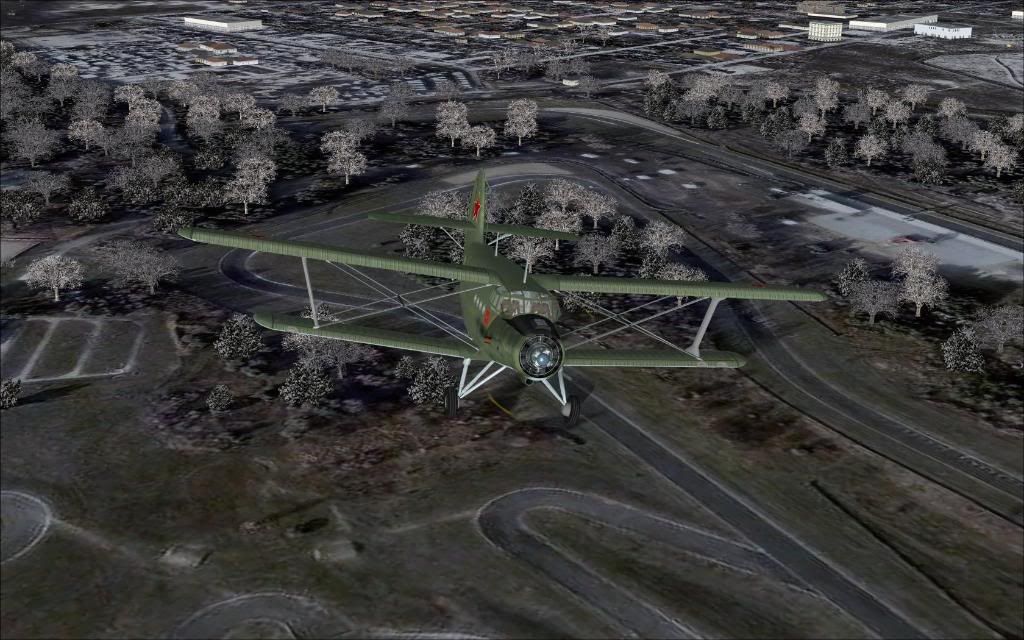
Users browsing this forum: No registered users and 15 guests
