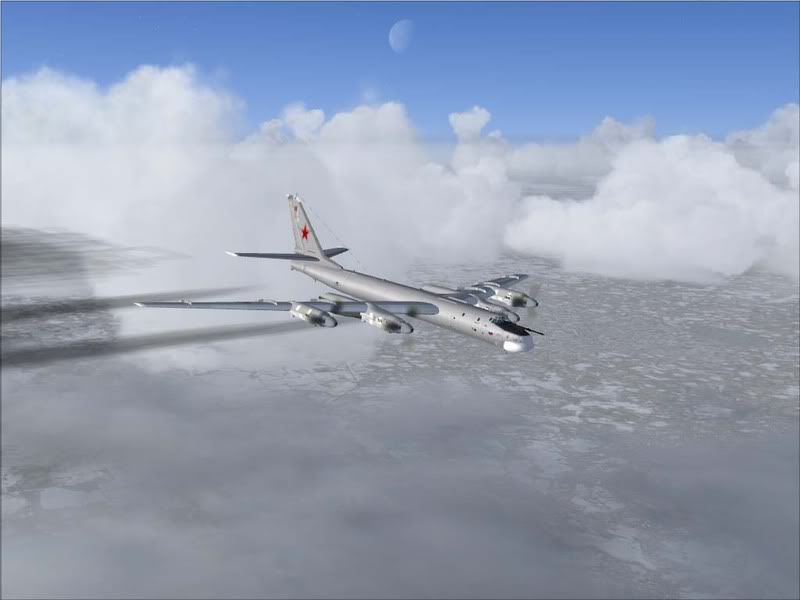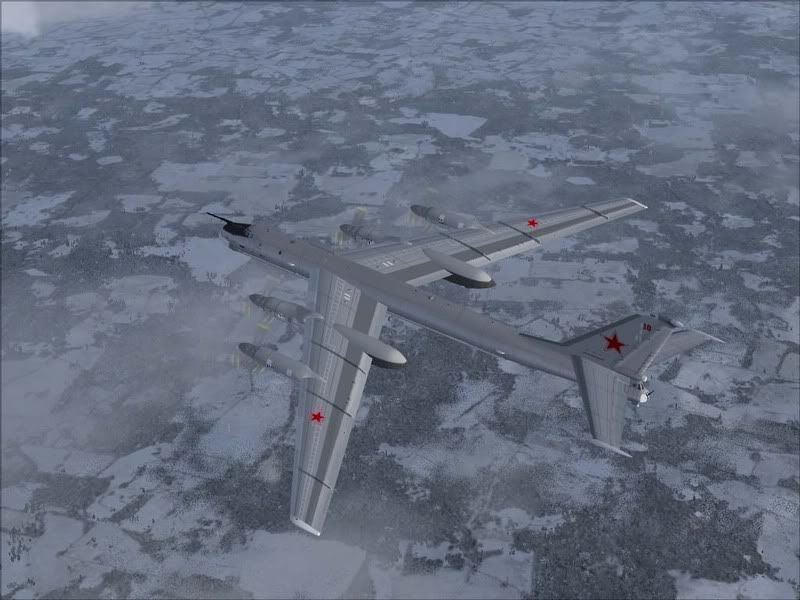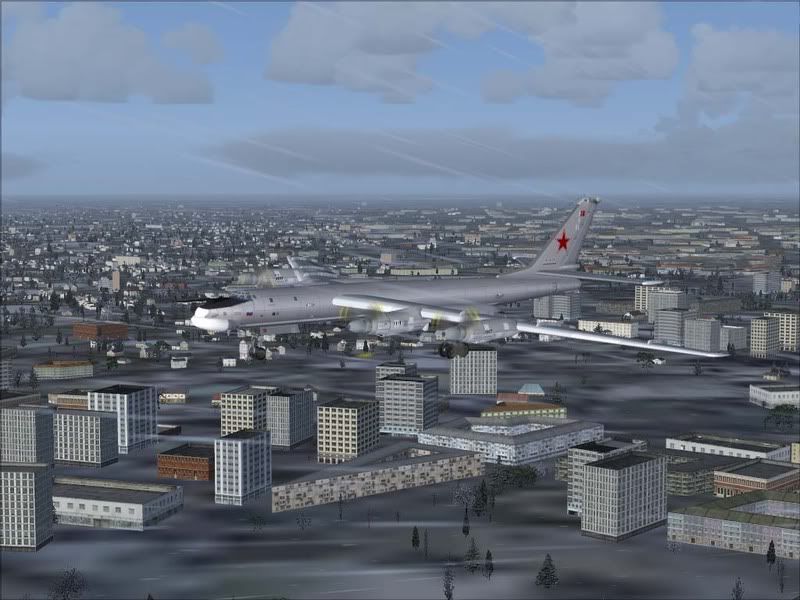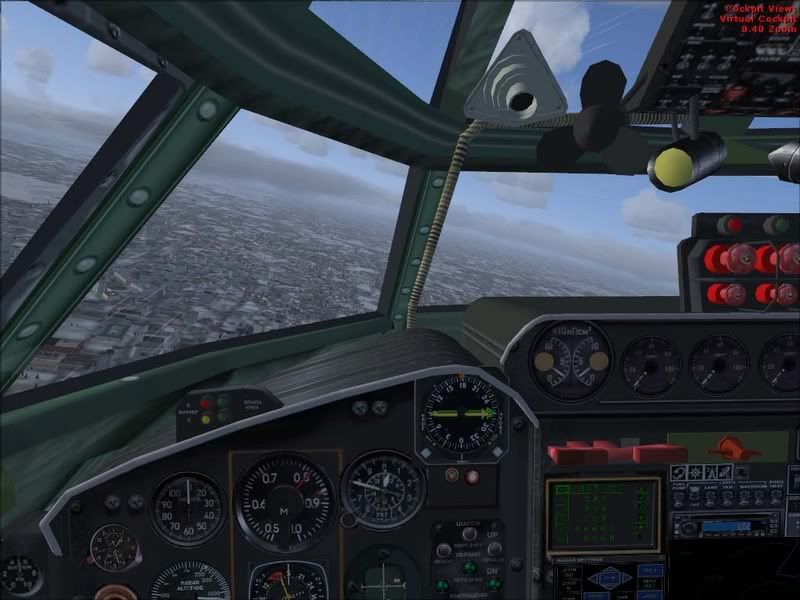
The Soviets are invading!

Post and comment on screen captures from the beautiful game here. Home of the monthly screenshot competition

Postby Ian Warren » Sun Feb 15, 2009 12:35 am

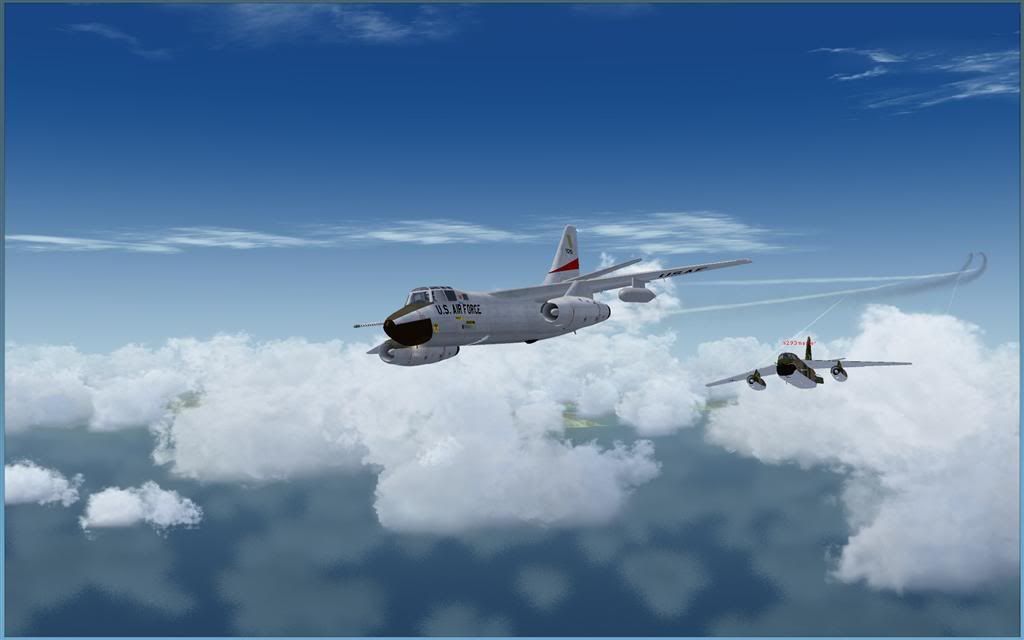
666 Douglas B-66 Destroyer ,

Time to turn and burn 1966 , ... lesser buckweed .. in for the speed
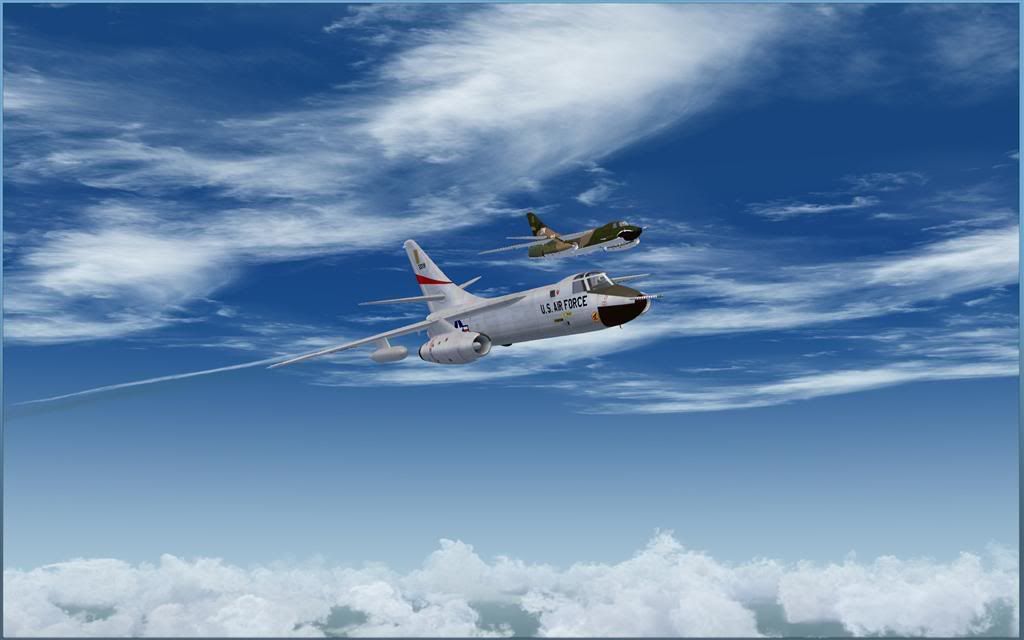
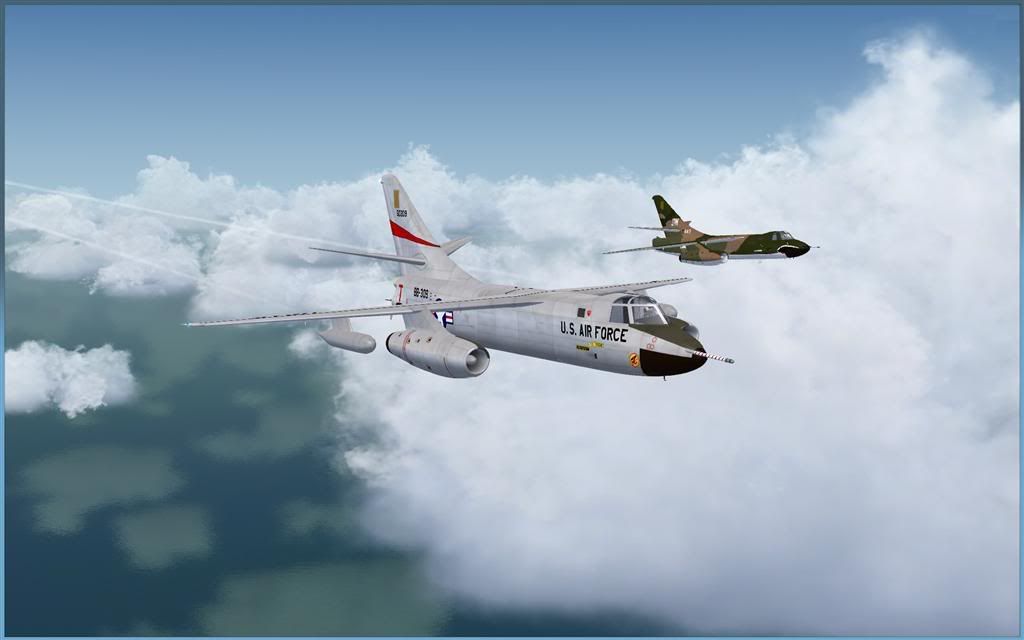
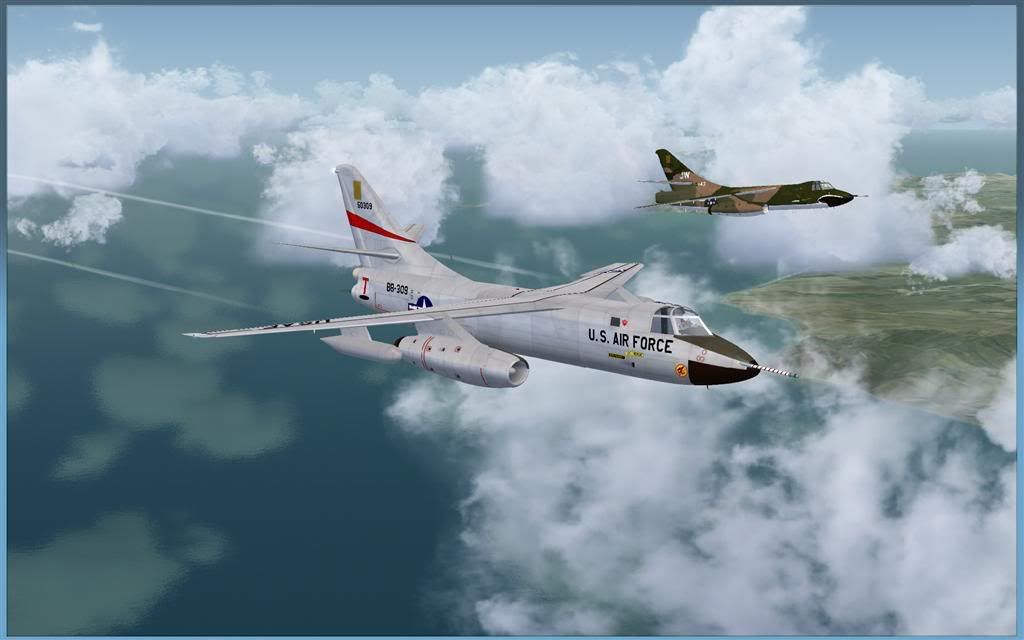
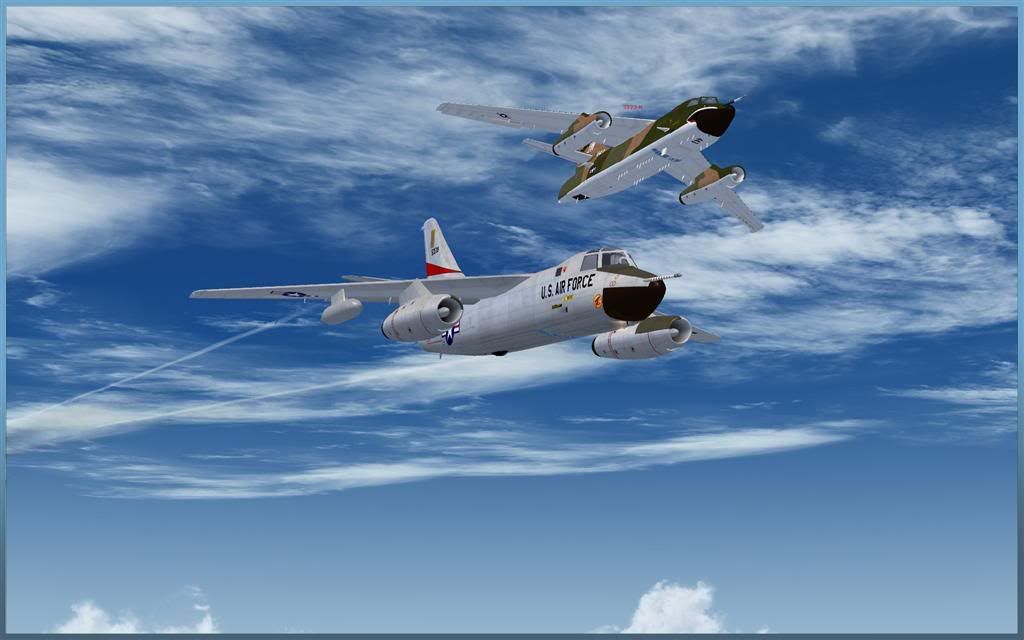
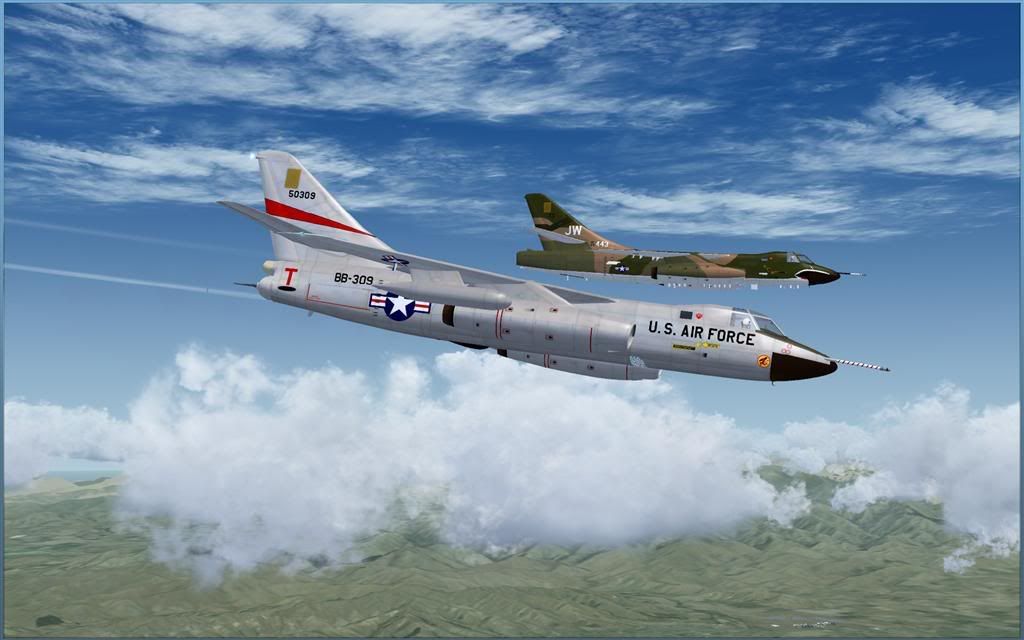


Vietnam in for cookies .... 666
plane.gif
Last edited by Ian Warren on Sun Feb 15, 2009 12:38 am, edited 1 time in total.
Image
User avatar
Ian Warren
NZFF Pro
 
Joined: Fri May 05, 2006 5:23 pm
Posts: 41187
Location: AREA 51

Postby h290master » Sun Feb 15, 2009 4:30 pm
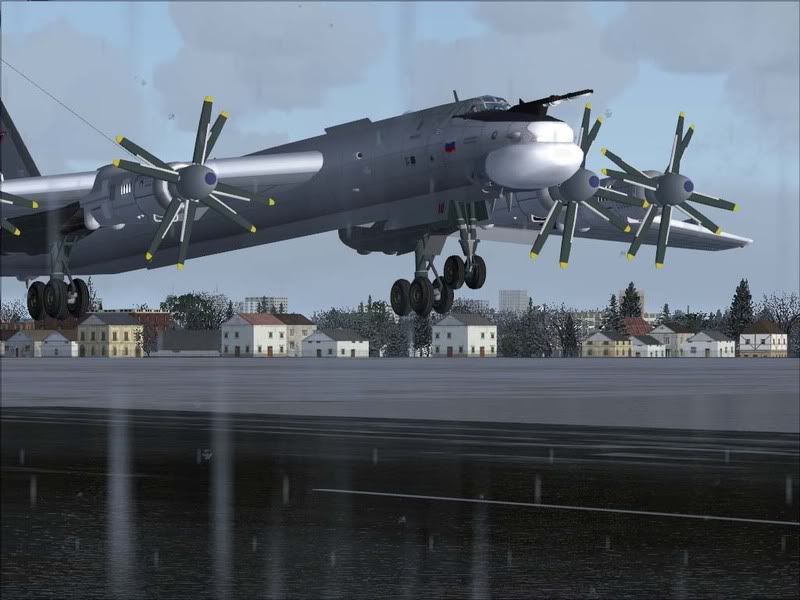
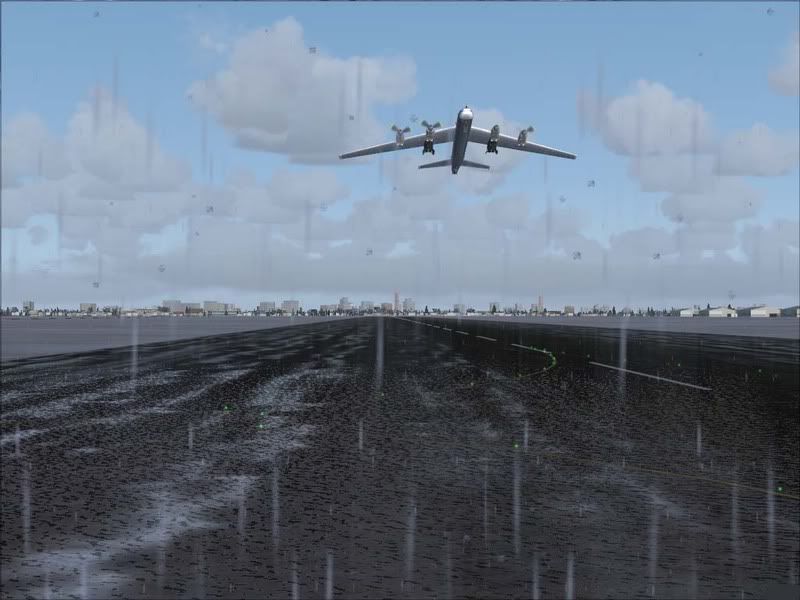
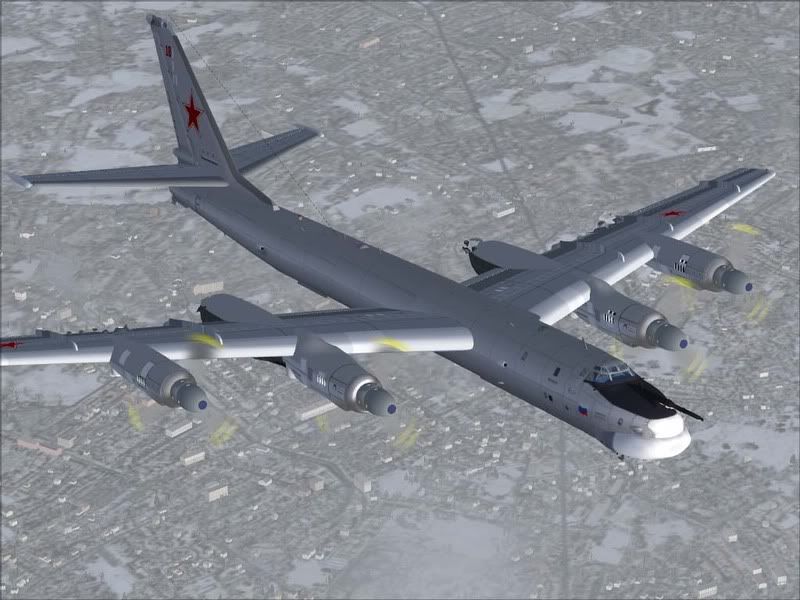
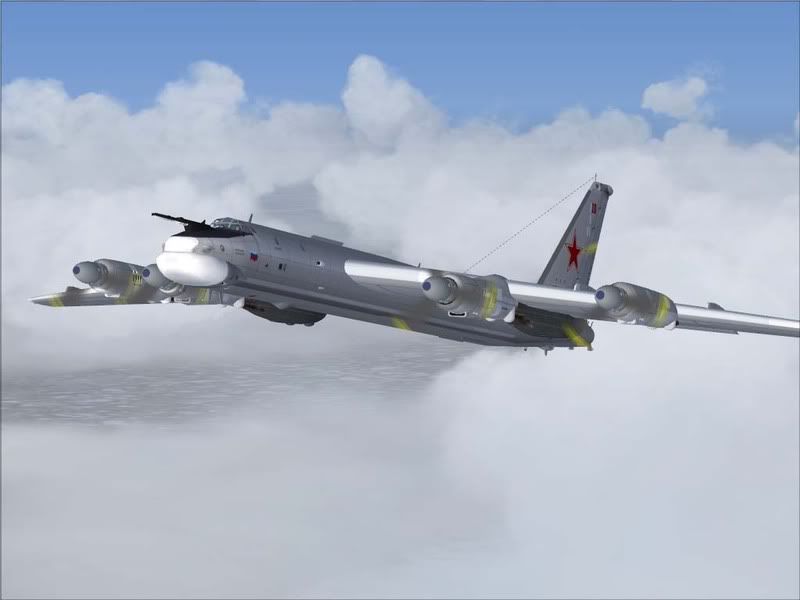
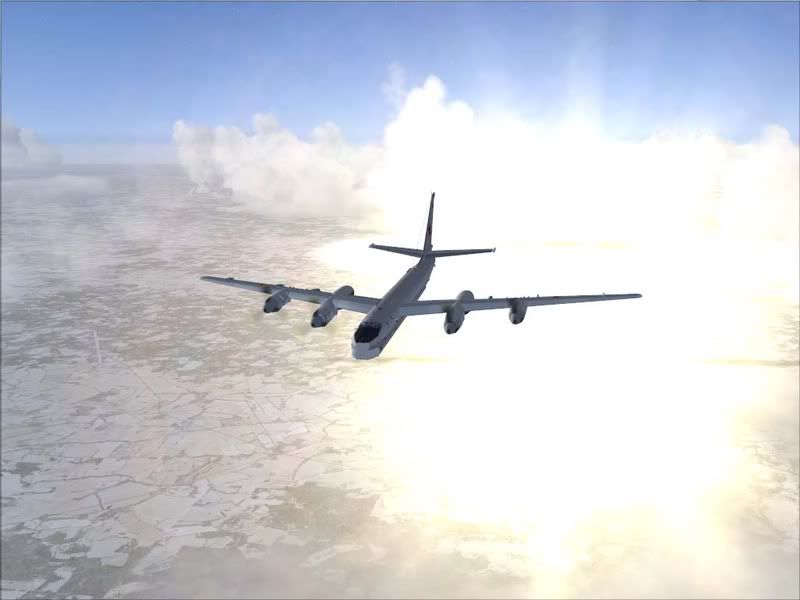
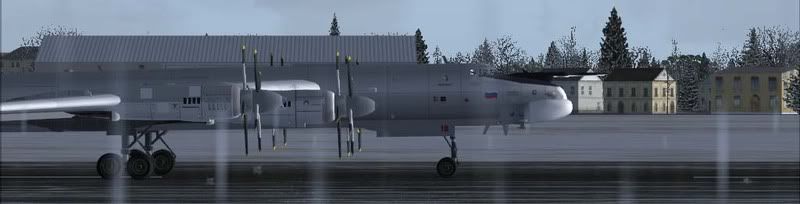
The Tupolev Tu-95 (Russian: Туполев Ту–95) is the most successful and longest-serving Tupolev strategic bomber and missile carrier built by the Soviet Union during the Cold War.

The Tu-95 is still in service, as of 2009, and is expected to remain in service with the Russian Air Force until at least 2040, much similar in lifespan to the B-52 plane.gif

To date, it remains the only turboprop-powered strategic bomber to have entered operational service. A naval development of the bomber is designated Tu-142.

Like its American counterpart, the B-52 Stratofortress, the Tu-95 has continued to operate in the Russian Air Force while several iterations of bomber design have come and gone. Part of the reason for this longevity was its suitability, like the B-52, for modification to different missions. Whereas the Tu-95 was originally intended to drop nuclear weapons, it was subsequently modified to perform a wide range of roles, such as the deployment of cruise missiles, maritime patrol (Tu-142), and even civilian airliner (Tu-114). An AWACS platform (Tu-126) was developed from the Tu-114. During and after the Cold War, the Tu-95's utility as a weapons platform has been eclipsed only by its usefulness as a diplomatic icon.

Initially the United States Department of Defense did not take the Tu-95 seriously, as estimates showed it had a maximum speed of 400 mph (644 km/h) with a range of 7,800 miles (12,500 km). These numbers had to be revised upward numerous times.

During interceptions Tu-95 tail gunners typically kept their twin cannon pointed upwards so as not to antagonize the intercepting fighters. Similarly, NATO rules of engagement for interceptions restricted aircrews from locking onto the Tu-95 with fire control radar lest this be misinterpreted as a hostile act.

All Tu-95s now in Russian service are the Tu-95MS variant, built in the 1980s and 1990s. On August 18, 2007, Russian President Vladimir Putin announced that Tu-95 patrols would resume after having been terminated 15 years prior.

In October 2008, during a Russian military exercise code-named Stability-2008, Tu-95MS aircraft fired live air launched cruise missiles (ALCM) for the first time since 1984. The long range of the Raduga Kh-55 ALCM means the Tu-95MS Bears have been transformed once again into a formidable strategic weapons system.

During the height of the Cold War, the long range of the Tu-95 was demonstrated weekly as a pair of Tu-95s would fly from the Kola peninsula to Cuba along the east coast of the United States, escorted continuously along the way

Concerning the performance of the aircraft, it has been reported by many fighter pilots that the Tu-95 was able to out-accelerate them for a short distance, especially with the SEPECAT Jaguar.

long live the tu-95 wub.gif
Image
Image
Image
Image
Image
Image
Image
Once you have tasted flight you will walk the earth with your eyes turned skywards for there you have been and there you will long to return....
-Leonardo DaVinci
h290master
Sim-holic
 
Joined: Mon Jan 22, 2007 6:47 am
Posts: 511
Location: NZAA

Postby h290master » Sun Feb 15, 2009 7:07 pm
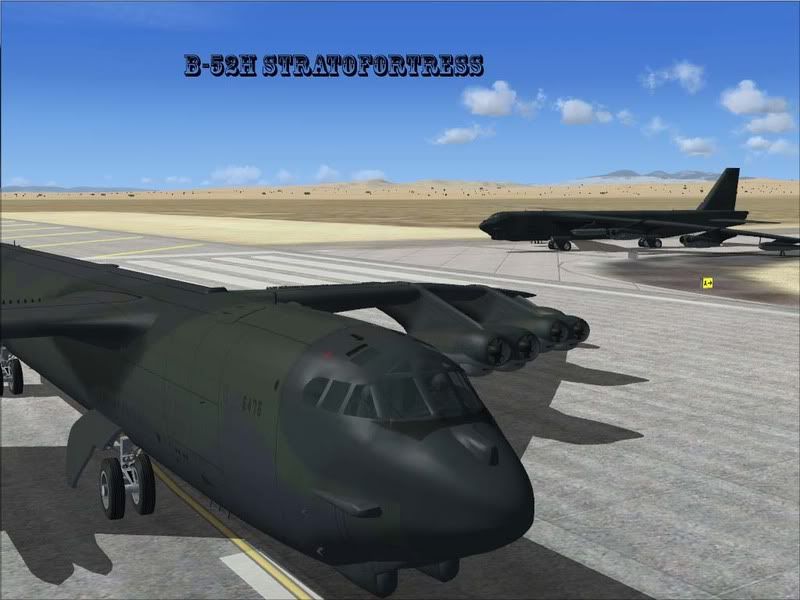
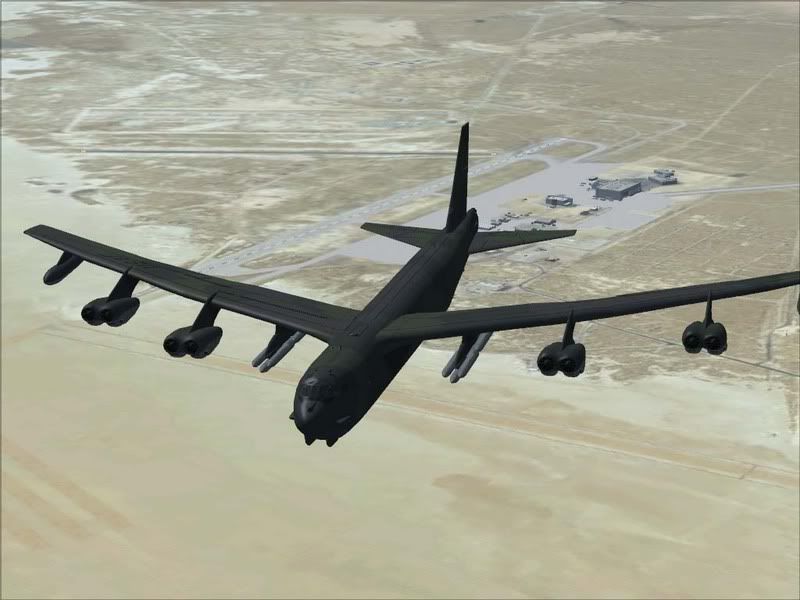
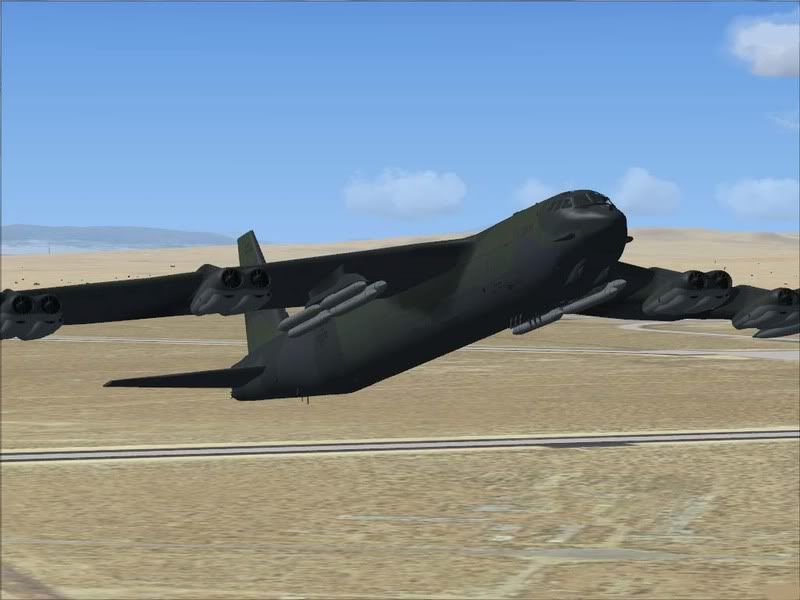
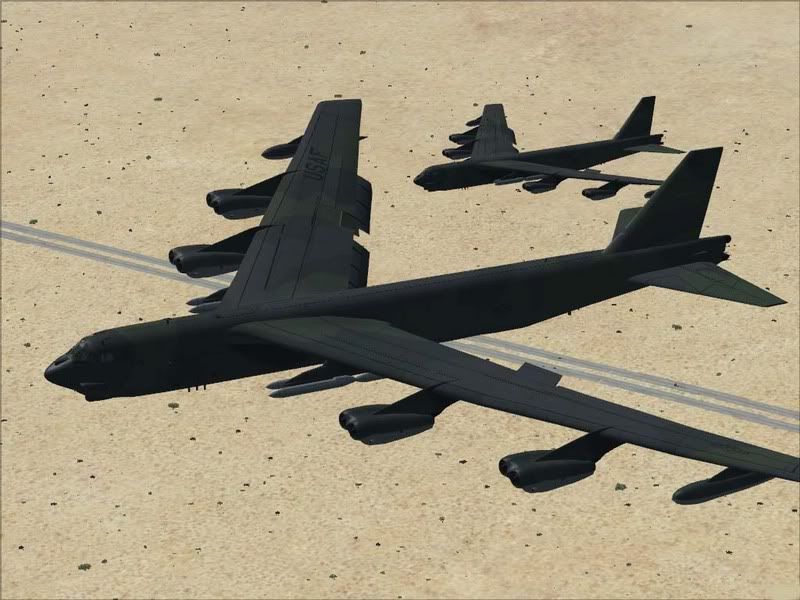
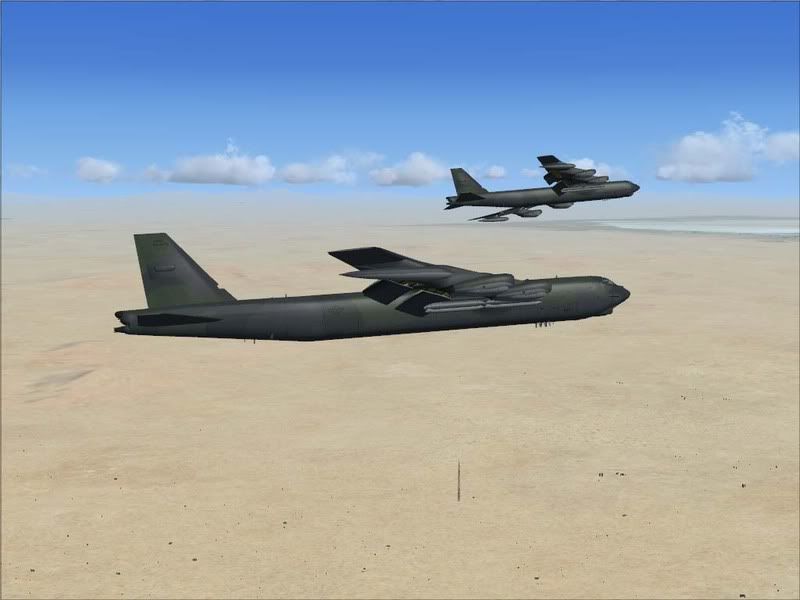
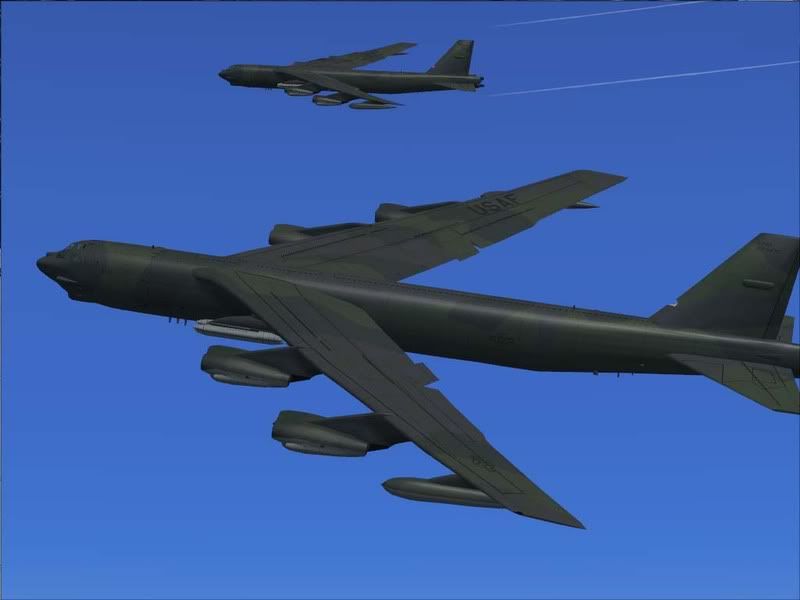
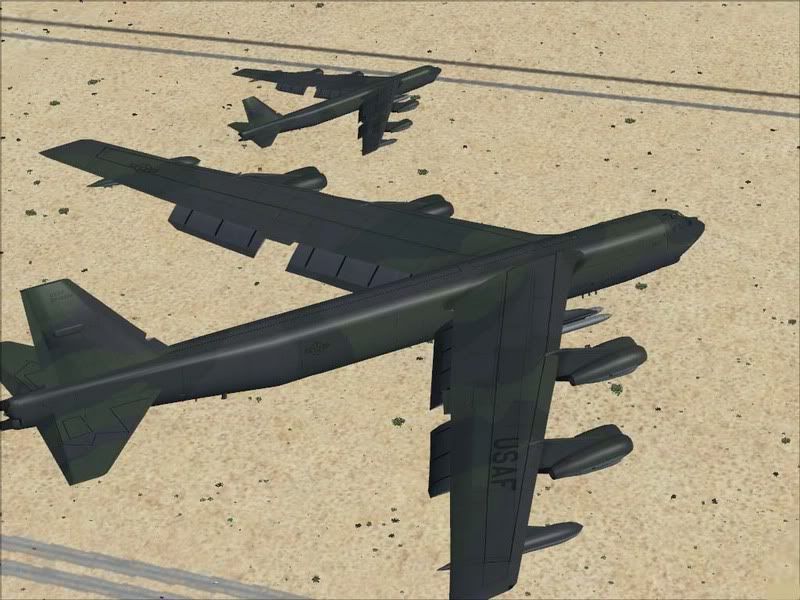
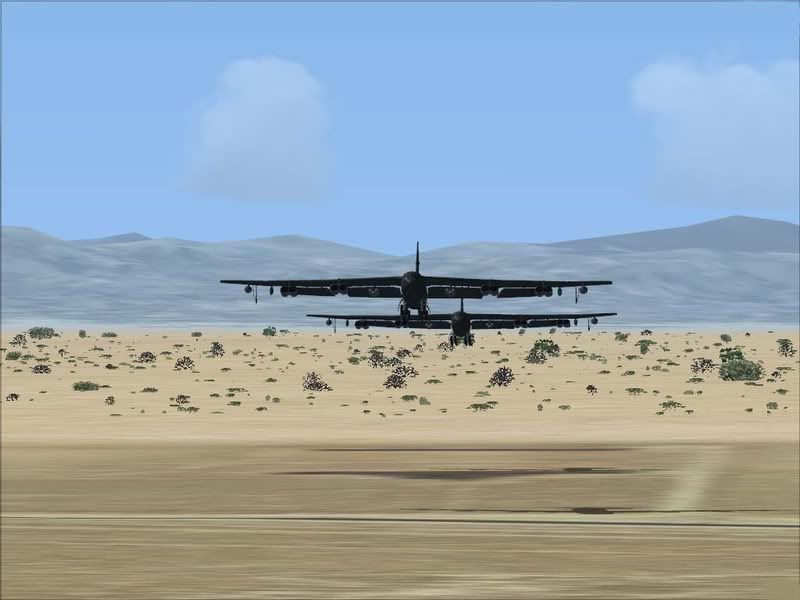
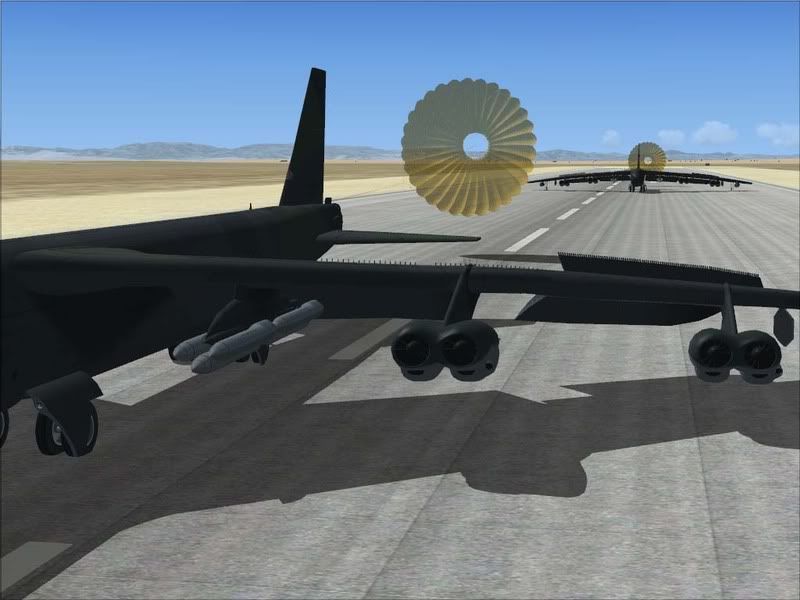
The Boeing B-52 Stratofortress is a long-range, subsonic, jet-powered, strategic bomber operated by the United States Air Force (USAF) since 1955.

Beginning with the successful contract bid on 5 June 1946, the B-52 went through several design steps; from a straight wing aircraft powered by six turboprop engines to the final prototype YB-52, with eight turbojet engines. The aircraft made its first flight on 15 April 1952 with "Tex" Johnston as pilot.

Built to carry nuclear weapons for Cold War-era deterrence missions, the B-52 Stratofortress replaced the Convair B-36. Although a veteran of a number of wars, the Stratofortress has dropped only conventional munitions in actual combat. With the longest unrefueled range of any contemporary bomber, the B-52 carries up to 70,000 pounds (32,000 kg) of weapons.

The Air Force intends to keep the B-52 in service until at least 2040, an unprecedented length of service for a military aircraft. B-52s are periodically refurbished at the USAF maintenance depots such as Tinker Air Force Base, Oklahoma.

The USAF continues to rely on the B-52 because it remains an effective and economical heavy bomber, particularly in the type of missions that have been conducted since the end of the Cold War, mainly against nations that have limited air defense capabilities. The B-52's capacity to "loiter" for extended periods over (or even well outside) the battlefield, while delivering precision standoff and direct fire munitions, has been a valuable asset in conflicts such as Operation Enduring Freedom in Afghanistan.

The speed and stealth of the B-1 Lancer and B-2 Spirit have only been useful until enemy air defenses were destroyed, a task that has been swiftly achieved in recent conflicts. The B-52 boasts the highest mission capable rate of the three types of heavy bombers operated by the USAF. Whereas the B-1 averages a 53% ready rate, and the B-2 achieved a 26%, the B-52 averages 80% as of 2001

In September 2006, the B-52 became one of the first US military aircraft to fly using 'alternative' fuel. Syntroleum Corporation, a leader in Fischer-Tropsch process (FT) technology, announced that its Ultra-Clean jet fuel had been successfully tested in a B-52.

On 15 December 2006, tail number 61-0034, Wise Guy took off from Edwards with the synthetic fuel blend powering all eight engines, the first time an Air Force aircraft was completely powered by the mixture. The test flight was captained by Major General Curtis Bedke, commander of the Edwards Flight Test Center, the first time in 36 years that the installation's commander performed a first flight in a flight test program. The flight lasted seven hours, reached an altitude of 48,000 feet, and was considered a success

On 2–3 September 1996, two B-52H struck Baghdad power stations and communications facilities with 13 AGM-86C air-launched cruise missiles (ALCM) as part of Operation Desert Strike, a 34-hour, 16,000 statute mile round trip mission from Andersen AFB, on Guam—the longest distance ever flown for a combat mission. Only two days prior, the crews had completed a 17-hour flight from Louisiana to Guam.

Flying approximately 1620 sorties in the Gulf War, B-52s delivered 40% of the weapons dropped by coalition forces, while suffering only one aircraft loss, with several receiving minor damage from enemy action.
Image
Image
Image
Image
Image
Image
Image
Once you have tasted flight you will walk the earth with your eyes turned skywards for there you have been and there you will long to return....
-Leonardo DaVinci
h290master
Sim-holic
 
Joined: Mon Jan 22, 2007 6:47 am
Posts: 511
Location: NZAA

Postby h290master » Sun Feb 15, 2009 8:53 pm
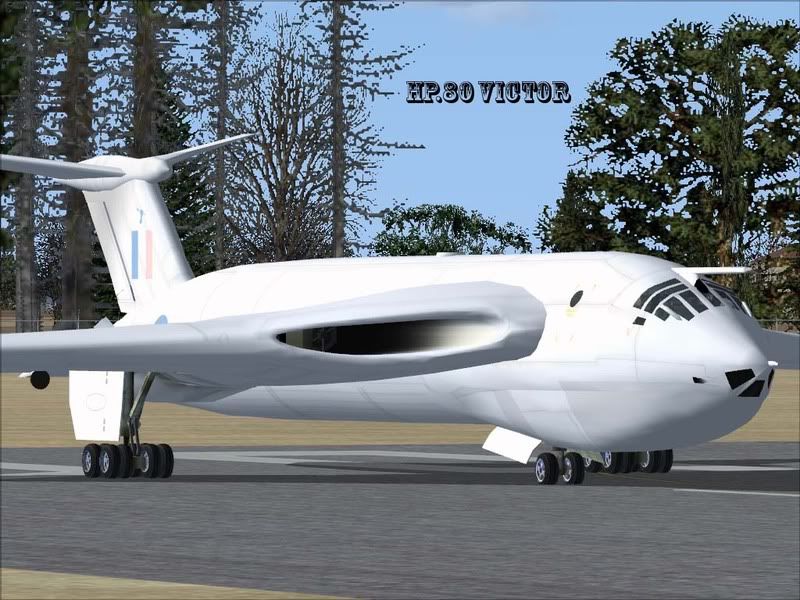
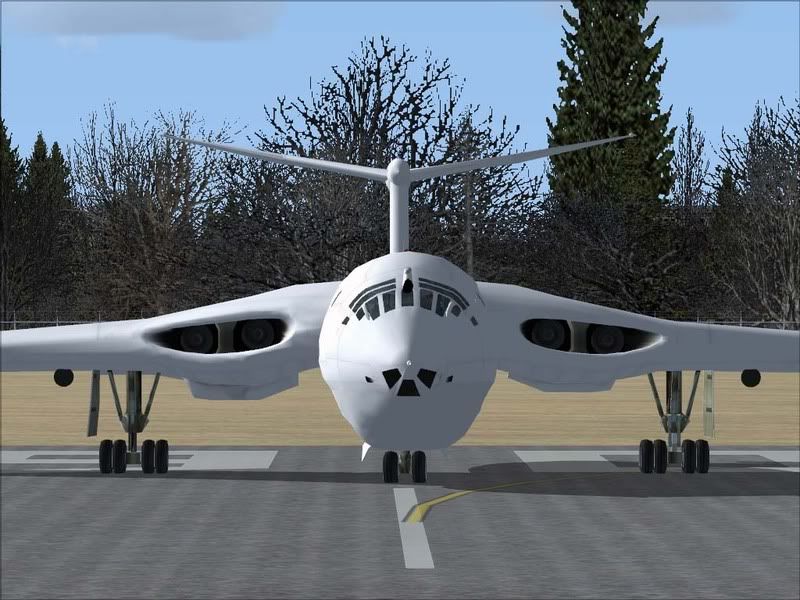
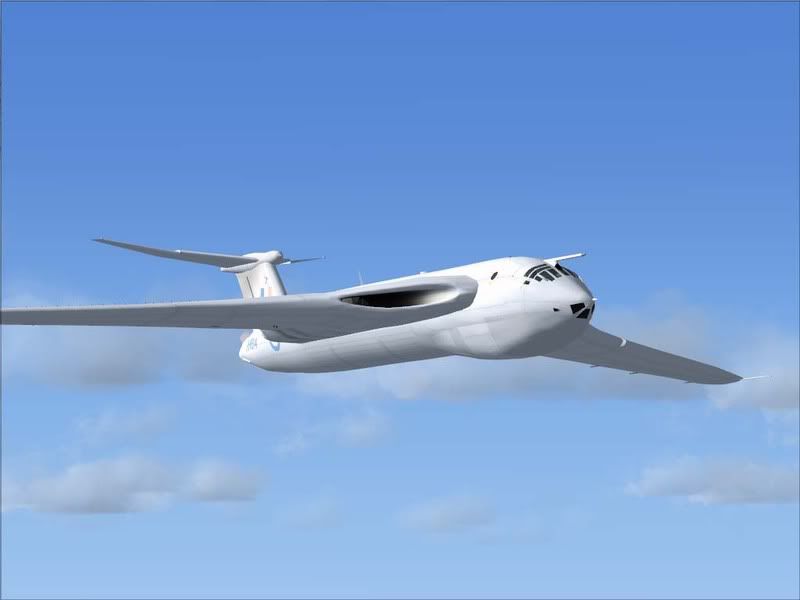
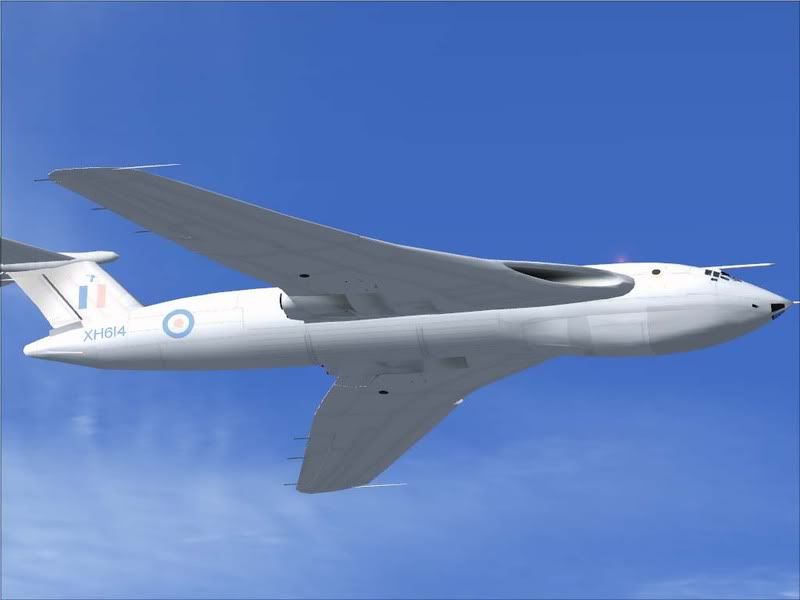
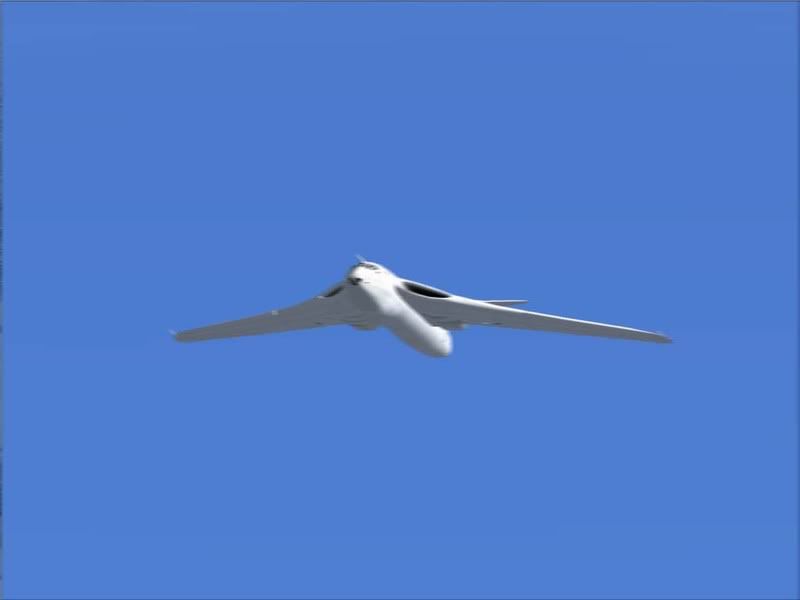
The Handley Page Victor was a British jet bomber aircraft produced by the Handley Page Aircraft Company. It was the third and final of the "V bombers" which provided Britain's nuclear deterrent.

Like the other V-bombers, the Victor was originally designed for high-altitude, high-speed penetration of Soviet airspace to deliver a free-fall nuclear weapon. It was intended to fly higher and faster than contemporary fighter aircraft.

The withdrawal of the Valiant fleet left the RAF with a shortfall in front-line tanker aircraft, so the B.1/1A aircraft, now judged to be obsolescent in the strike role, were re-fitted for this duty. Six B.1A aircraft received a two-point system with a hose and drogue system carried under each wing as B.1A (K2P). Fourteen further B.1A and eleven B.1 were given a more thorough conversion, receiving bomb-bay fuel tanks and a centreline dispenser unit as three-point tankers - the K.1A / K.1 respectively.

The remaining B.2 aircraft were not as suited to the low-level strike mission as the Vulcan with its enormously strong delta wing. This, combined with the switch of the nuclear deterrent from the RAF to the Royal Navy (with the Polaris missile) meant that the Victor was now surplus to requirements. Hence, 24 B.2 were modified to K.2 standard. Similar to the K.1/1A conversions, the wing was trimmed to reduce stress and had the nose glazing plated over. The K.2 could carry 91,000 pounds of fuel (41 metric tonnes). It served in the tanker role until withdrawn in October 1993.

Nine B.2 aircraft were converted for strategic reconnaissance purposes to replace Valiants withdrawn due to wing fatigue. They received cameras, a bomb-bay mounted radar mapping system and wing-top sniffers to detect particles released from nuclear testing.

Production B.1 Victors were powered by the Armstrong Siddeley Sapphire ASSa.7 turbojets rated at 11,000 lbf (49 kN) and carried the Yellow Sun weapon. Twenty-four were upgraded to B.1A standard by the addition of Red Steer tail-warning radar and a suite of radar warning receivers and electronic countermeasures (ECM).

On 1 June 1956 a production Victor XA917 flown by test pilot Johnny Allam inadvertently exceeded the speed of sound after Allam let the nose drop slightly at a high-power setting. Allam noticed a cockpit indication of Mach 1.1 and ground observers from Watford to Banbury reported hearing a sonic boom. The Victor was the largest aircraft to have broken the "sound barrier" at that time.

The Victor was the last of the V-bombers to enter service and the last to retire, nine years after the last Vulcan (although the Vulcan survived longer in its original role as a bomber). It saw service in the Falklands War and 1991 Gulf War as an in-flight refuelling tanker. During the Borneo conflict of 1962-66, two B.1A aircraft flew the Victor's only offensive mission.
Image
Image
Image
Image
Image
Image
Image
Once you have tasted flight you will walk the earth with your eyes turned skywards for there you have been and there you will long to return....
-Leonardo DaVinci
h290master
Sim-holic
 
Joined: Mon Jan 22, 2007 6:47 am
Posts: 511
Location: NZAA

Postby Ian Warren » Sun Feb 15, 2009 9:19 pm

3 Major powers , all started with U , UK - USSR - USA , U can all fly em , great series of screens Hayden smile.gif
Image
User avatar
Ian Warren
NZFF Pro
 
Joined: Fri May 05, 2006 5:23 pm
Posts: 41187
Location: AREA 51

Postby h290master » Sun Feb 15, 2009 10:27 pm
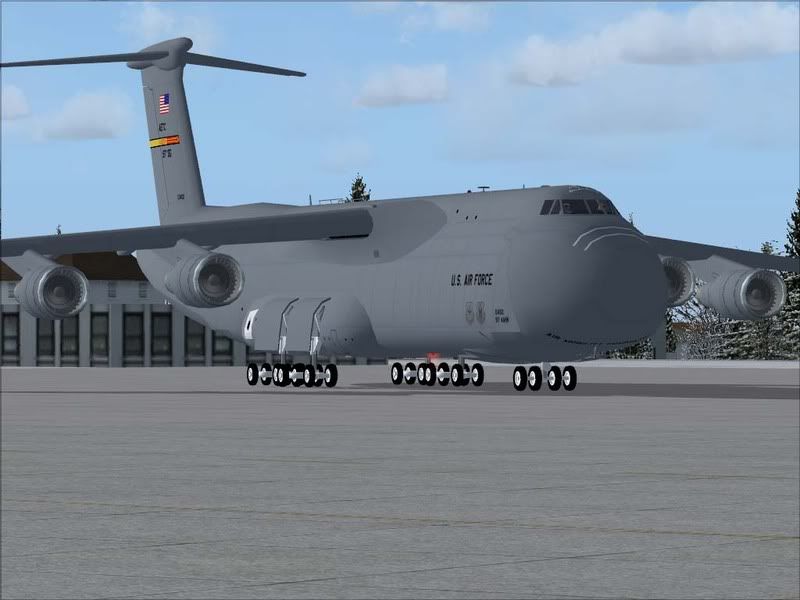
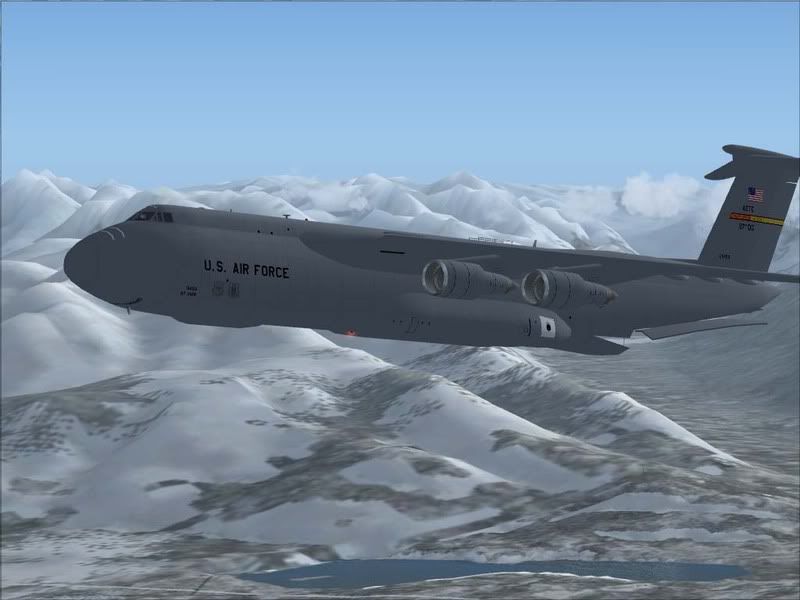
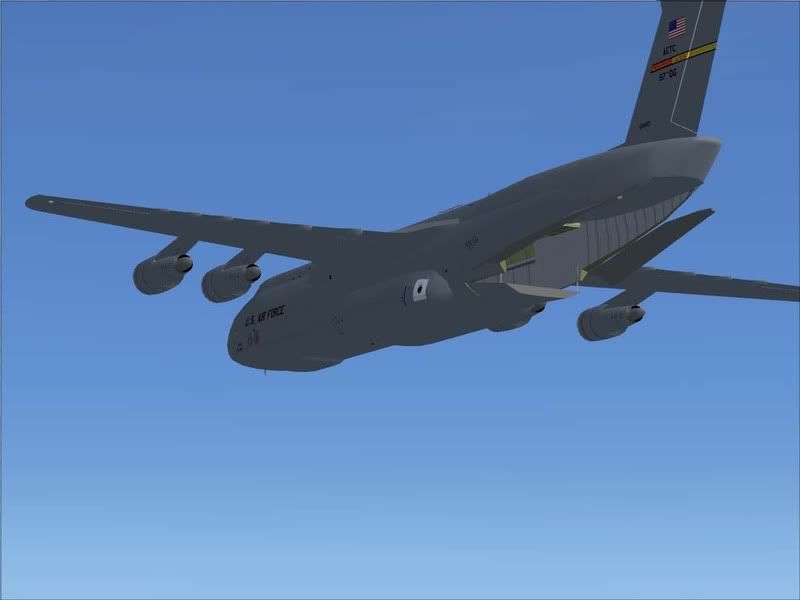
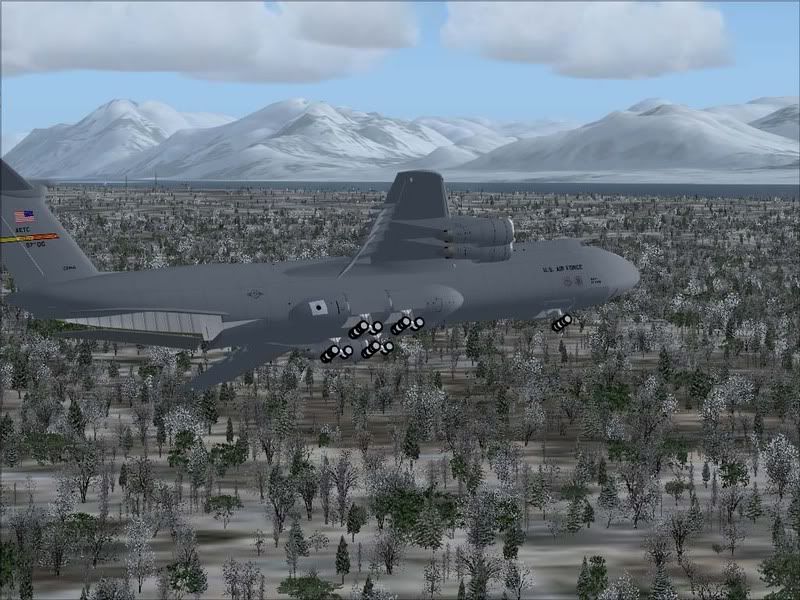
Cant remember whether you did a C-5 Galaxy but may as well add some c5 screens and info/history.
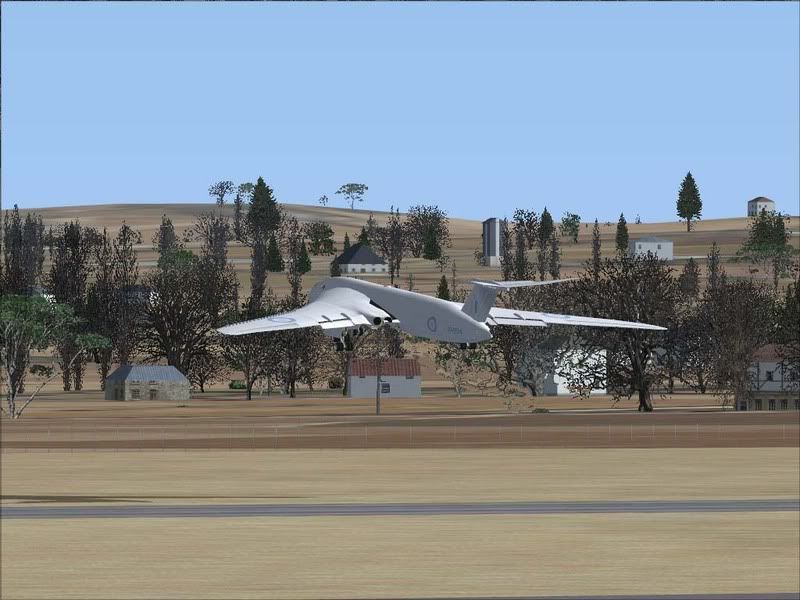
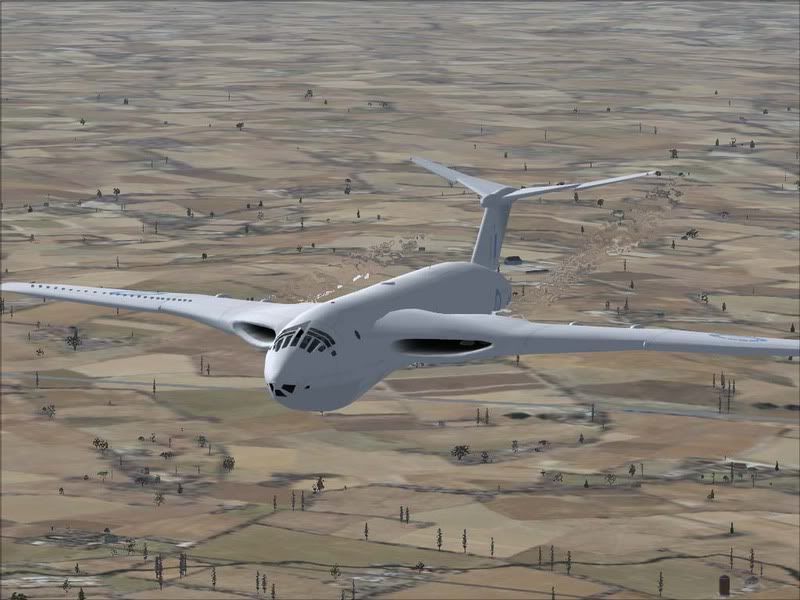
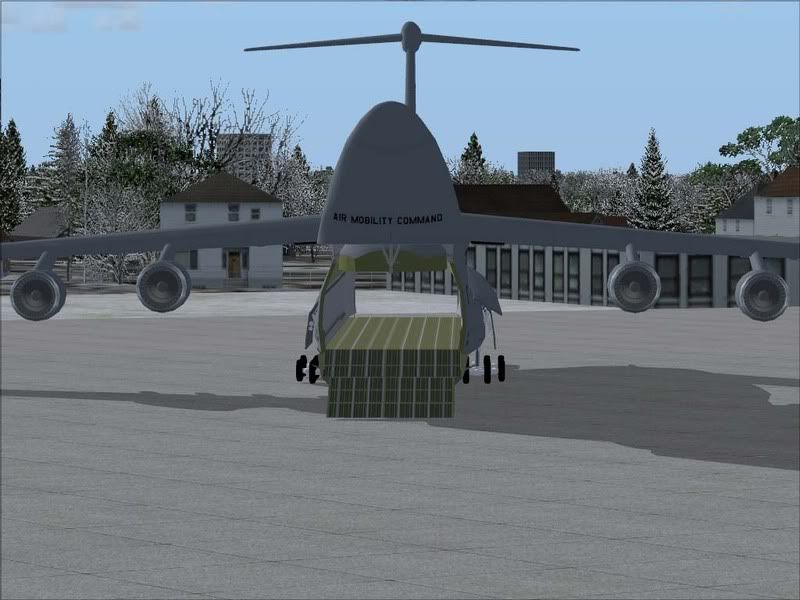
The Lockheed C-5 Galaxy is a large, military transport aircraft built by Lockheed. It was designed to provide strategic heavy airlift over intercontinental distances and to carry outsize and oversize cargo. The C-5 Galaxy has been operated by the United States Air Force since 1969 and is one of the largest military aircraft in the world.

The first C-5A Galaxy (number 66-8303) was rolled out of the manufacturing plant in Marietta, Georgia on March 2, 1968. On June 30, 1968 Lockheed-Georgia Co. began flight testing its new Galaxy C-5A heavy transport with the aircraft's first flight taking to the air under the call-sign "eight-three-oh-three heavy" (8303H).

The first C-5A was delivered to the USAF on 17 December 1969. Wings were built up in the early 1970s at Altus AFB, OK; Charleston AFB, Dover AFB, DE; and Travis AFB, CA. July 9, 1970 marked the C-5's first mission in Southeast Asia during the Vietnam War. Through the rest of the war, C-5s were used to transport equipment and troops. Equipment included Army tanks, and various aircraft. C-5s also delivered weapons and supplies to Israel as part of Operation Nickel Grass in 1973.

Fourteen C-5As have been retired as of 2005. Aircraft number 69-0004 was the first, sent to the Warner Robins Air Logistics Center (WR-ALC) for tear down and inspection. Data from inspection will be used to evaluate structural integrity and estimate remaining fleet lifespan. Thirteen C-5As were sent to the Air Force's Aerospace Maintenance and Regeneration Group (AMARG) for inspection. At AMARG, 66-8306 underwent tear down and inspection similar to 69-0004 at WR-ALC. The remaining 12 will eventually be reclaimed as destructive inspection is performed on the airframes to test for corrosion and fatigue.
Sources have cited that the Air Force might be looking to replace some of these aircraft and have expressed interest in a military version of the new Airbus A380.

Based on a recent study showing 80% of the C-5 airframe service life remaining, AMC began an aggressive program to modernize all remaining C-5Bs and C-5Cs and many of the C-5As. The C-5 Avionics Modernization Program (AMP) began in 1998 and includes upgrading avionics to Global Air Traffic Management compliance, improving communications, new flat panel displays, improving navigation and safety equipment, and installing a new autopilot system. The first flight of the first modified C-5 with AMP(85-0004) occurred on December 21, 2002.

The C-5 AMP and RERP modernization programs plan to raise mission-capable rate to a minimum goal of 75%. Over the next 40 years, the U.S. Air Force estimates the C-5M will save over US$20 billion. The first of 111 planned C-5M conversions was completed on May 16, 2006, and performed its first flight on June 19, 2006.
C-5Ms have been in flight testing out of Dobbins Air Reserve Base since June 2006. Two of the three (86-0013 and 86-0025) aircraft may be identified by the distinctive colored nose boom used to acquire test data. As of February 2008, the USAF will convert all remaining C-5Bs and C-5Cs into C-5M with avionics upgrades and re-engining. The C-5As will receive only the avionics upgrades. The three test C-5Ms successfully completed developmental flight testing in August 2008. The test aircraft will begin Operational Test and Evaluation in the third quarter of 2009.
Image
Image
Image
Image
Image
Image
Image
Once you have tasted flight you will walk the earth with your eyes turned skywards for there you have been and there you will long to return....
-Leonardo DaVinci
h290master
Sim-holic
 
Joined: Mon Jan 22, 2007 6:47 am
Posts: 511
Location: NZAA

Postby Ian Warren » Sun Feb 15, 2009 11:35 pm

Good to see the this plane get a life extension , if you ever get a chance to walk around , like crawl in underneath into the main gear bays , you will be impressed thumbup1.gif
Image
User avatar
Ian Warren
NZFF Pro
 
Joined: Fri May 05, 2006 5:23 pm
Posts: 41187
Location: AREA 51

Postby hasegawa » Sun Mar 01, 2009 9:26 am

Another day... today civilian. here we see the workhouse of the Aeroflot for short distances... the Tupolev Tu 134A


Today no more then 250 of are in use. The time for them is over.
User avatar
hasegawa
Senior Member
 
Joined: Sun Oct 14, 2007 11:00 pm
Posts: 1836
Location: Potsdam, Germany and Riga, Latvia

Postby Ian Warren » Sun Mar 01, 2009 11:28 am

hasegawa wrote:
QUOTE (hasegawa @ Mar 1 2009, 10:26 AM) <{POST_SNAPBACK}>
today civilian. here we see the workhouse of the Aeroflot for short distances... the Tupolev Tu 134A

It would be interesting to log and see how many Tu134s were used for secret intelligence flights and aerial espionage .
Image
User avatar
Ian Warren
NZFF Pro
 
Joined: Fri May 05, 2006 5:23 pm
Posts: 41187
Location: AREA 51

Postby hasegawa » Mon Mar 02, 2009 11:51 pm

In soviet times most of the Airliners are reserve fleet for the soviet Air Force. Many of the civilian Aircraft wearing in this time the Sirena 3 warning system. You can see it on the antennas in the Bug-section. Well what you tell about espionage is a little bit influenced by the cold war thinking. Yes, both sides have done so. But it was not the regular task of the Aeroflot or Pan Am I think. The Tu 134 was mainly the first Jet, that you can find in every Airline of the Warshaw-Pact-Countries. This was not the case with the Tu 104 and the Tu 124...

In the era of Mr. Bush jun. was some rumor about CIA-Flights with Grumman Gulfstream and Learjet over Europe doing suspicious things... .
Last edited by hasegawa on Mon Mar 02, 2009 11:58 pm, edited 1 time in total.
User avatar
hasegawa
Senior Member
 
Joined: Sun Oct 14, 2007 11:00 pm
Posts: 1836
Location: Potsdam, Germany and Riga, Latvia

Postby hasegawa » Sat Nov 21, 2009 5:06 am

Nothing... time to do something against it...

DeHavilland "Vampire", one of the most widerly used aircraft of british design, from the late 40´s. The project became reality during WWII, but it came a little bit to late... but it was oned of the first Jet-Fighters in the cold war, used in many countrys from Belgium to Switzerland... Has the RNZAF used this type also?


User avatar
hasegawa
Senior Member
 
Joined: Sun Oct 14, 2007 11:00 pm
Posts: 1836
Location: Potsdam, Germany and Riga, Latvia

Postby Timmo » Sat Nov 21, 2009 6:34 am

We sure did! They were our first jet fighter.....
Timmo
NZFF Pro
 
Joined: Wed Oct 25, 2006 6:28 pm
Posts: 2056
Location: Tauranga

Postby hasegawa » Sat Nov 21, 2009 6:59 am

O.k. How I can find material about the correct painting and stenceling of these aircraft? The Vampire seen here is under development with SD Design, Igor Suprunov, known for the Yak 40 for FS ACOF. This is his first aircraft for FS X. At the moment there is no RNZAF-Repaint avialable. Which Mark was used in the RNZAF? Maybe he or another guy can do something...
At the moment this aircraft is not bad. But something must be done. One of the new features is, that it has droppable Tanks. But... it has no VC at the moment. This is the way from 1.5-Version (now) to 2.0 Version.
Last edited by hasegawa on Sat Nov 21, 2009 7:02 am, edited 1 time in total.
User avatar
hasegawa
Senior Member
 
Joined: Sun Oct 14, 2007 11:00 pm
Posts: 1836
Location: Potsdam, Germany and Riga, Latvia

Postby Ian Warren » Sat Nov 21, 2009 12:06 pm

Hello Hasegawa smile.gif Long time no see . I am prity sure i do have the RNZAF paint plans , i also have recent photos albeit most being the two seater and some of the single ... that one was hanging from the roof at the Wigram Air Force World Museum were as that two seater i practically climbed all over it . I also do have this brilliant Vampire cool.gif
Image
User avatar
Ian Warren
NZFF Pro
 
Joined: Fri May 05, 2006 5:23 pm
Posts: 41187
Location: AREA 51

Postby Alfashark » Thu Dec 03, 2009 7:21 pm

Better keep this alive! We've barely scratched the surface wink.gif

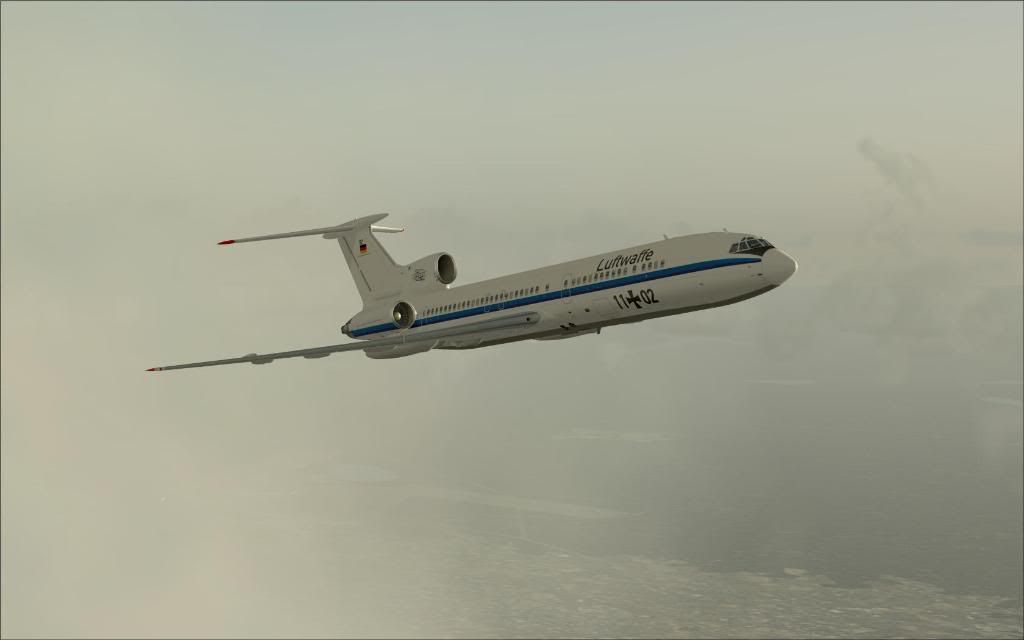
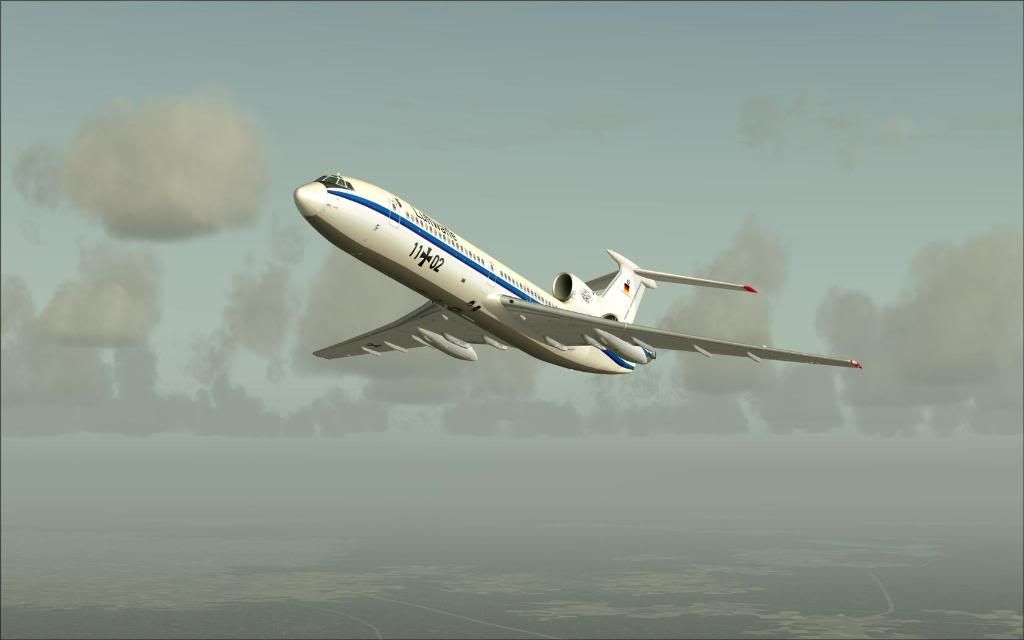
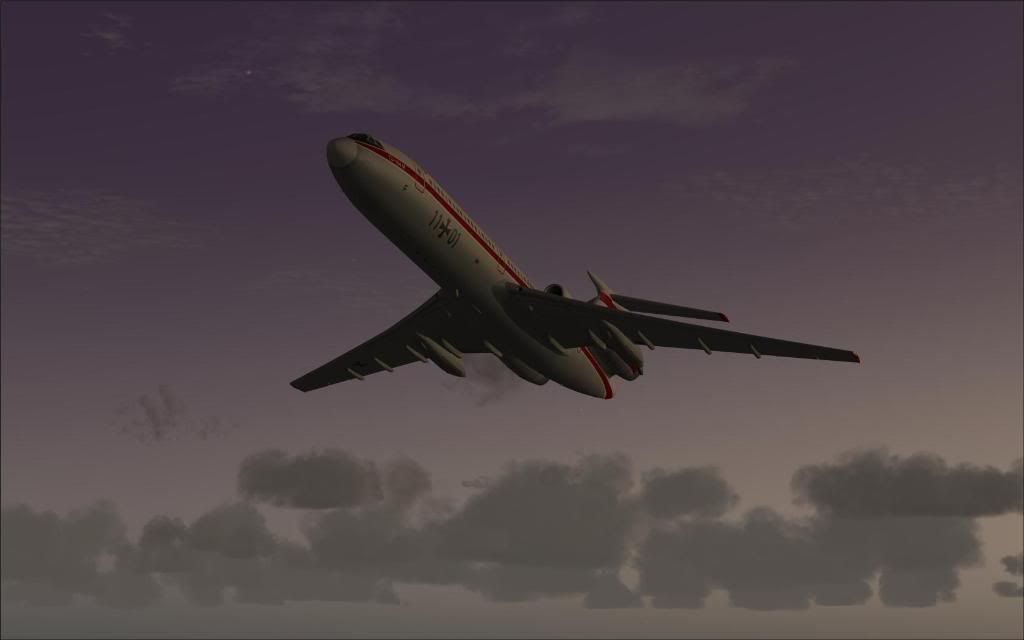
Flicking back to an earlier post in here, the Tupolev Tu-154... Normally seen in civil colours, plying the passenger routes of the USSR. However, the East German Airforce (the Luftstreitkräfte) used the Tu-154 as a VIP transport.
After the reunfication of East and West in 1990, the Luftwaffe inherited two of these and were put into service as 11-01 and 11-02


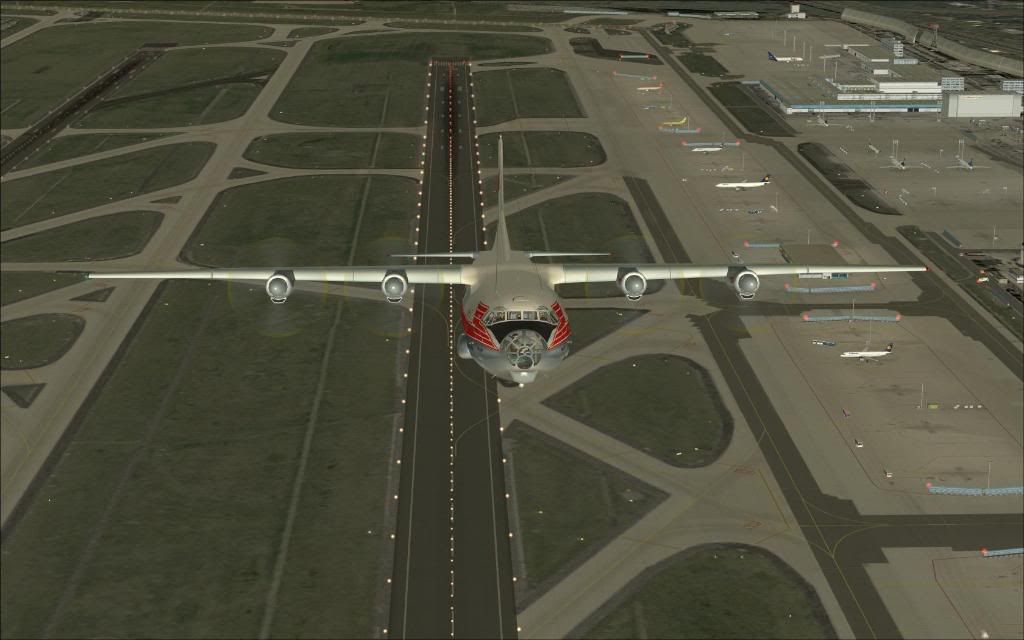
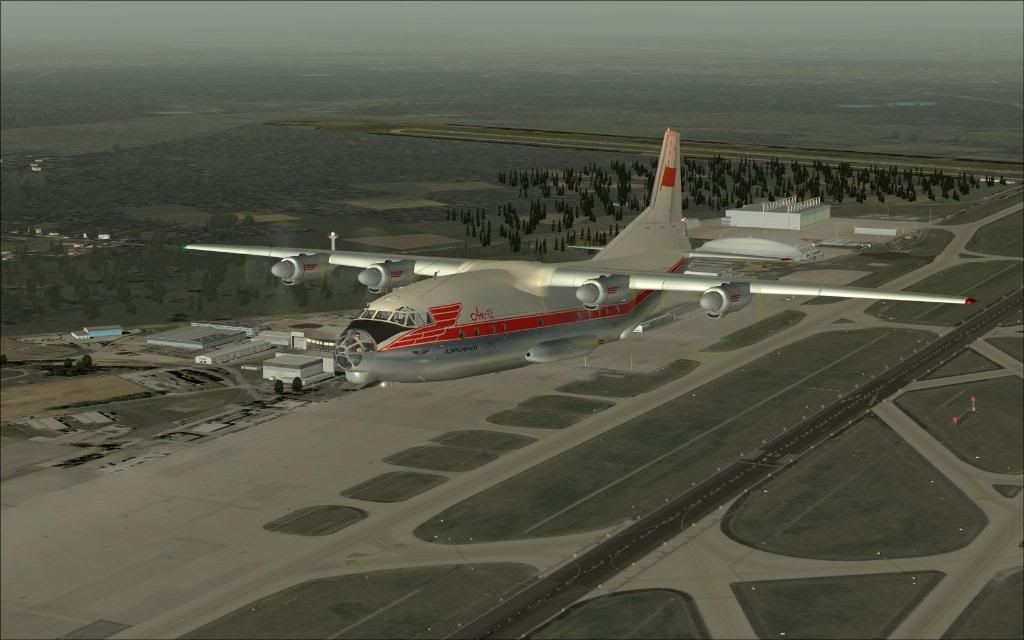
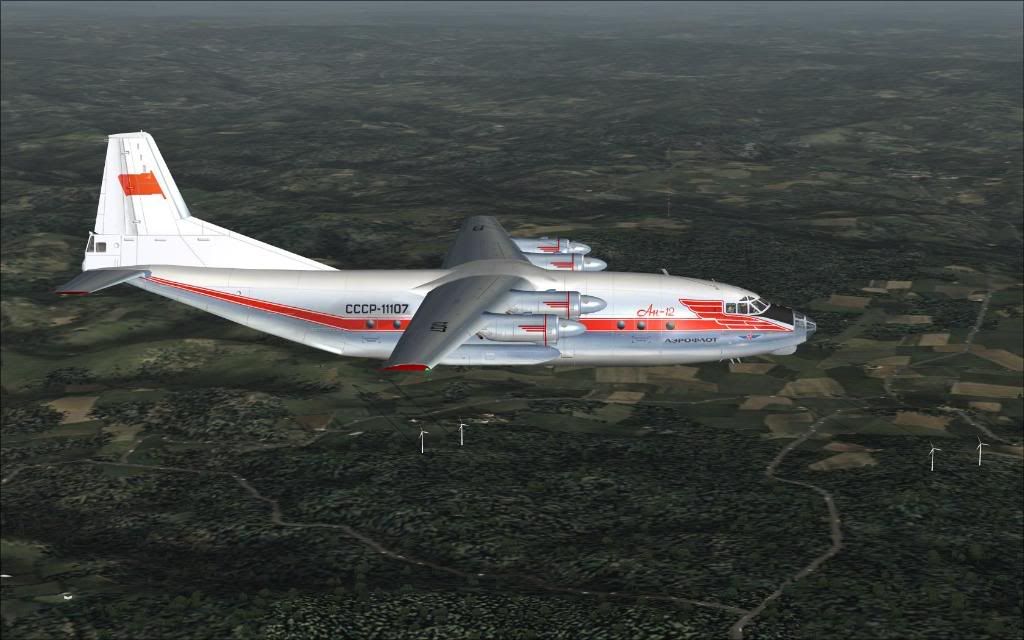
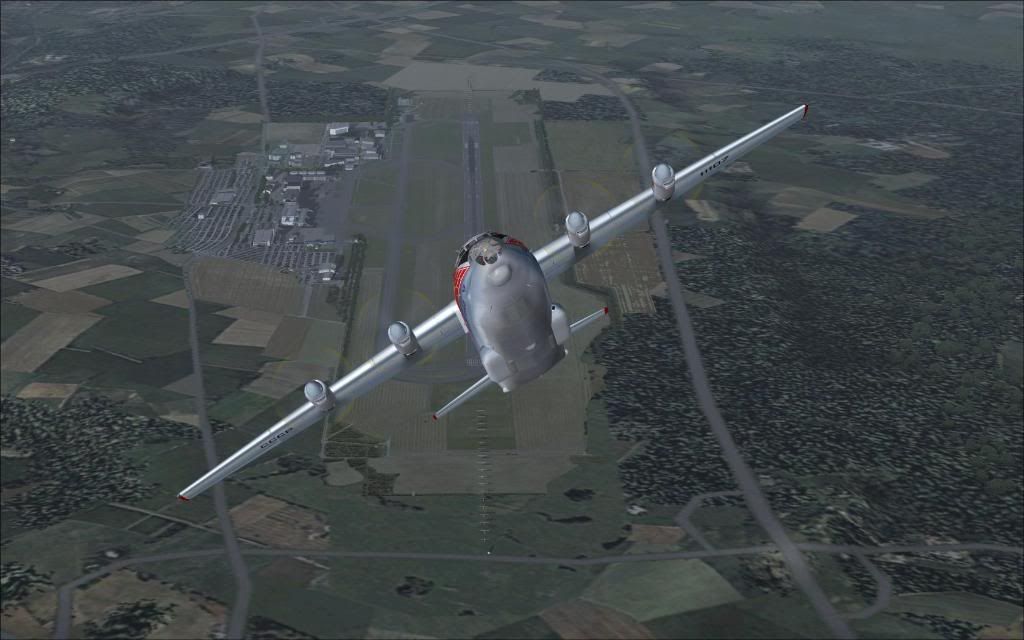
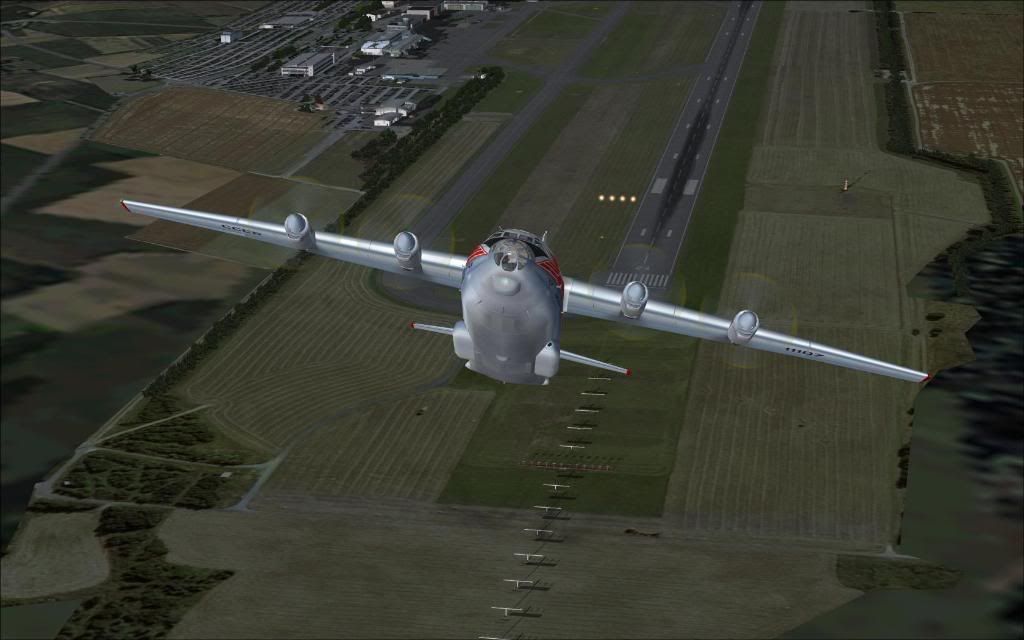
And for something completely different, the Antonov An-12 "Cub" - Roughly equal to the C-130 in size and overall configuration, plenty still see active service today with the many cargo operations that started following the collapse of the USSR and the sudden surplus of these rugged machines


ImageImage
User avatar
Alfashark
Sim-holic
 
Joined: Wed Jul 25, 2007 7:45 pm
Posts: 549
Location: Putaruru

Postby Ian Warren » Thu Dec 03, 2009 8:10 pm

The Tupolev , always had a thing for them , but the Antonov An-12 "Cub" .... my favourite would have to be the An-22"NATO_COCK or "Antei-(Antheus)" it is just one amazing type , i saw my first one , heck maybe 1967 .. in a magazine , Great screens Steve cool.gif

Edit :boy , ... almost the cold war started again after writing #### ...
Last edited by Ian Warren on Thu Dec 03, 2009 8:17 pm, edited 1 time in total.
Image
User avatar
Ian Warren
NZFF Pro
 
Joined: Fri May 05, 2006 5:23 pm
Posts: 41187
Location: AREA 51

Postby Alfashark » Thu Dec 03, 2009 8:14 pm

Cheers Ian smile.gif

I see the forum censor wont let a legitimate NATO codename slip through censored2.gif
ImageImage
User avatar
Alfashark
Sim-holic
 
Joined: Wed Jul 25, 2007 7:45 pm
Posts: 549
Location: Putaruru

Postby Alfashark » Fri Dec 11, 2009 9:12 pm

Onwards and upwards... Or should that be backwards? ninja.gif

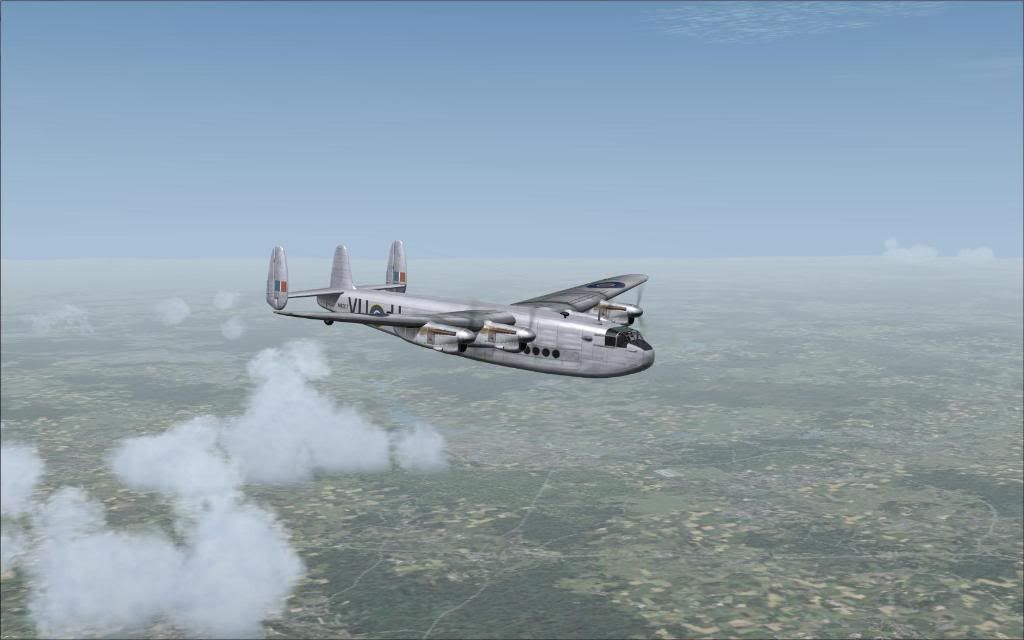
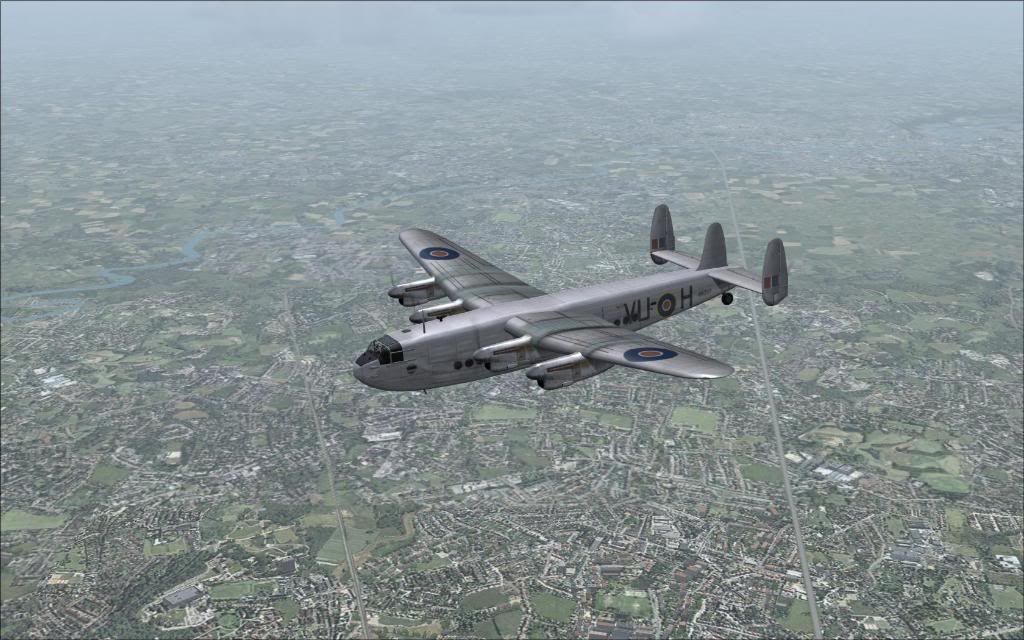
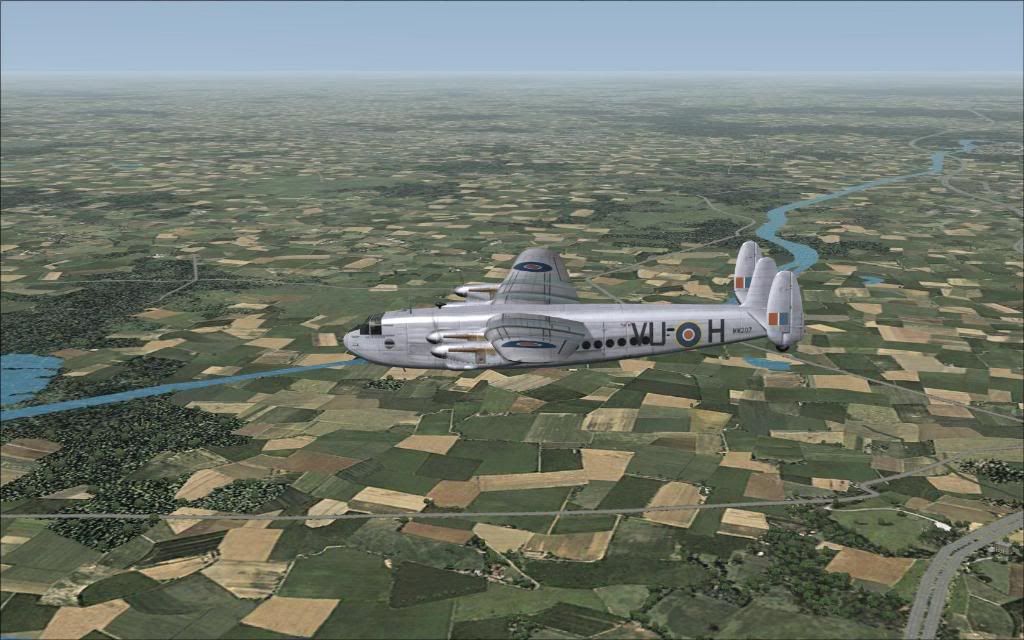
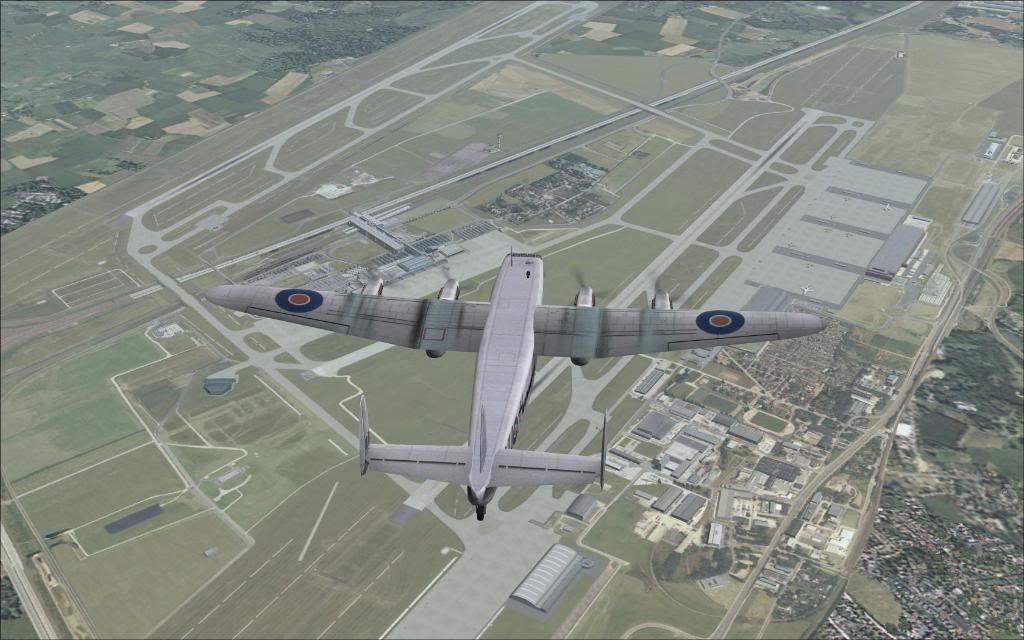
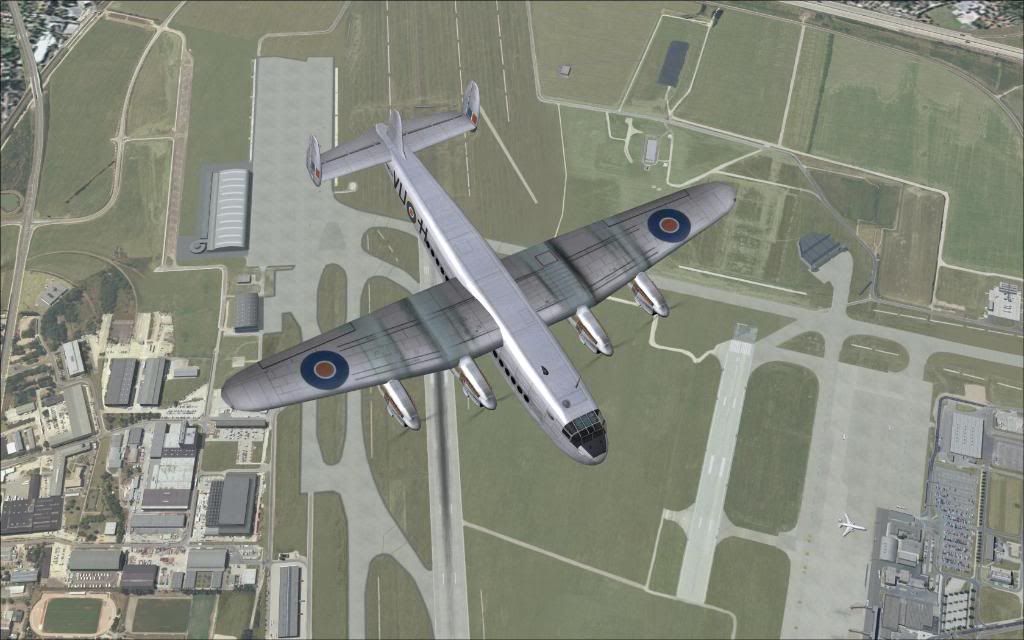
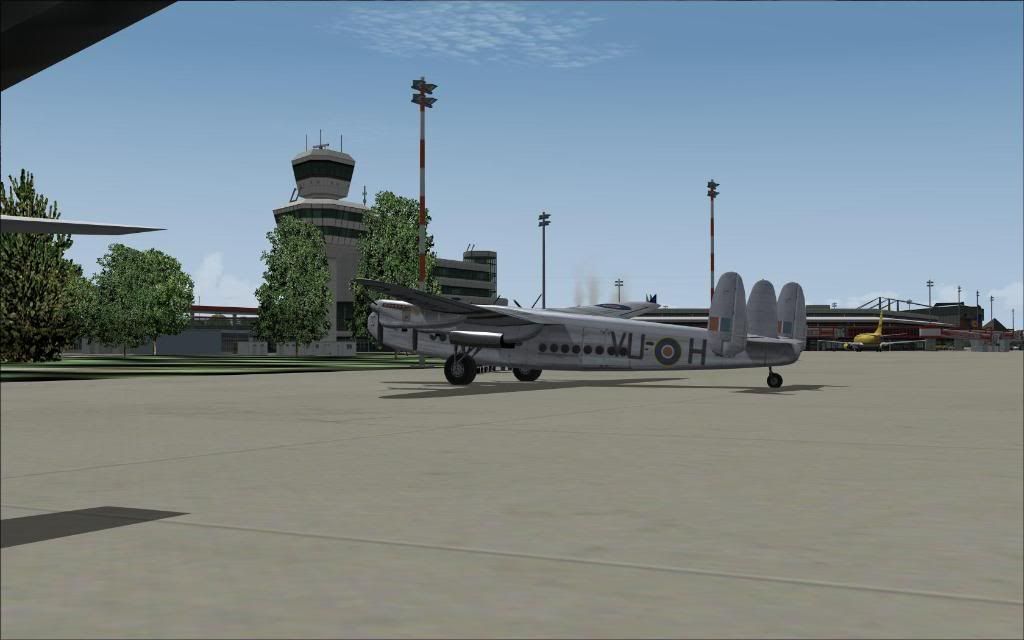
The Avro York - The wings, engines, undercarriage and tail of the Lancaster bomber mated to an all new square-sectioned fuselage. Capable of carrying 56 passengers or in it's most well known role, up to 20,000lb of cargo.
During the Berlin Air Lift, Yorks flew just over 58,000 sorties - just over half of the British total, making it a true Cold War Workhorse thumbup1.gif


ImageImage
User avatar
Alfashark
Sim-holic
 
Joined: Wed Jul 25, 2007 7:45 pm
Posts: 549
Location: Putaruru

Postby Alfashark » Fri Dec 11, 2009 9:32 pm
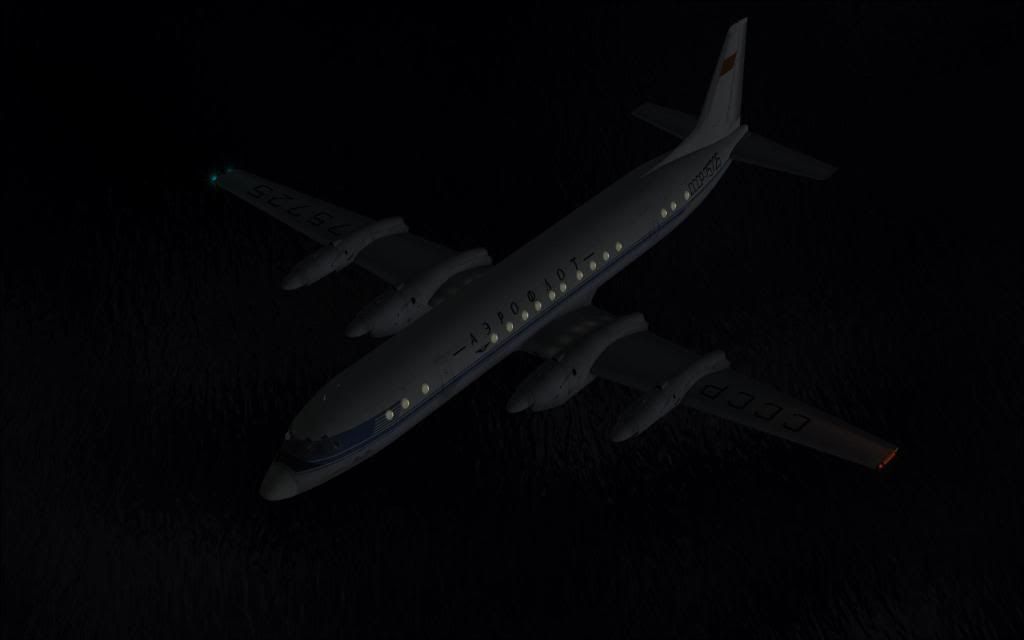
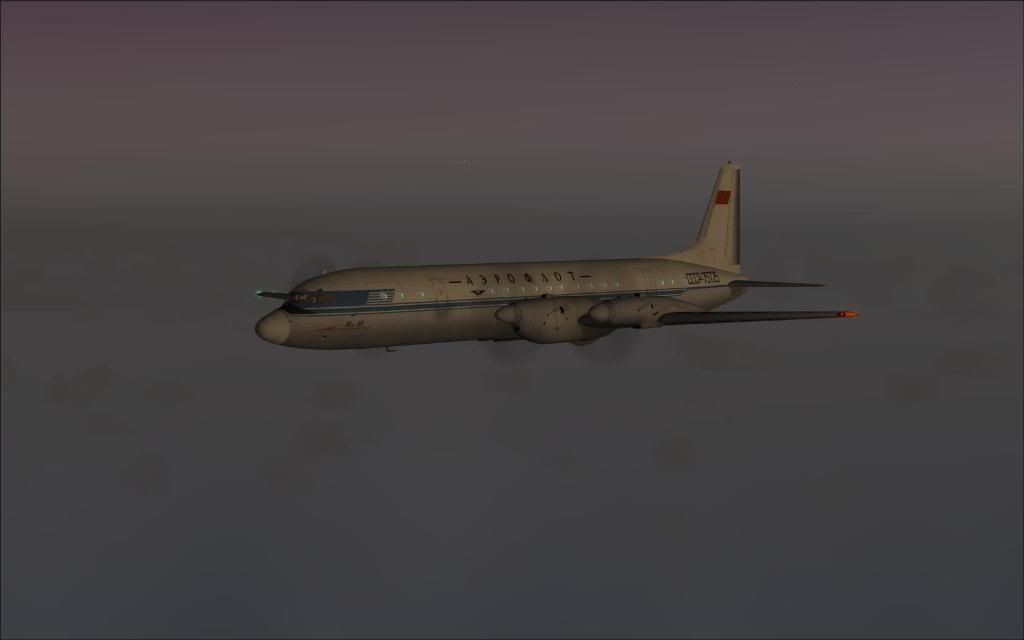
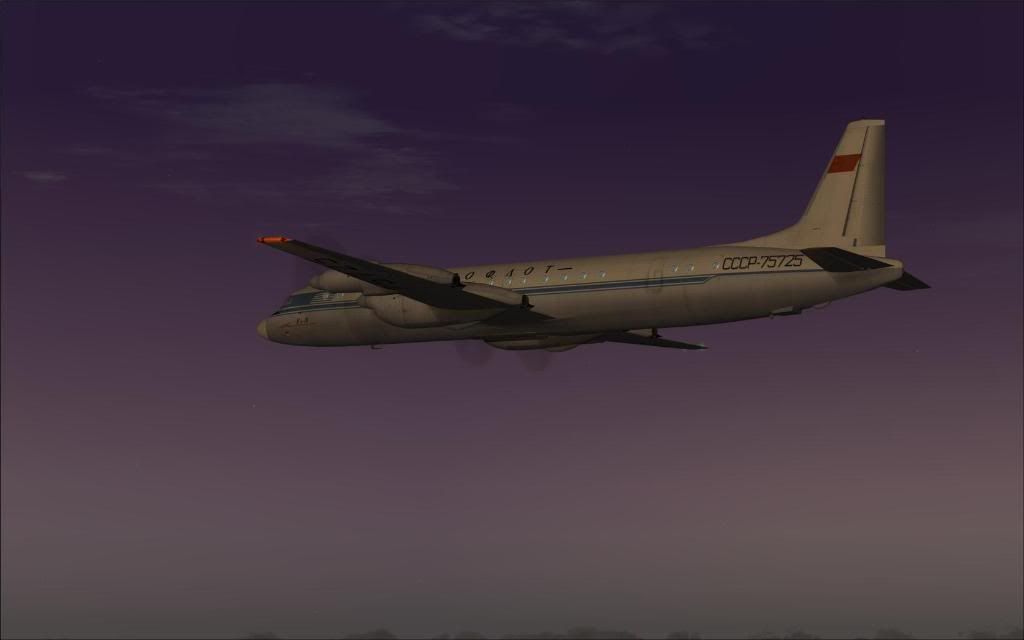
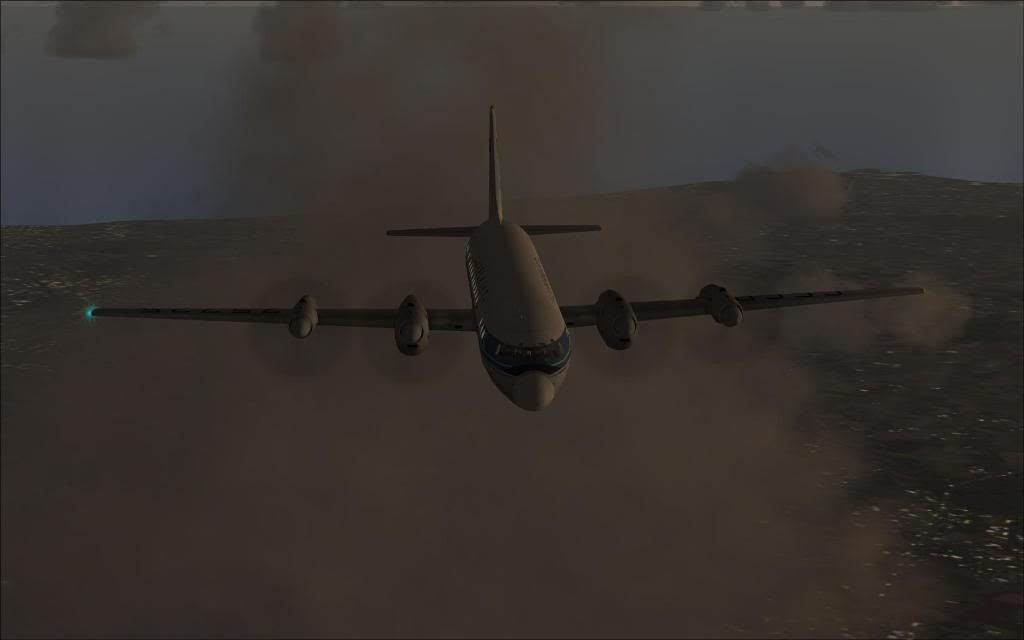
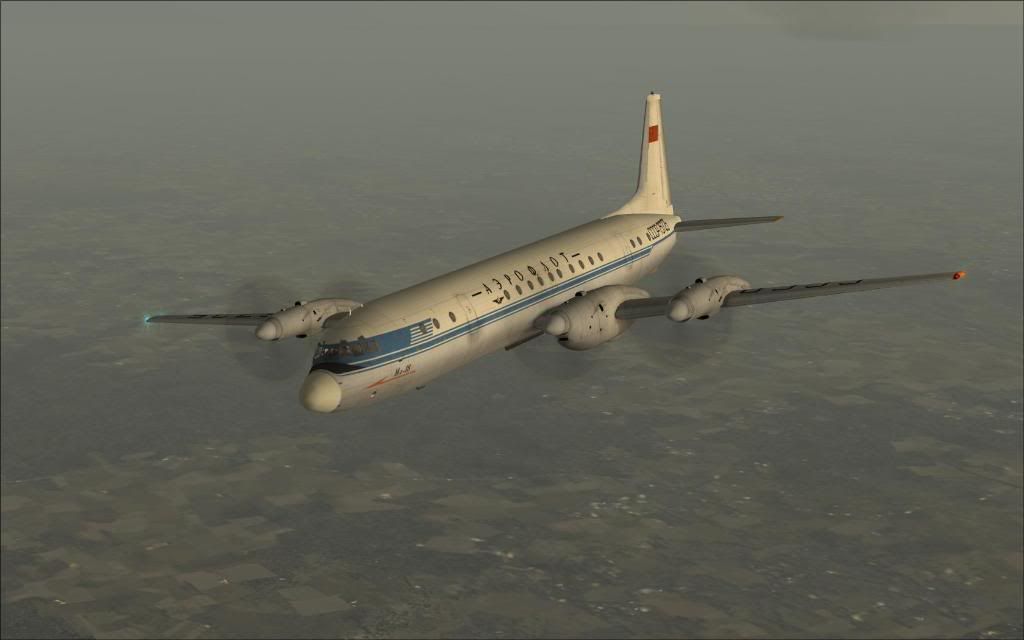
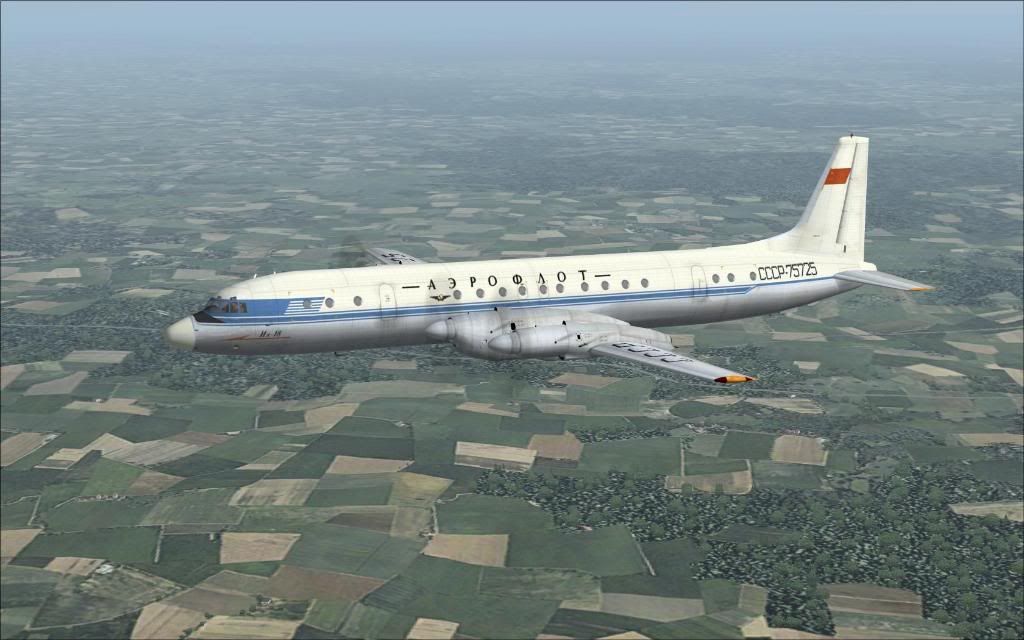
Our next piece of Cold War Iron, the Ilyushin Il-18 is remarkably similar to the Lockheed L-188 Electra. Like the Electra, it also spawned a maritime patrol variant known as the Il-38 "May" - oddly enough the Il-18 first flew 5 months before the L-188, normally it was a case of the Soviets following their Western counterparts.
Here we have an Il-18 in regular Aeroflot '70s colours - plenty of them are still in service with most approaching 40,000hrs and in some cases nearly 50yrs of fare carrying.


ImageImage
User avatar
Alfashark
Sim-holic
 
Joined: Wed Jul 25, 2007 7:45 pm
Posts: 549
Location: Putaruru

Postby Alfashark » Mon Dec 14, 2009 8:40 pm

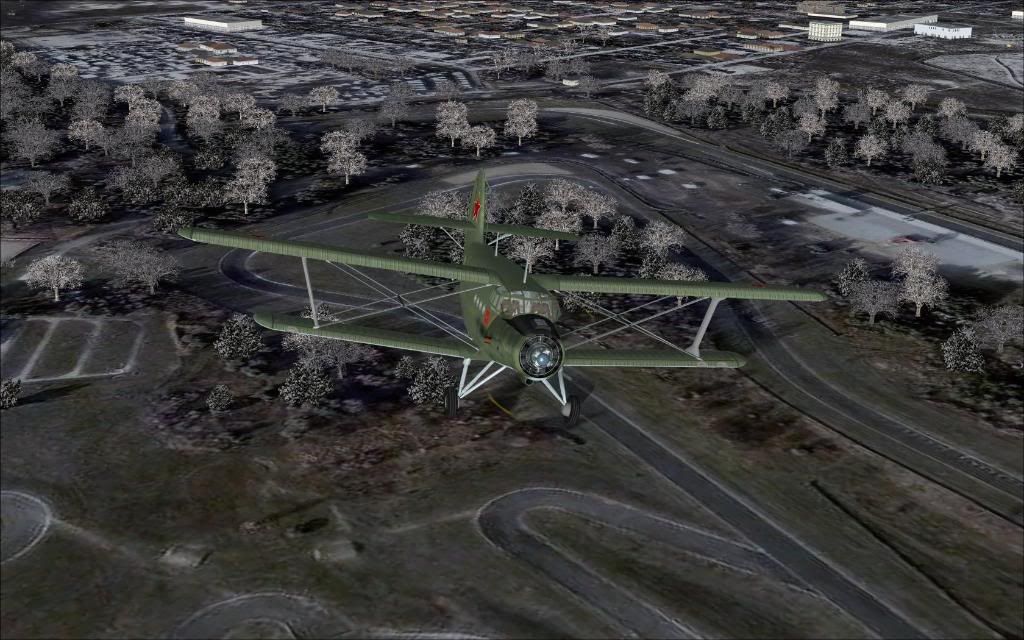
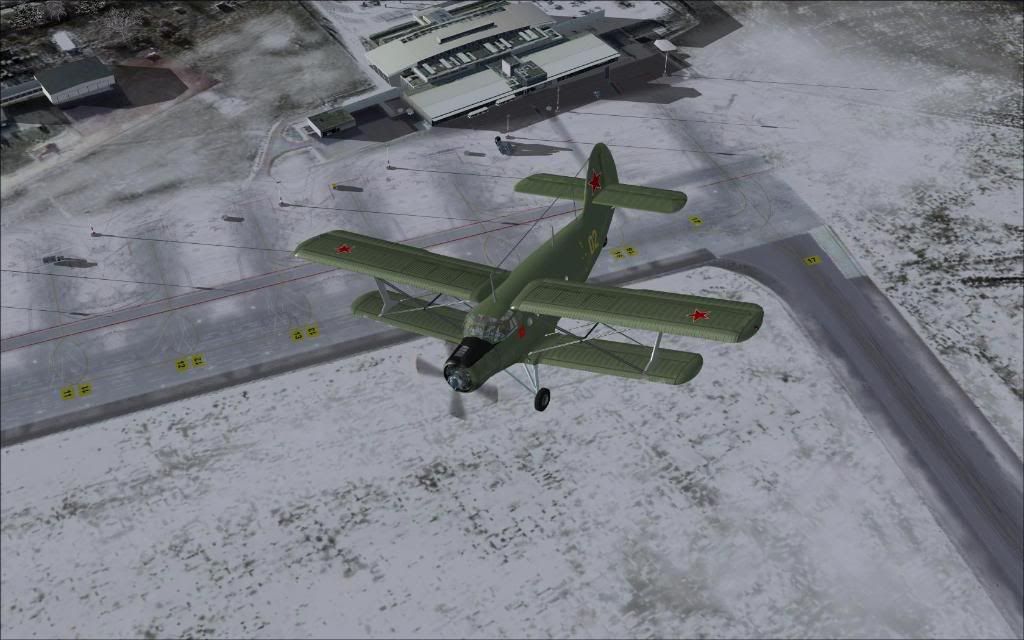
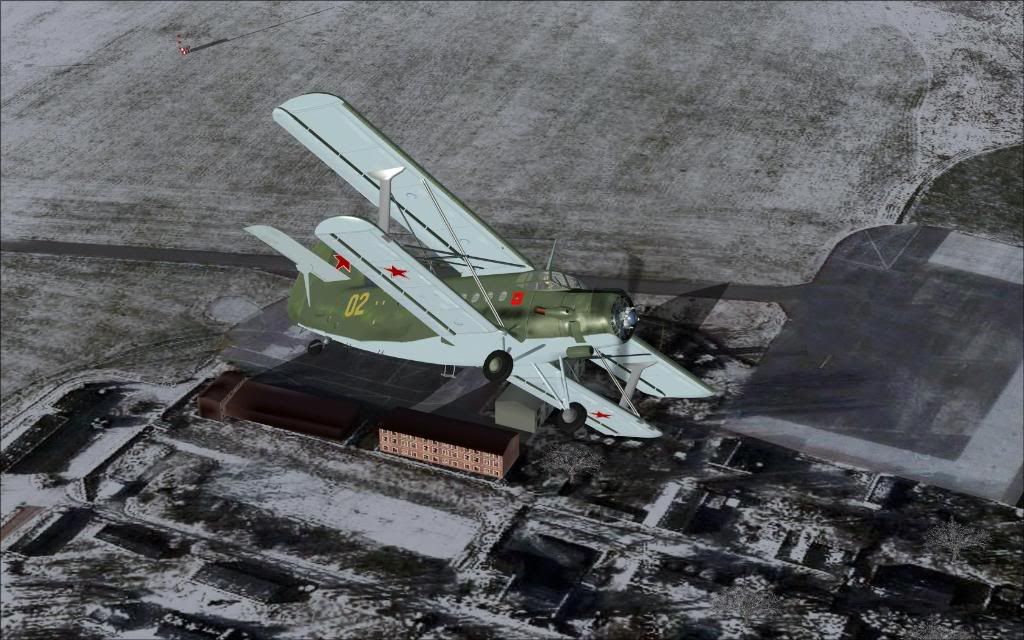
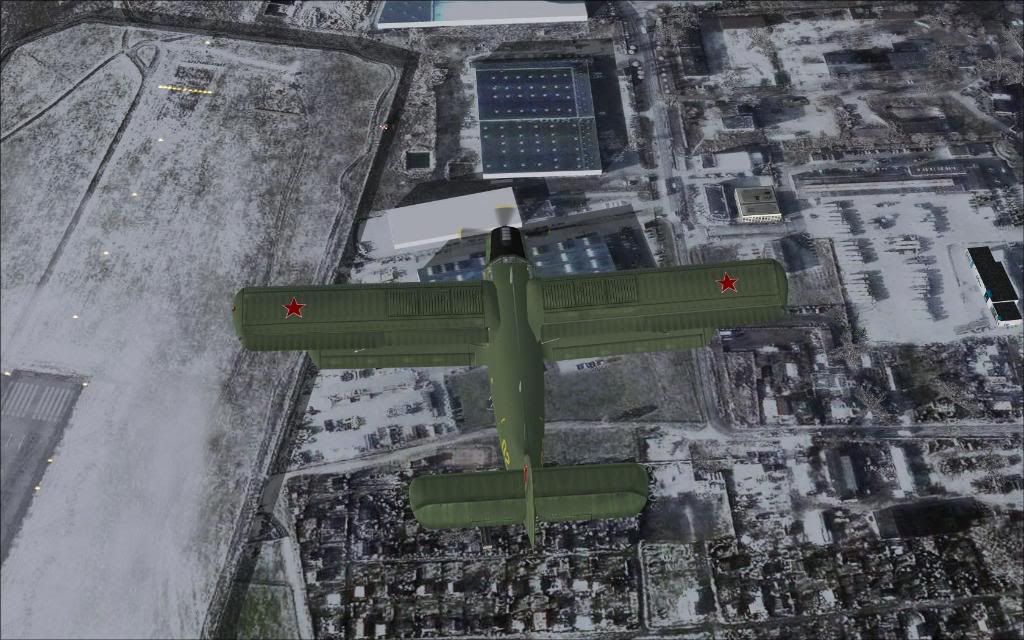
Another icon from the other side of The Wall - The Antonov An-2. First graced the skies in 1947, and in continuous production until 1991 notworthy.gif Still available new though - PZL took over manufacturing until '91 and will still produce them to customer order...
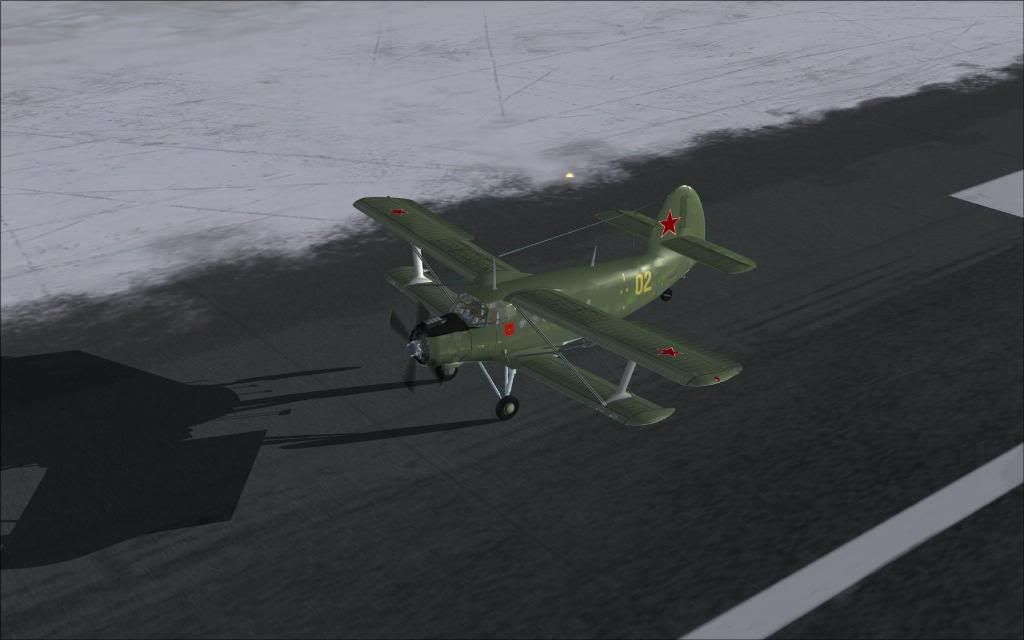
1000hp, a very simple and rugged airframe built to take the punishment of Arctic sub-zero all the way to scorching heat of Africa and everywhere in between.
Water-bombing, air-ambulance, cropdusting, atmospheric sampling and of course passenger + cargo hauling, the An-2 has been there, done it all and got the t-shirt... twice at least winkyy.gif
Interestingly, the flight manual for an An-2 has no stall speed listed - large flaps on the upper and lower wings, along with automatic slats mean that fully controlled flight is still achievable down to around 20kts.


ImageImage
User avatar
Alfashark
Sim-holic
 
Joined: Wed Jul 25, 2007 7:45 pm
Posts: 549
Location: Putaruru

PreviousNext

Return to Screenshots

Who is online

Users browsing this forum: No registered users and 11 guests