Bangkok >
> Yangon
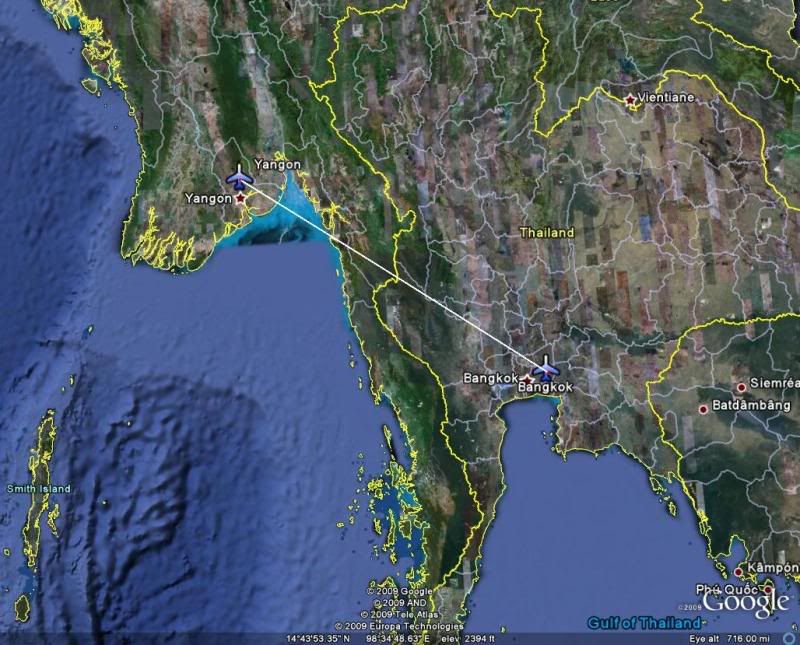
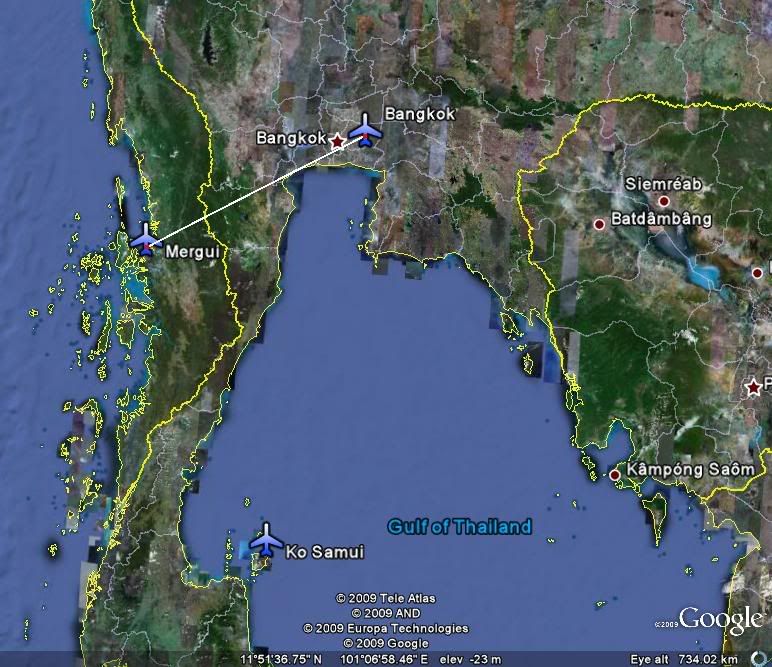
 Hello all! Well we are off again on one of my longer legs of the journey. Today we head north west back into Myanmar to the old capital of Yangon.
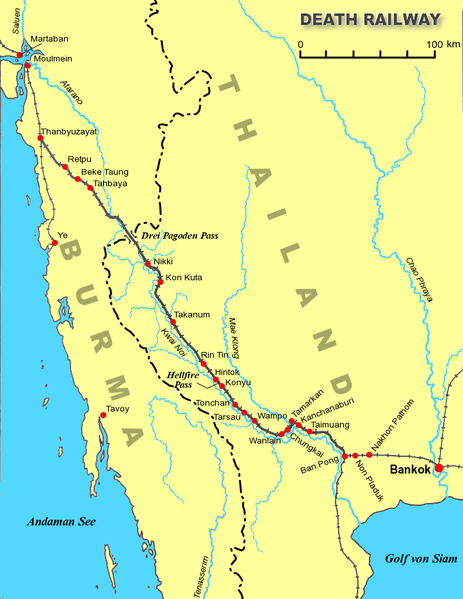
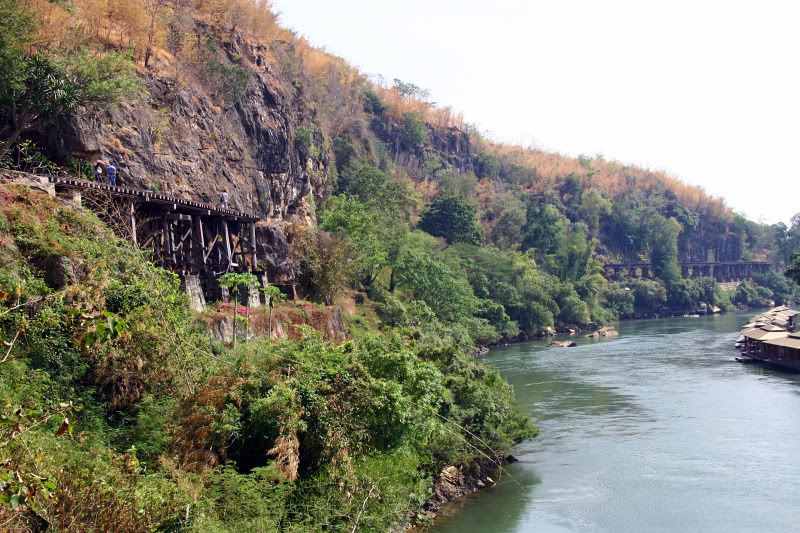
Burma railway (Death railway)
We will be following the track to the western coast.About 180,000 Asian labourers and 60,000 Allied prisoners of war worked on the railway. Of these, around 90,000 Asian labourers and 16,000 Allied POWs died as a direct result of the project. The dead POWs included 6,318 British personnel, 2,815 Australians, 2,490 Dutch, about 356 Americans and a smaller number of Canadians.
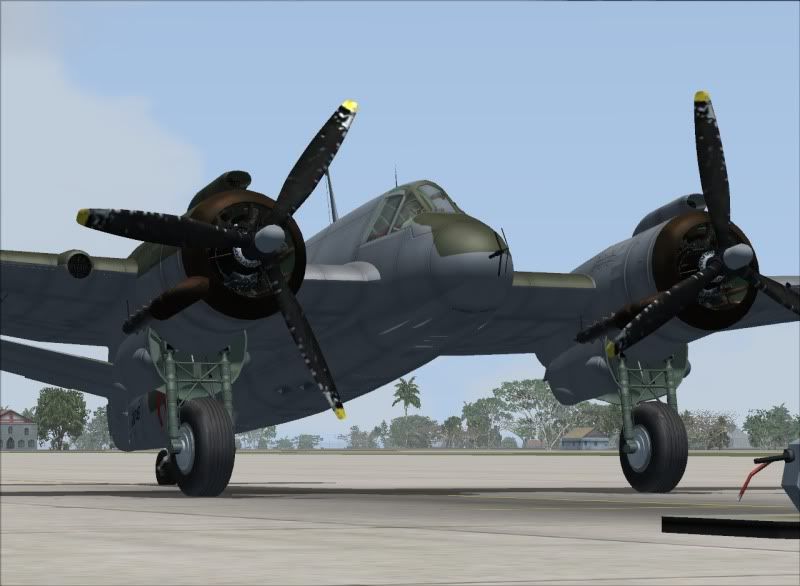
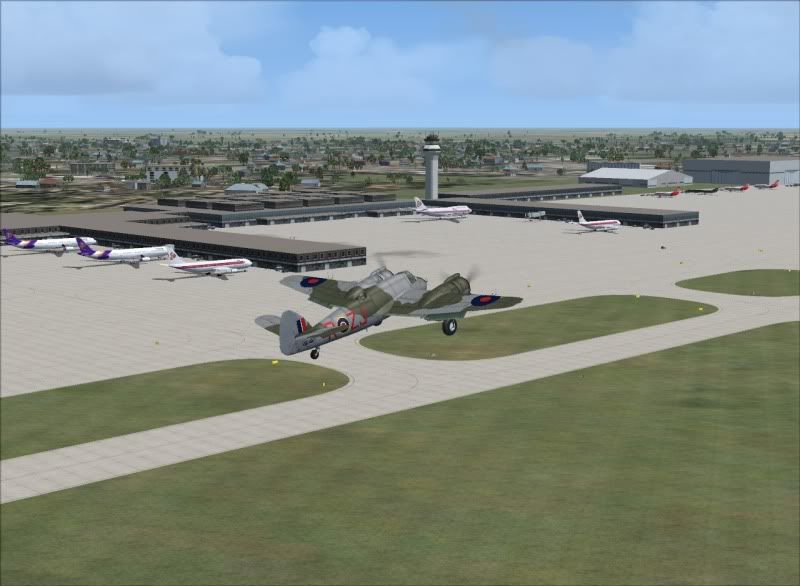
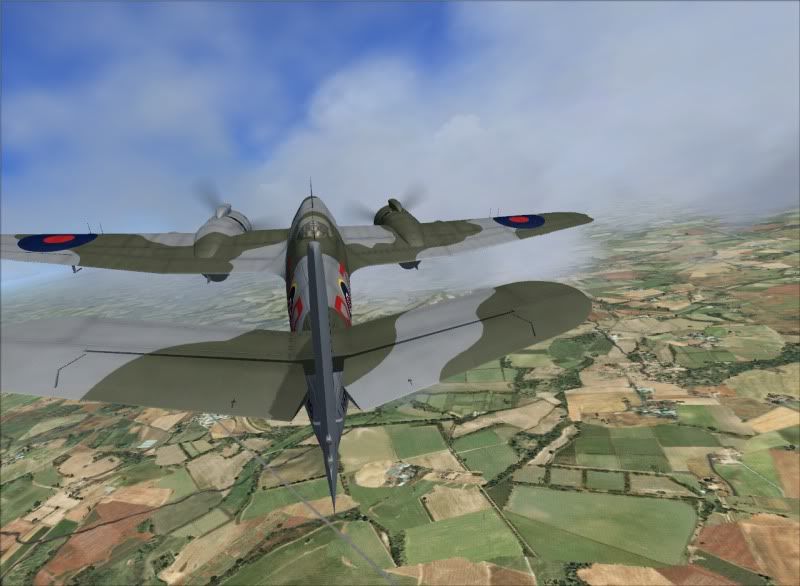
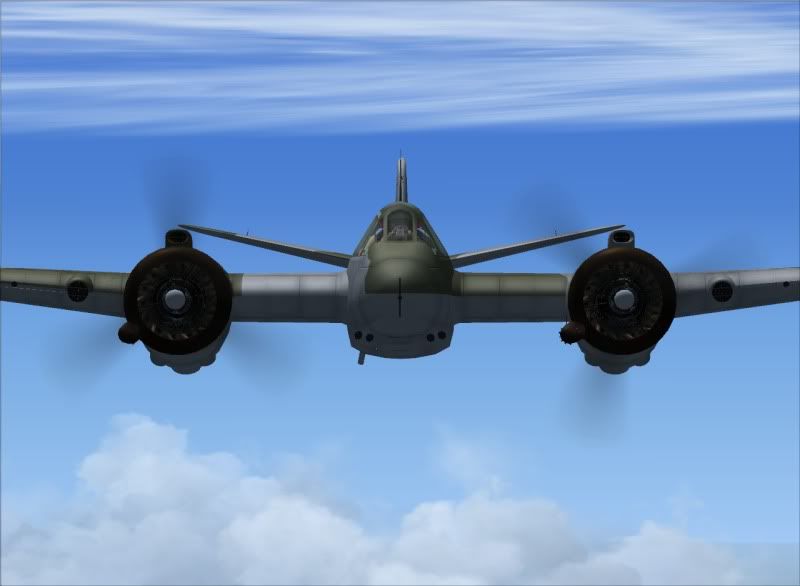
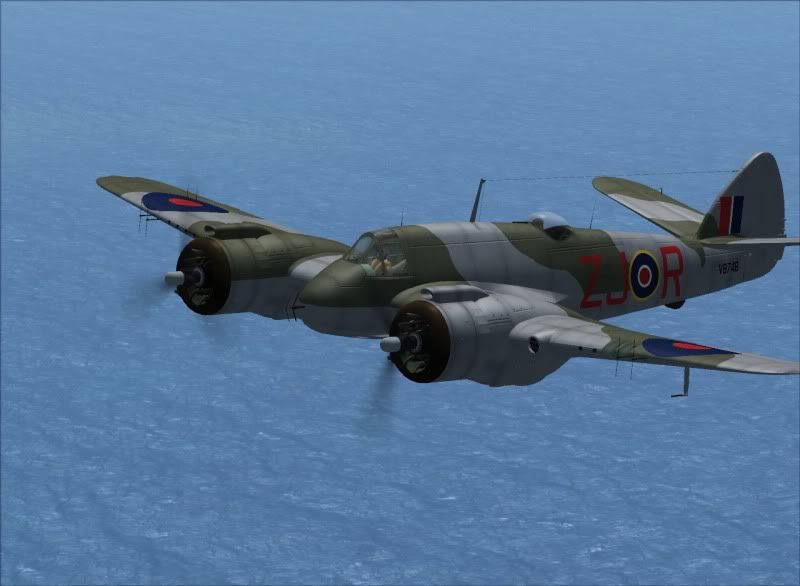
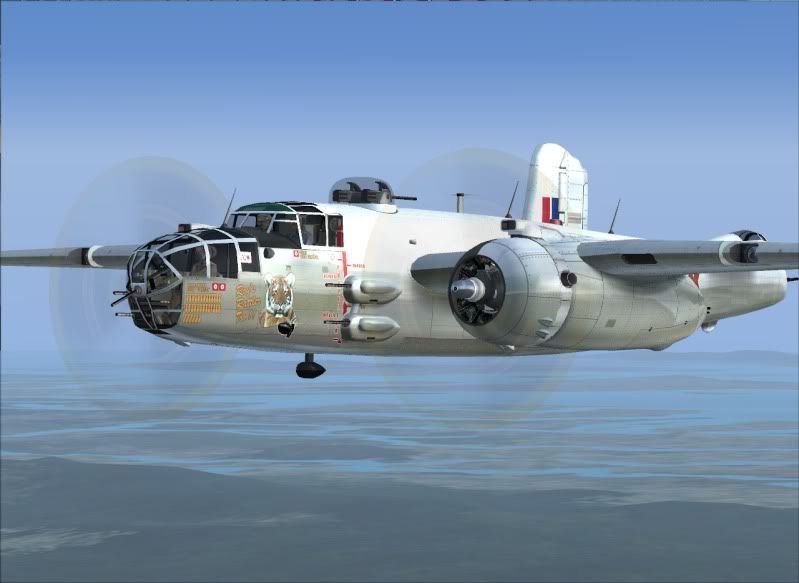
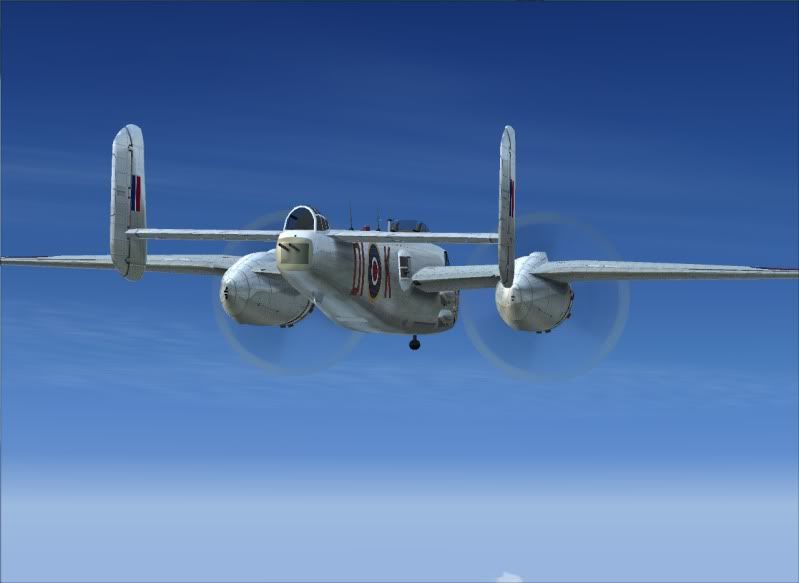
Bristol Beaufighter
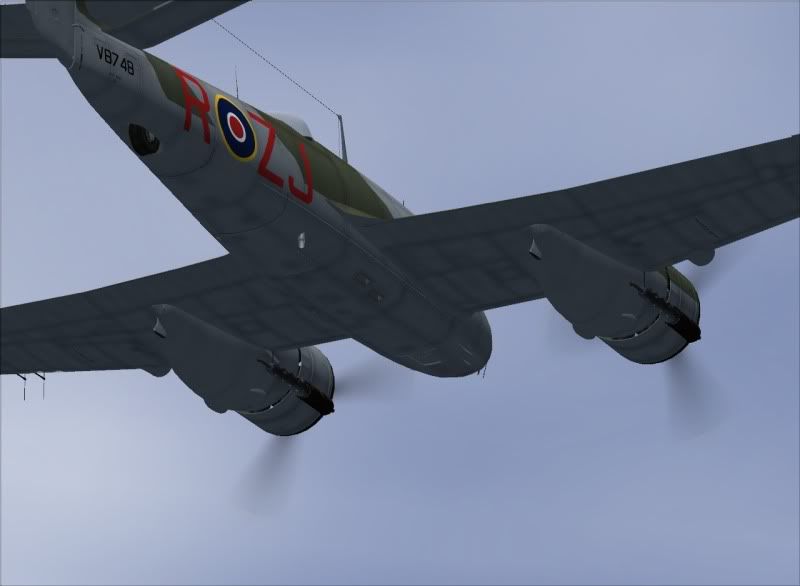
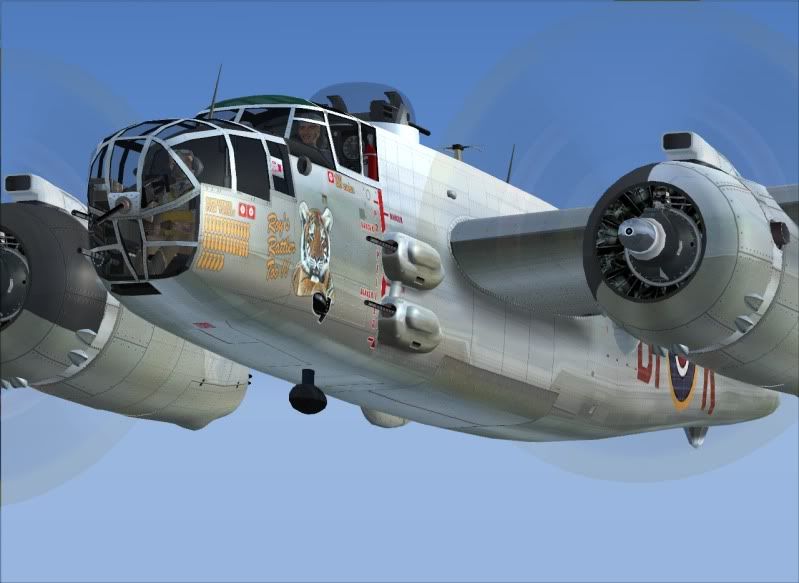
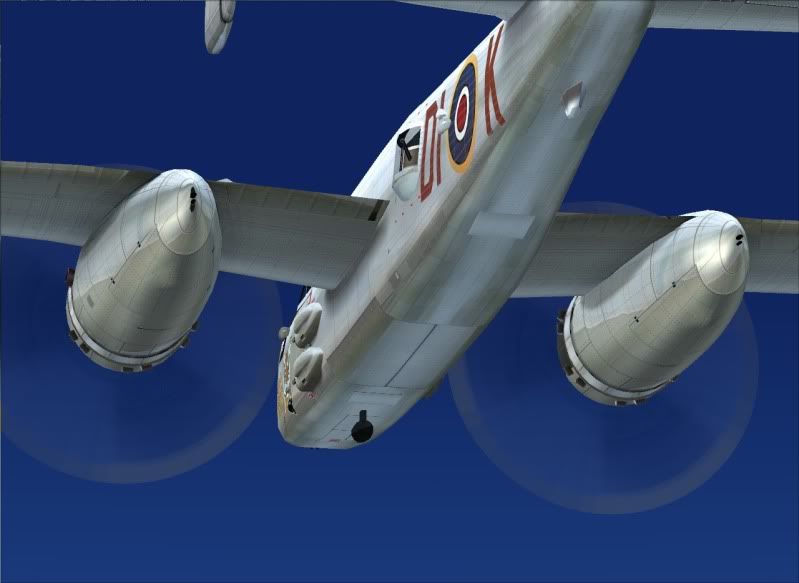
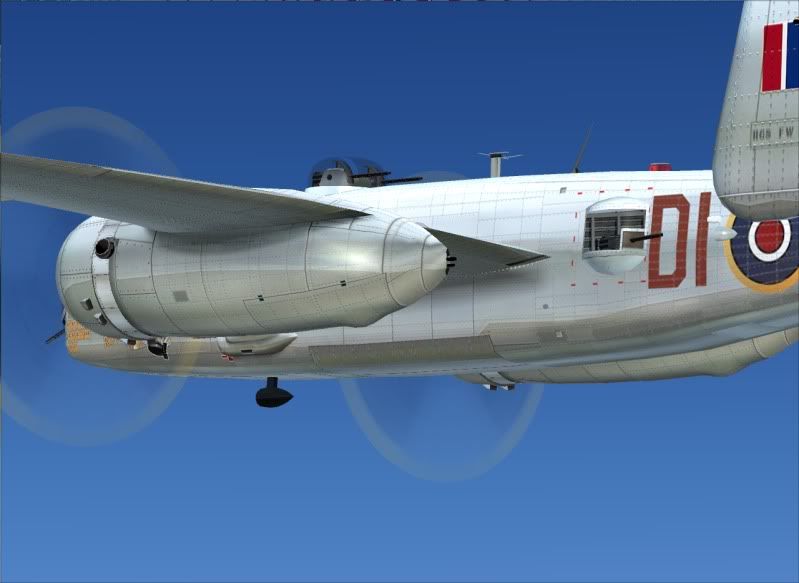
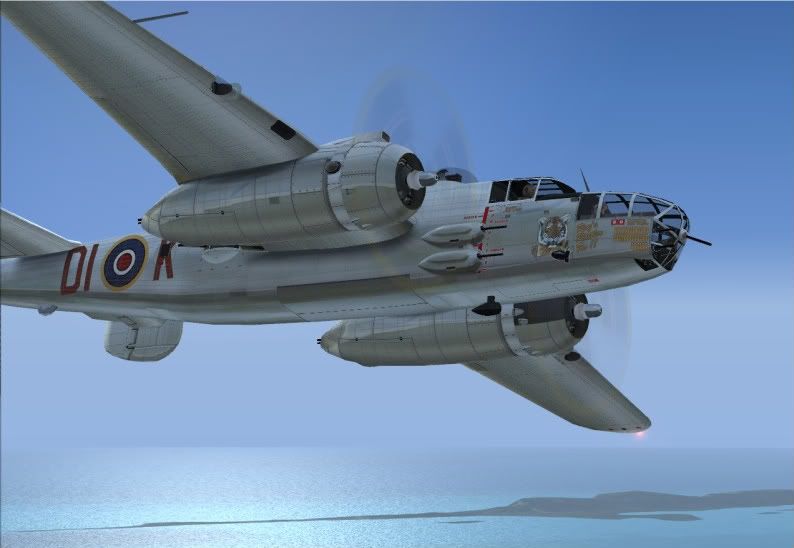
The Bristol Beaufighter was one of the most significant British aircraft of the middle years of the Second World War. Initially developed as a potential fighter aircraft in 1938, it was the most effective British night fighter until the appearance of the Mosquito, and went on to have a second career with Coastal Command, operating as both a long range escort fighter and anti-shipping weapon.
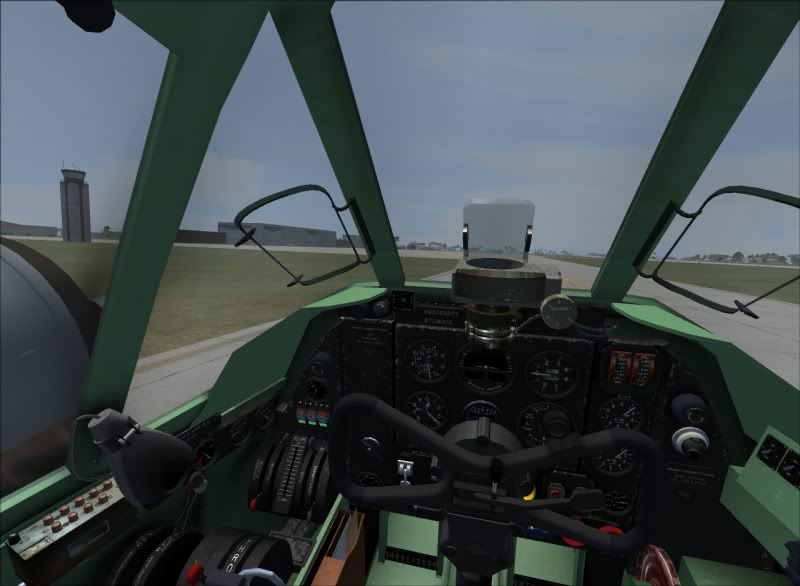
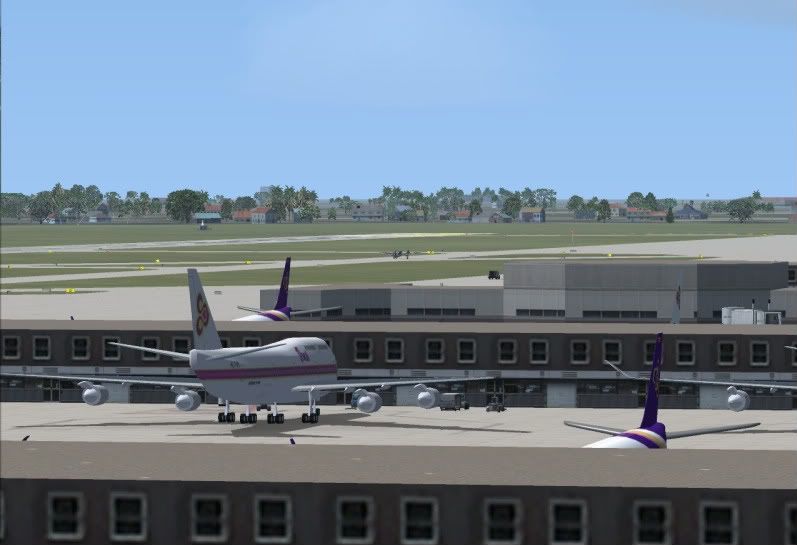
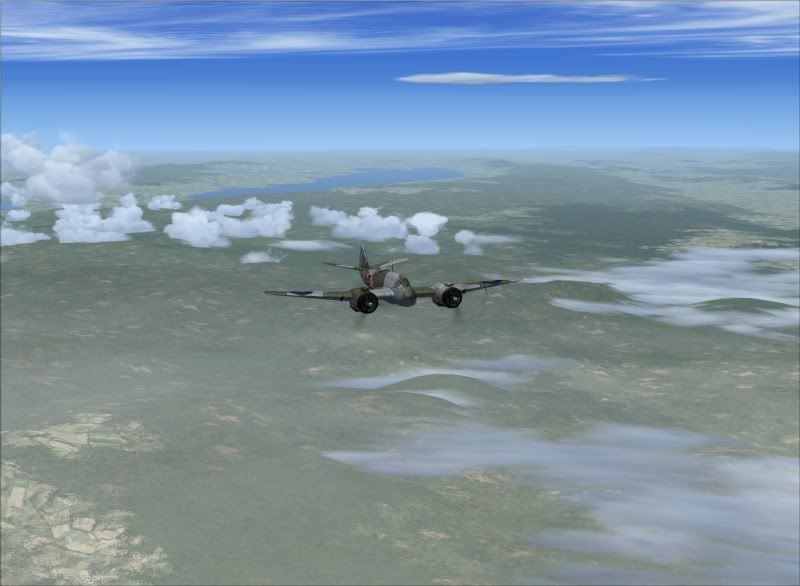
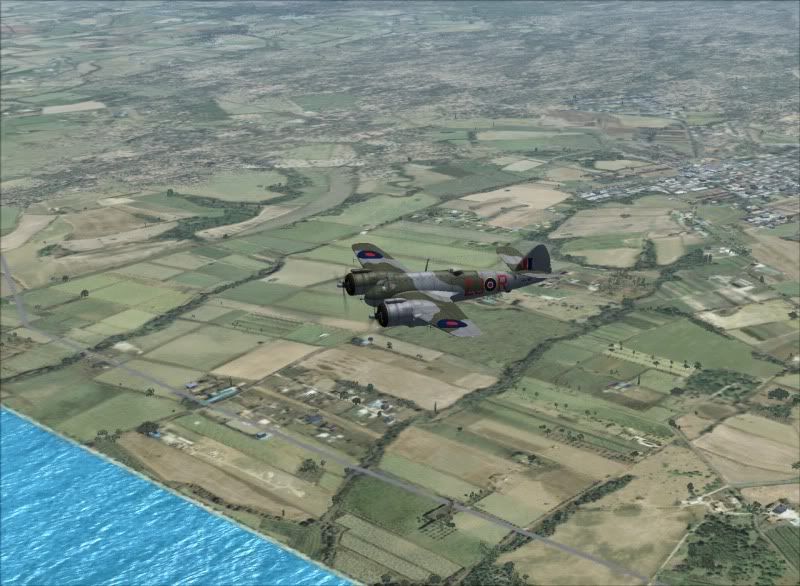
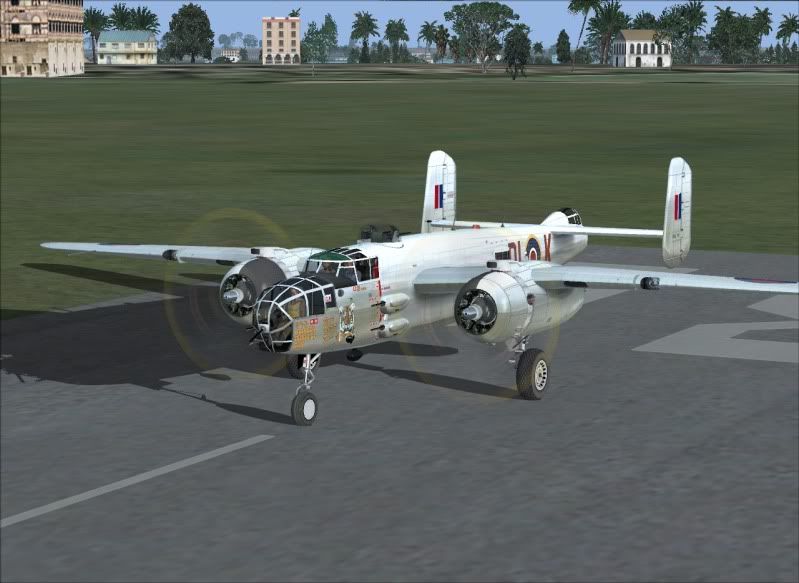
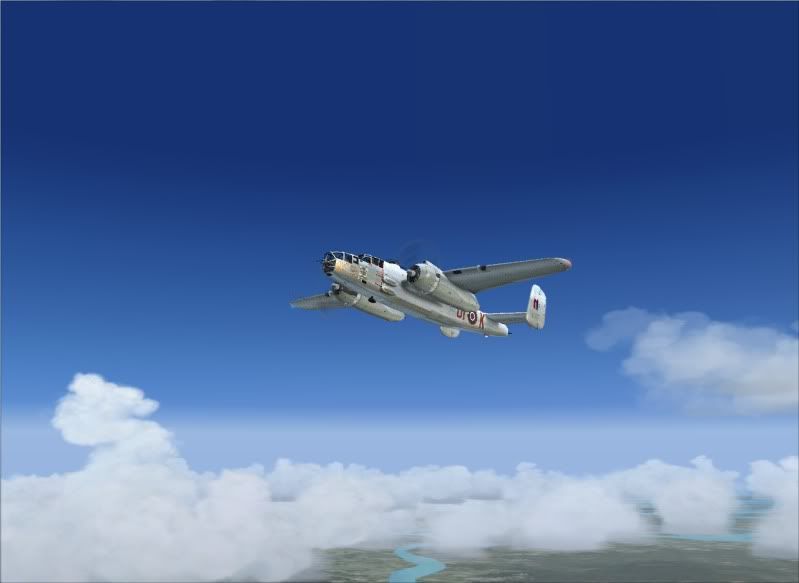
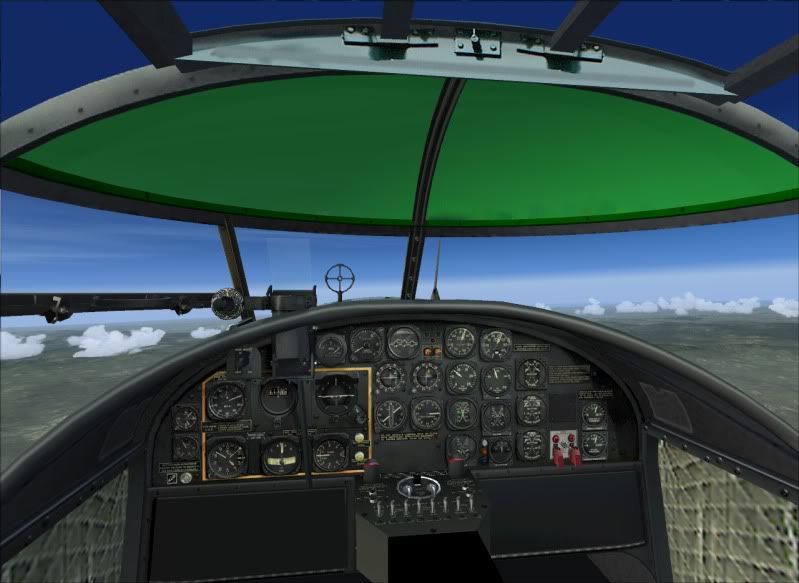
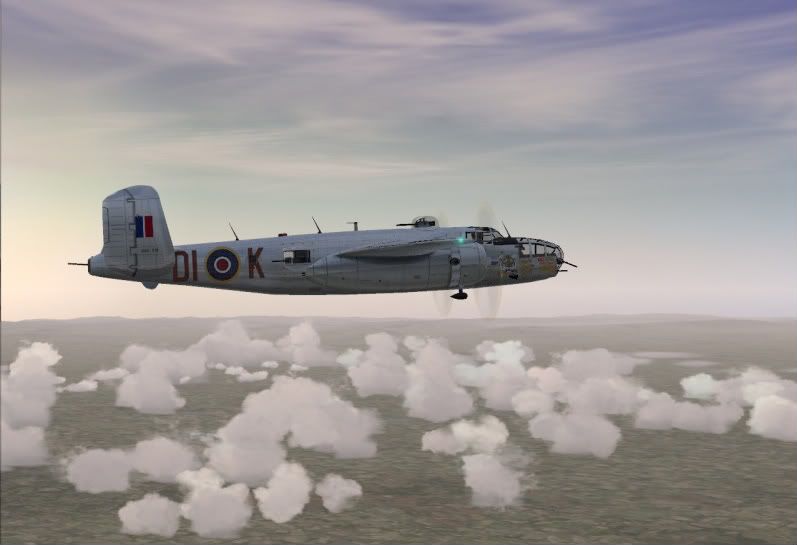
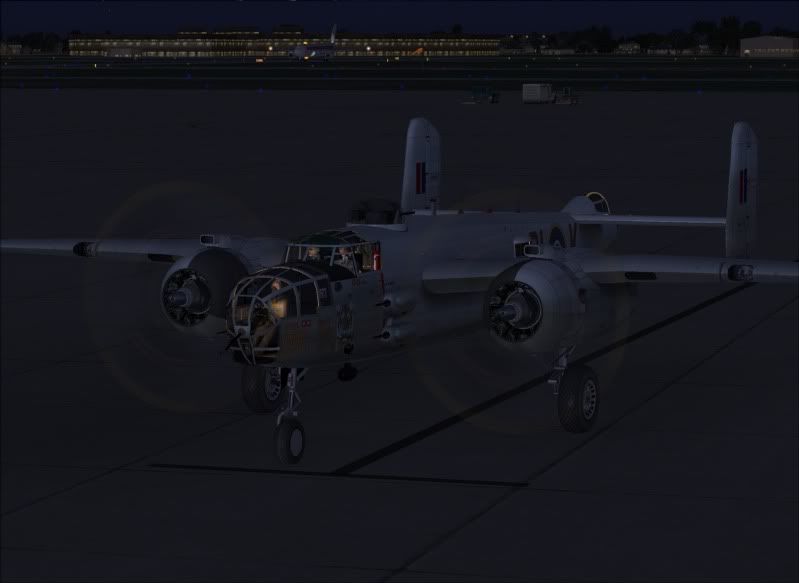
Lovely weather as we taxi out, should be a clear trip with only a little cloud.
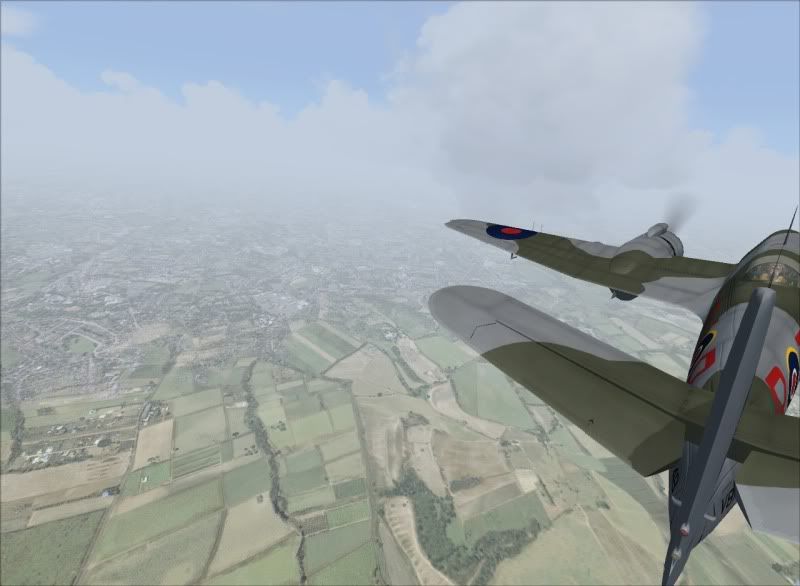
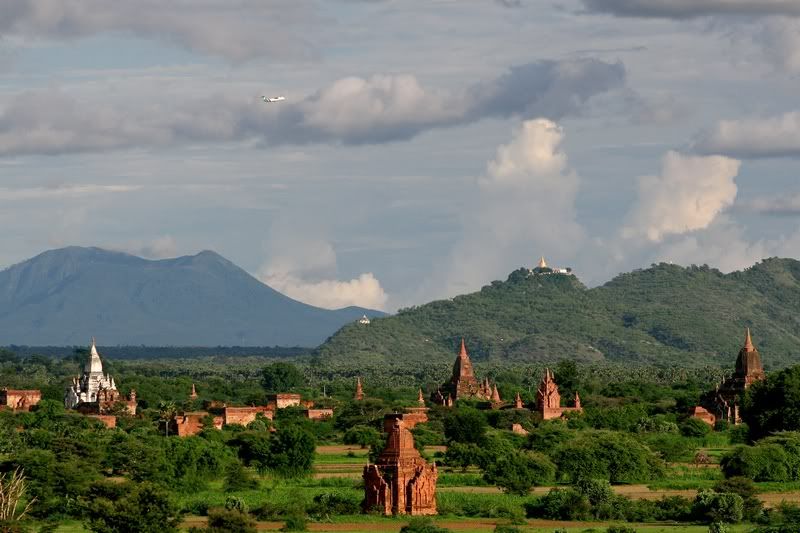
I am looking forward to getting back out in the country again. It will be good to get away from all that air traffic.
A small number of Beaufighters began to reach the night fighter squadrons in September 1940, although it would take some months for these first squadrons to entirely replace their Blenheim IFs.
The Beaufighter earned its most enduring nickname in the Far East. There it became know to the Japanese as the “Whispering Deathâ€. The Bristol Hercules engines were amongst the quietest in use at the period, especially when compared to the loud roar made by the Rolls Royce Merlin, and the Beaufighter could use its low level speed to make sudden surprise attacks against Japanese supply depots in the Burmese jungle, then disappear as quickly as it came.
In all eight Beaufighter squadrons served in the Far East, three as night fighter squadrons, initially defending India, and later flying intruder missions over Burma. Of the remaining five squadrons, two began with anti-shipping duties (Nos. 22 and 27), then joined the final three flying ground attack missions against the Japanese positions in Burma. Another three Australian squadrons (Nos. 30, 31 and 93) also used the Beaufighter against the Japanese.
In 1942, Japanese forces invaded Burma from Thailand and seized it from British control. To maintain their forces in Burma, the Japanese had to bring supplies and troops to Burma by sea, through the Strait of Malacca and the Andaman Sea. This route was vulnerable to attack by Allied submarines, and a different means of transport was needed. The obvious alternative was a railway. The Japanese started the project in June 1942.
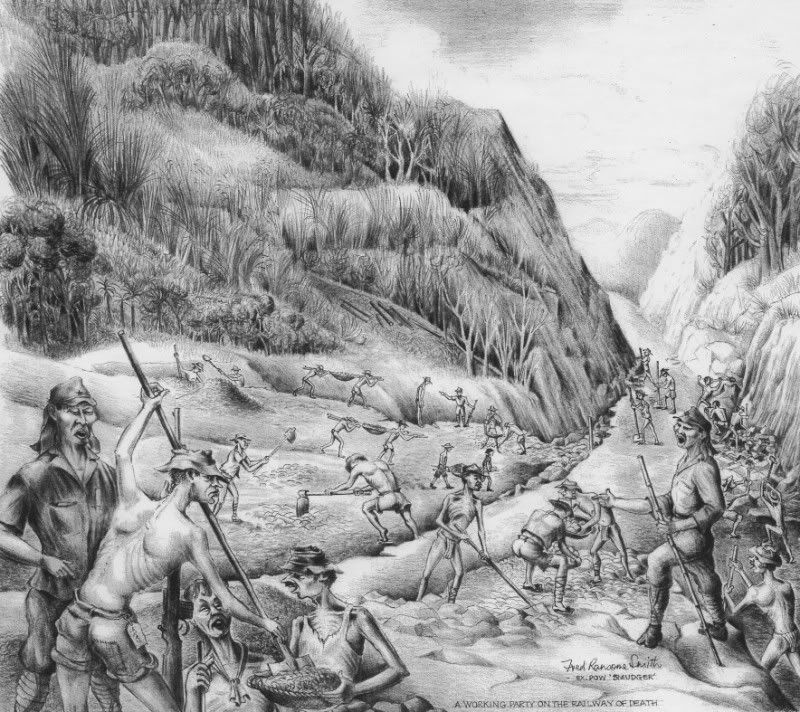
These figures show the what price was paid for these rails.
They suffered malaria, dysentery, cholera, tropical ulcers, beri-beri, malnutrition from an inadequate diet, and brutal beatings from Japanese and Korean guards. Weakened by sickness and exhaustion, the men still had to work hard every day, at one time for 13 weeks without a break or 'yasume'.
Moving on from this sad piece of history we set our sights towards Yangon, and prepare for the sea crossing ahead.
The weather has been awesome today!
The first Beaufighter squadron to operate in the Far East was No. 27, which began ground attack missions over Burma in November 1942. The all-metal construction of the Beaufighter gave it an advantage over the Mosquito, which suffered a series of mysterious crashes in the Far East, blamed at the time on problems with the glue used in its wooden construction.
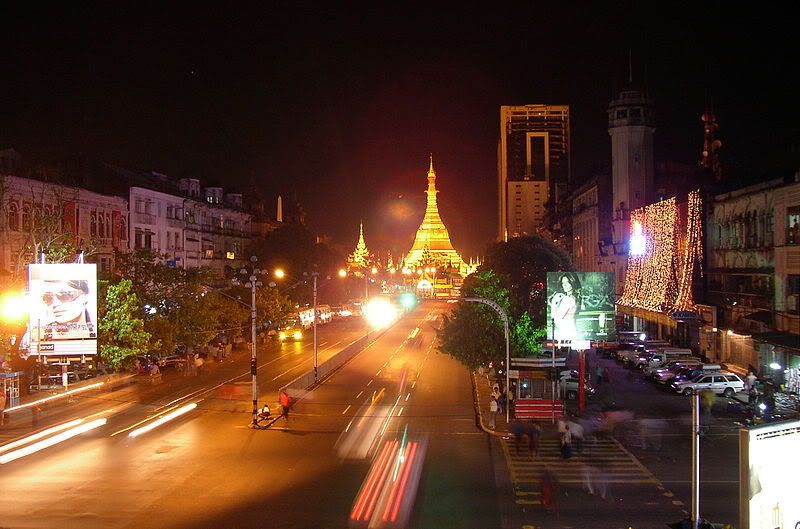
The population of Yangon previously known as Rangoon is 4,008,000.
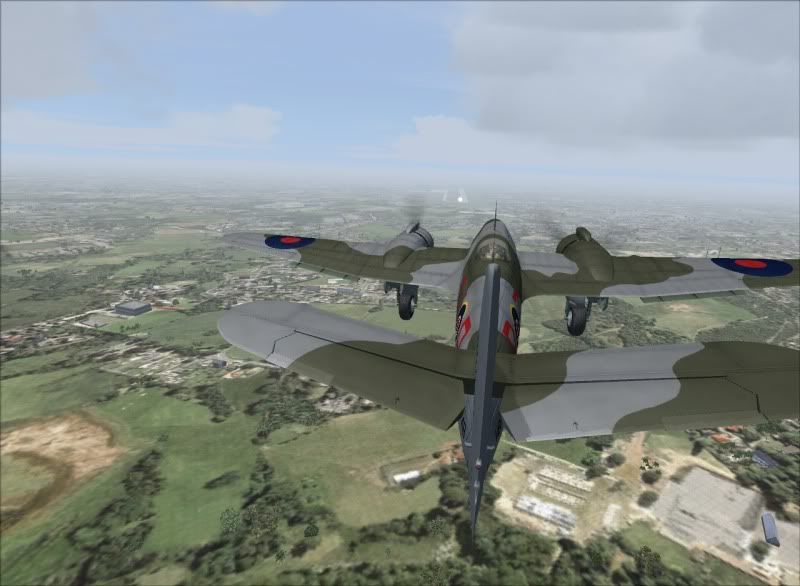
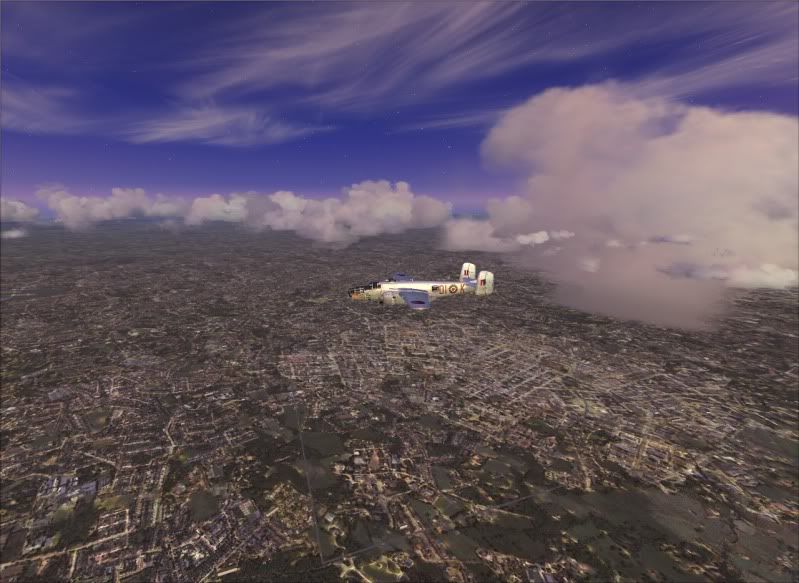
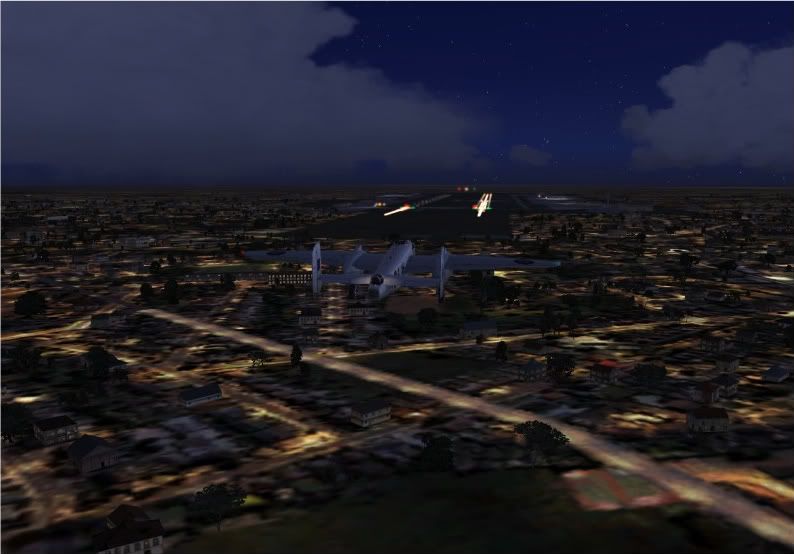
Finally after a good 2 1/2 hour trip, we get our finals.
We have travelled far today, well over 500km.
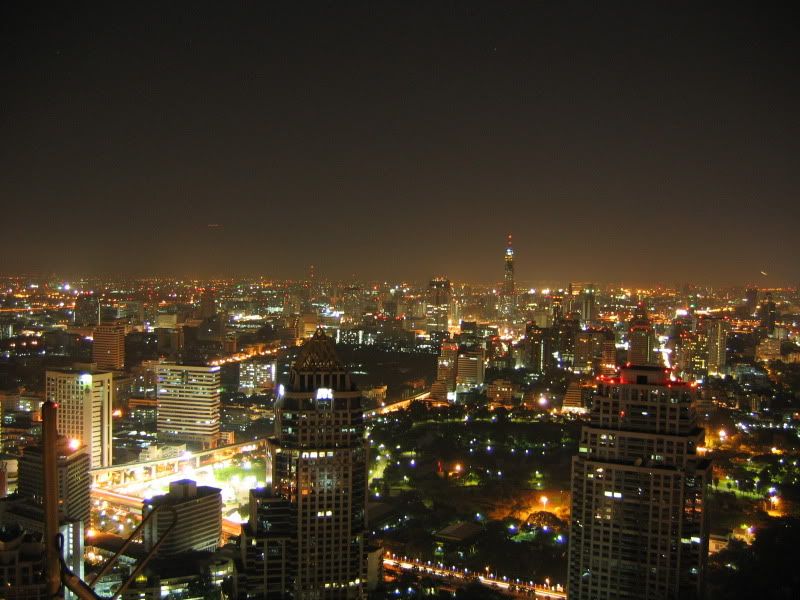
Yangon at night, time for a beer! Special thanks go to Syncop8r who pointed out to me that this was of course a Beaufighter and not a Blenheim. DURRR

Thanks for reading! Will be off again soon this time.

 by towerguy » Mon Jun 22, 2009 8:32 am

 You doin any of these flights online?