Page 1 of 2

PostPosted: Fri Oct 05, 2007 2:29 pm
by Timmo
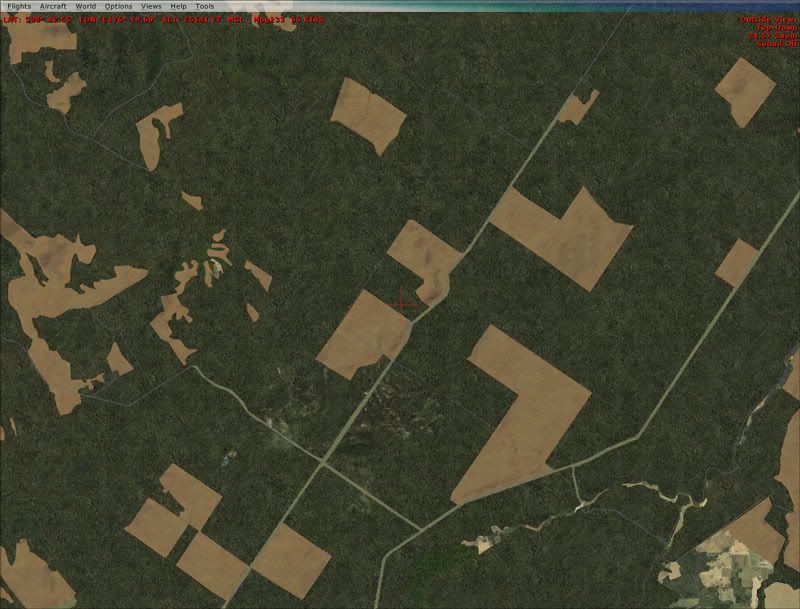
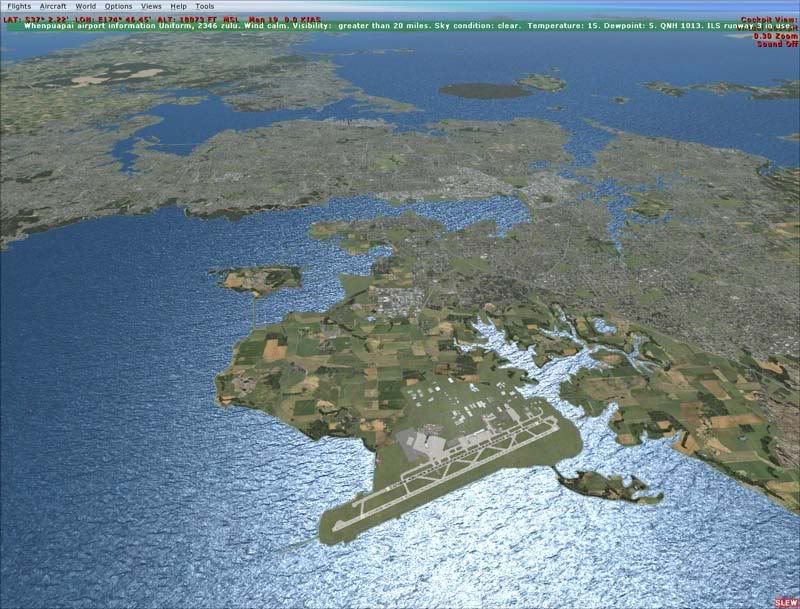
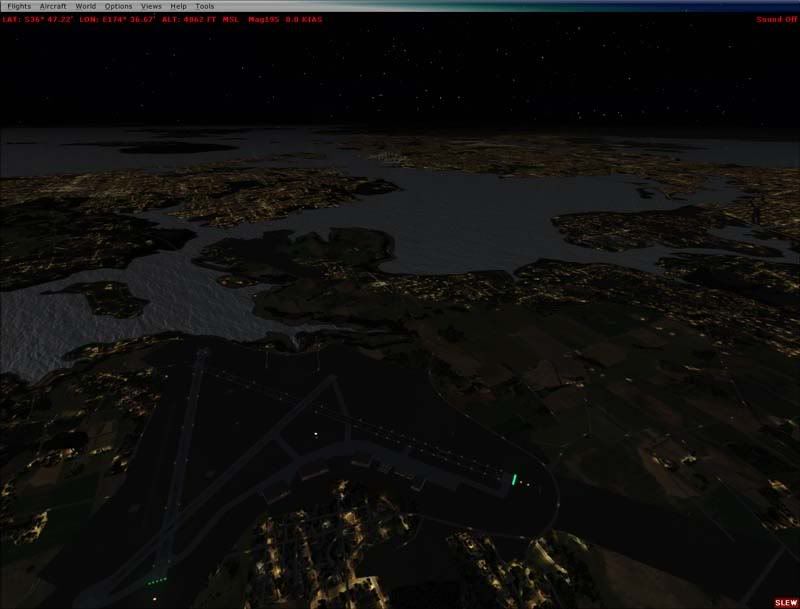
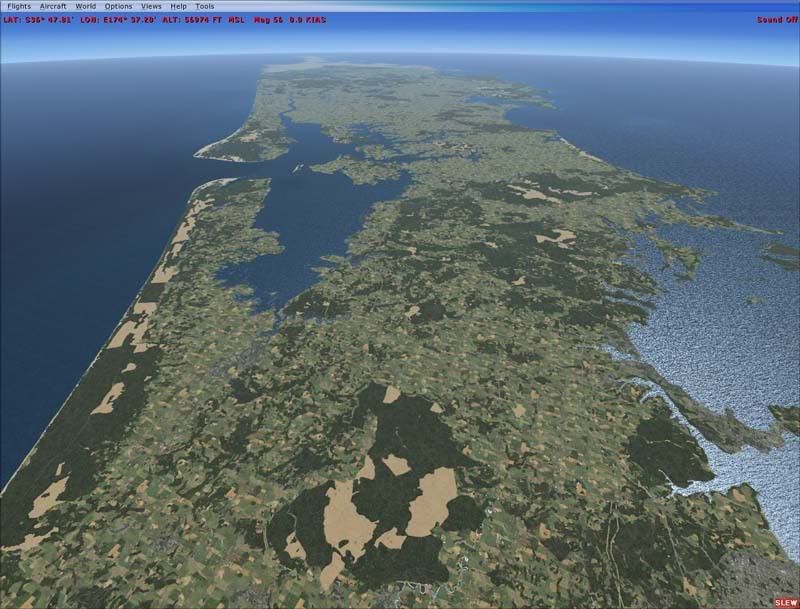
Here are some images comparing the default FSX landclass to the new Vector polygon based landclass im working on....

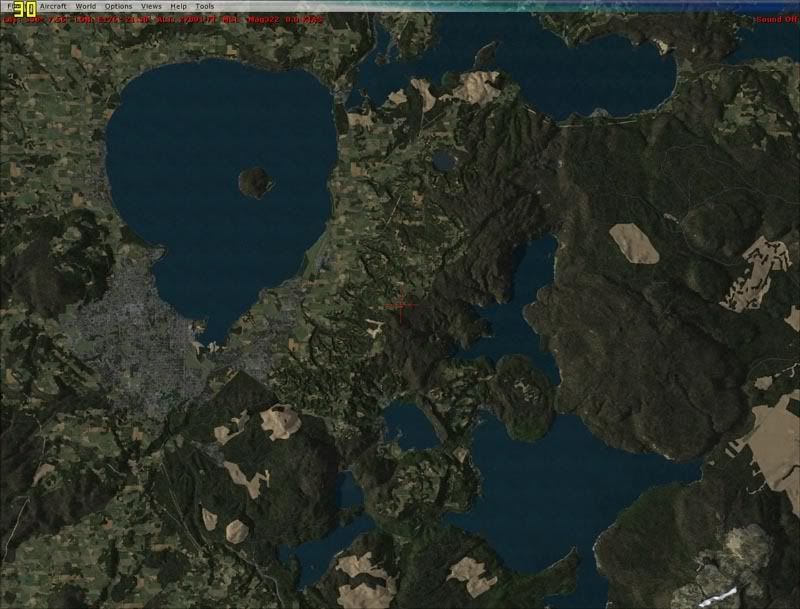
Ignore the large areas of 'brown' and miss classes (I.e. Snow instead of rock) in these beta images- the brown areas seem to be caused by a landclass not matching a region definition?....its a bit of trial and error to get these correct. The areas of snow etc are just mistakes tongue.gif What you should focus on is the increased accuracy and definition of the vector based landclass- Towns no longer fade into bush over a large distance, plantation forest stops at a defined edge and 'over cut' areas are visible.

Near Taupo: Default
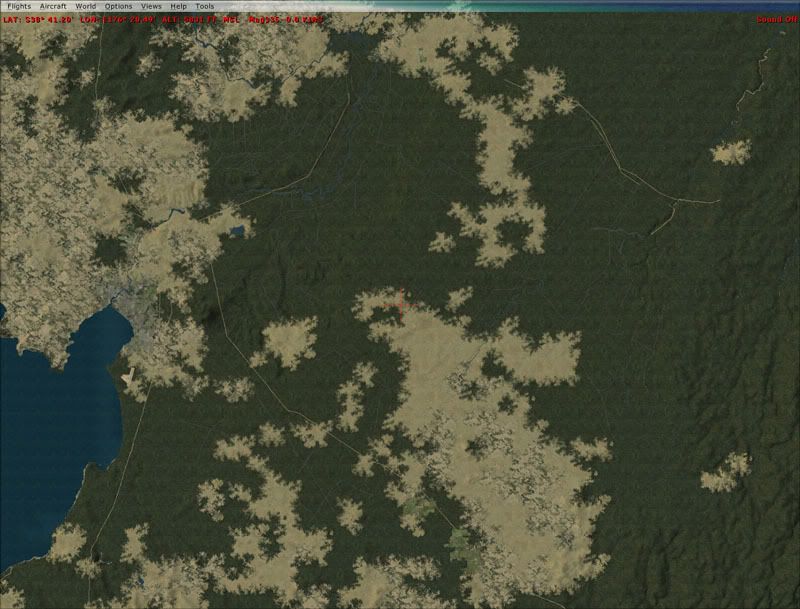

Red Baron
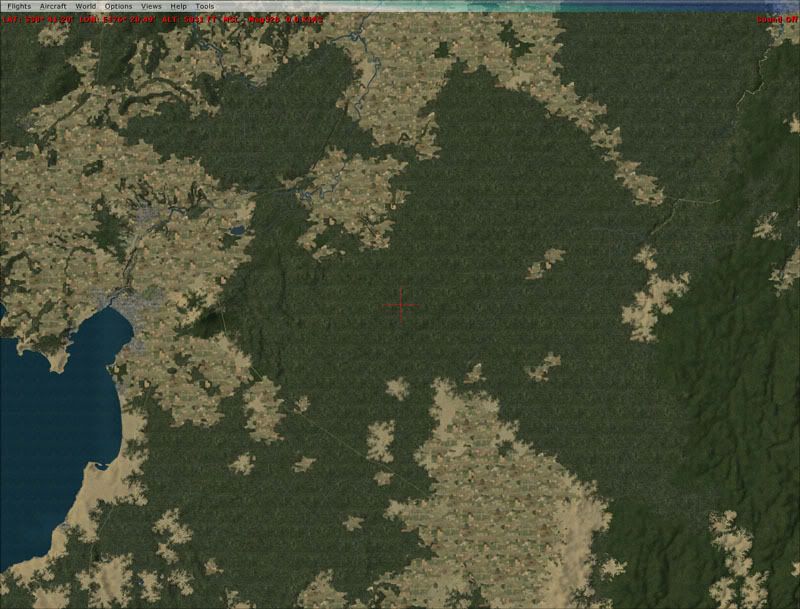

VisualiseIT Vector (Beta)
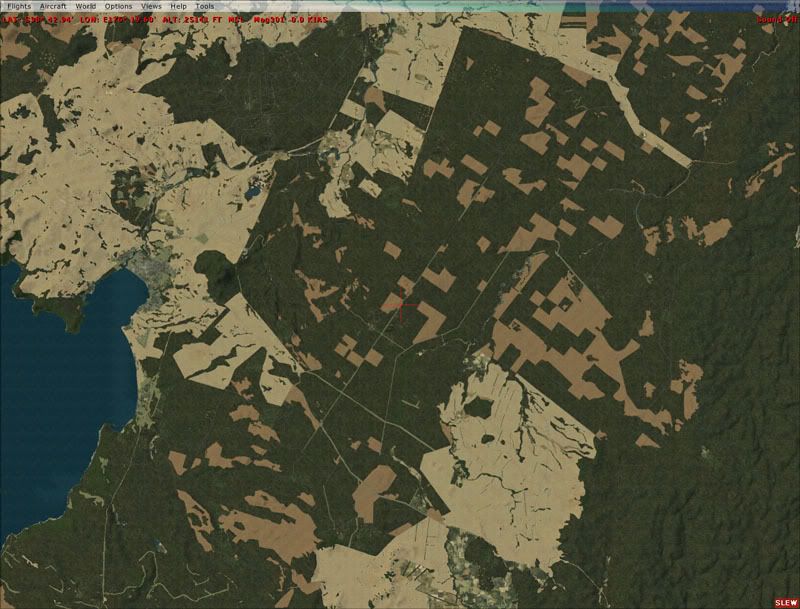


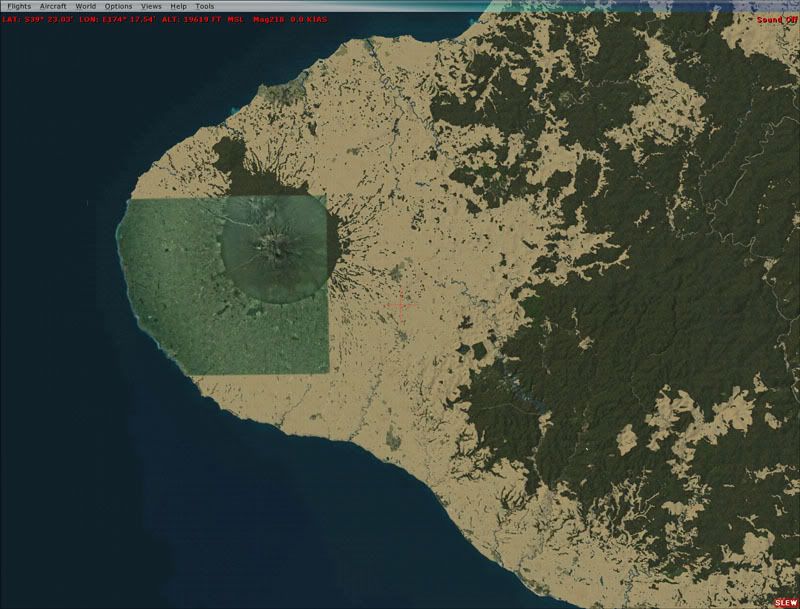
Taranaki: Default
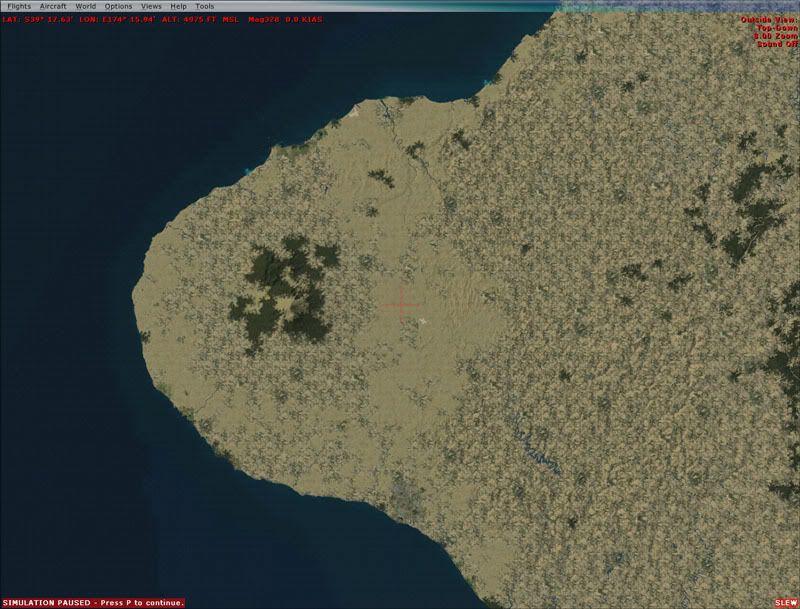


VisualiseIT Vector (Beta)
Again, ignore the brown- ill fix that. Note also the photoreal and how it aligns with the LandClass boundaries

Rotorua: Default
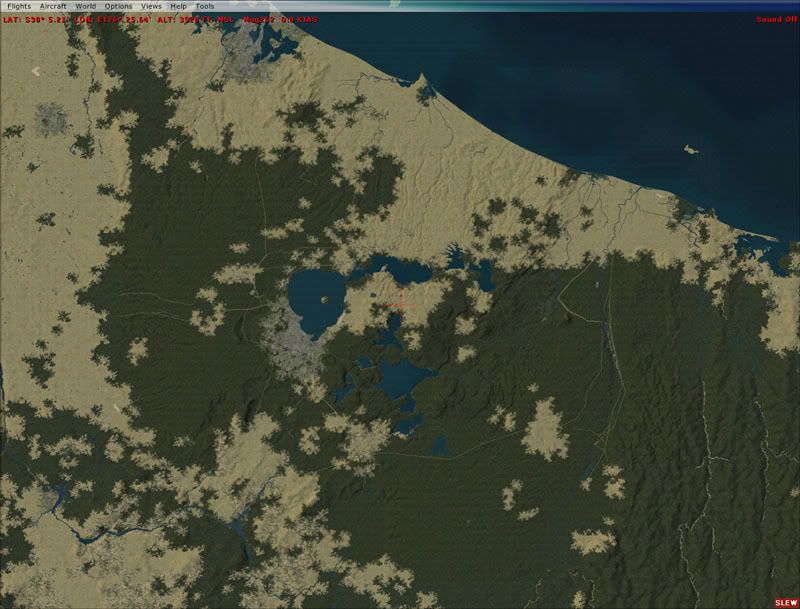

RedBaron
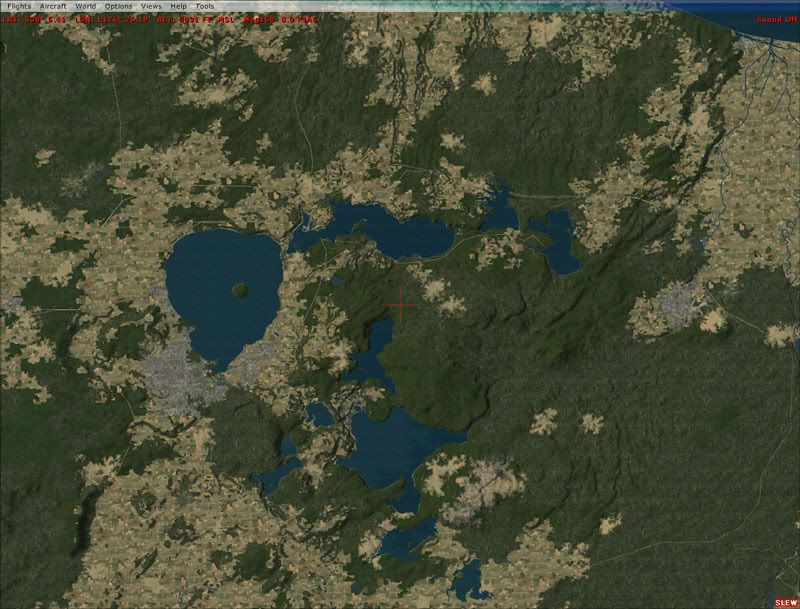

VisualiseIT Vector (Beta)

Ruapehu: Default
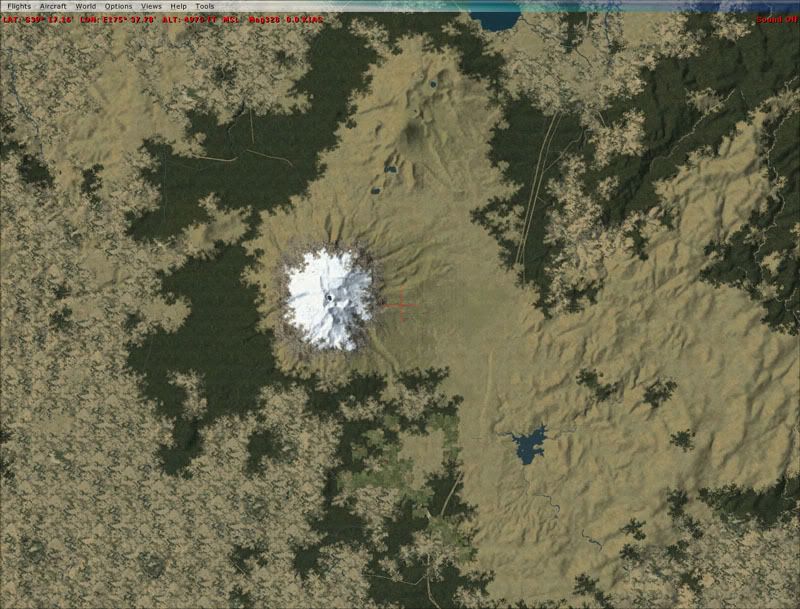

VisualiseIT Vector (Beta)


Near Taupo again: Default oblique
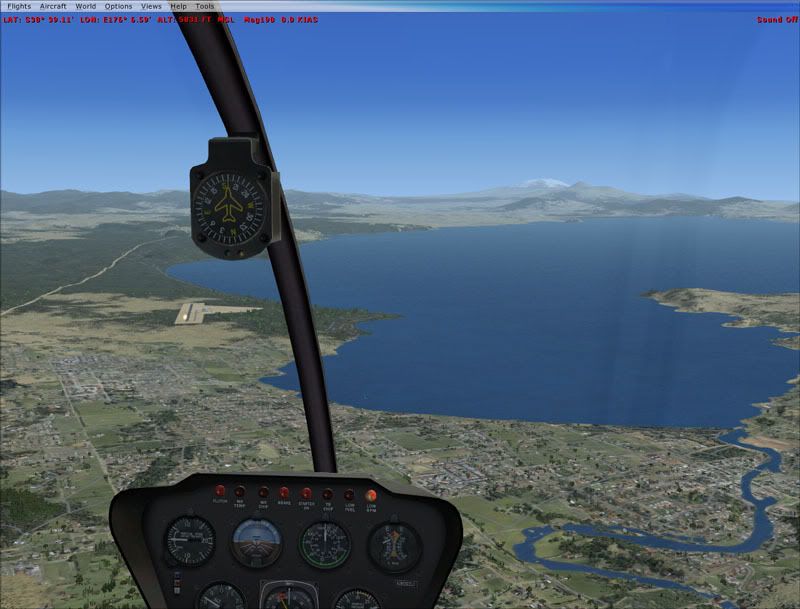


VisualiseIT Vector (Beta)
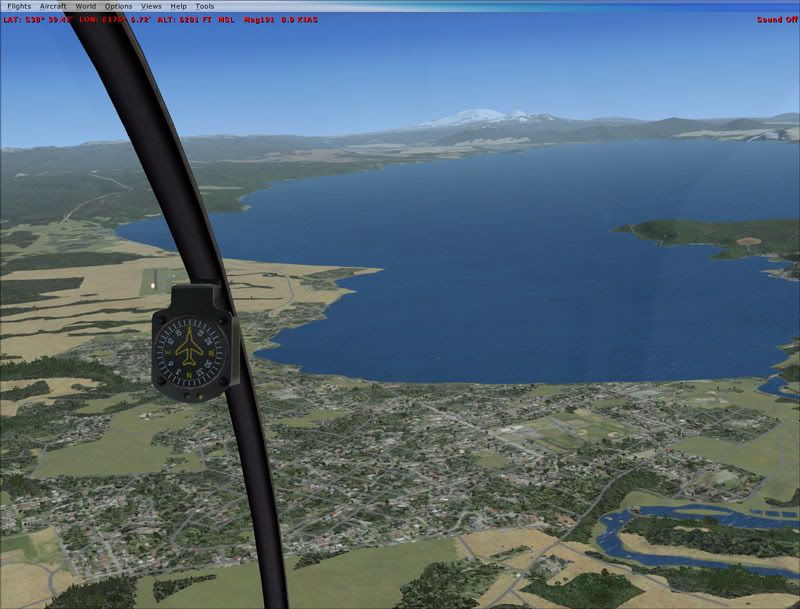
PostPosted: Sun Oct 07, 2007 9:31 am
by Charl
Timmo that looks like serious stuff you've embarked on.
Looking at the Taupo series:
Do you use aerial photo data & transform it into vector landclass, without actually presenting photoreal imagery?
What of the textures themselves - the biggest issue in NZ is the FSX desert flavour to everything.

PostPosted: Mon Oct 08, 2007 6:53 am
by Timmo
This is just conversion of exisiting vector data which was processed by LandCare from Satellite imagery. It is a nationwide data set at a 1:50 000 scale captured in 2003.

So it does relate well to aerial photography but it wasnt captured manually.....this project will only correct the landclass- Fixing the textures is another project in itself. Correcting the landclass will allow me to choose the best looking texture from the default ones.

PostPosted: Fri Oct 26, 2007 1:14 pm
by Timmo
Update:

Ive decided to release this via region to a) keep file sizes down b) so the Shp2Vec doesnt spit dummy and C) so I can release areas as finished.

Northland and Auckland is mostly done. Bay of Plenty/East Cape needs a bit more tweaking as does the rest...


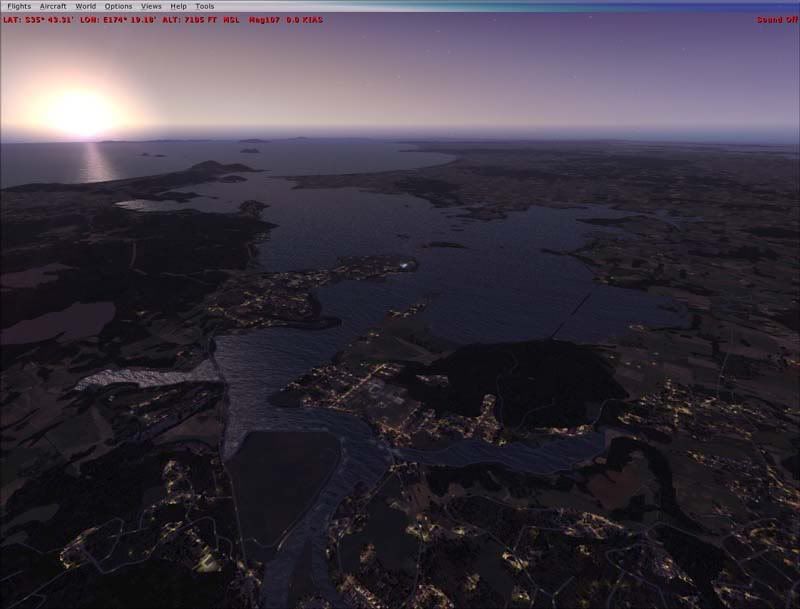
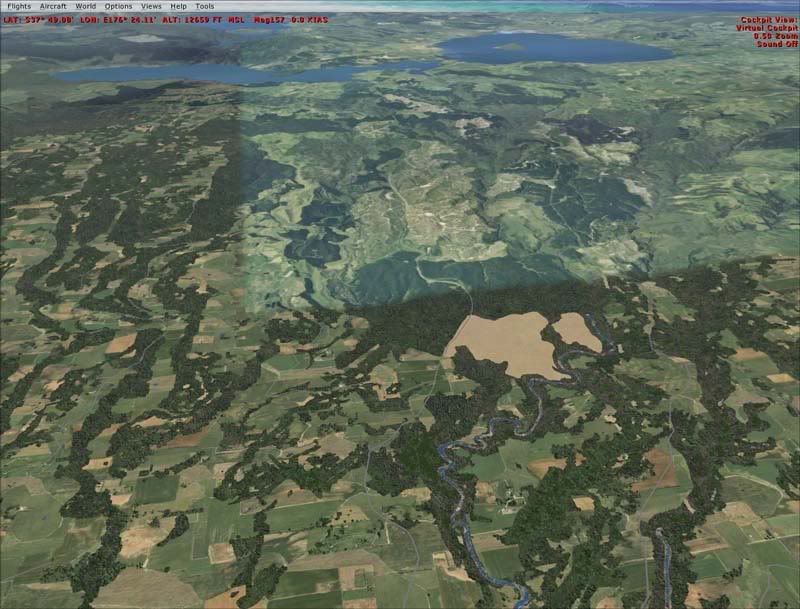
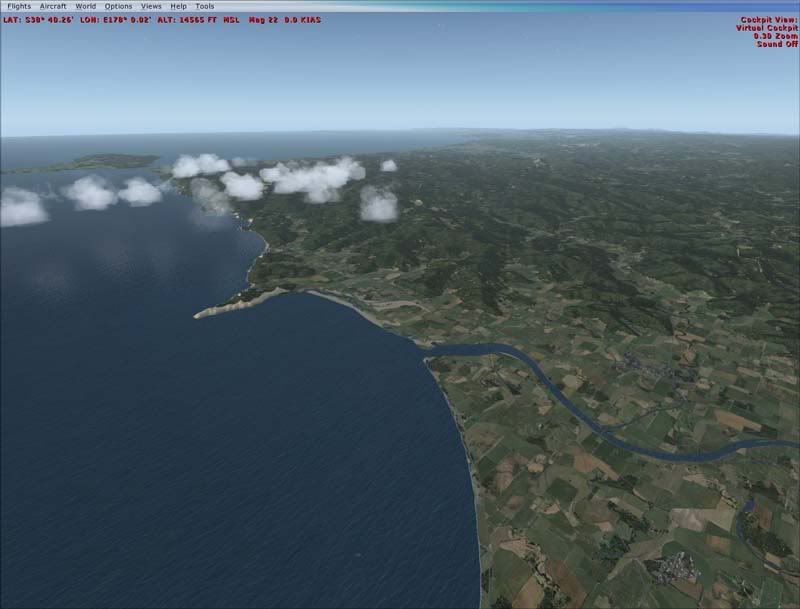
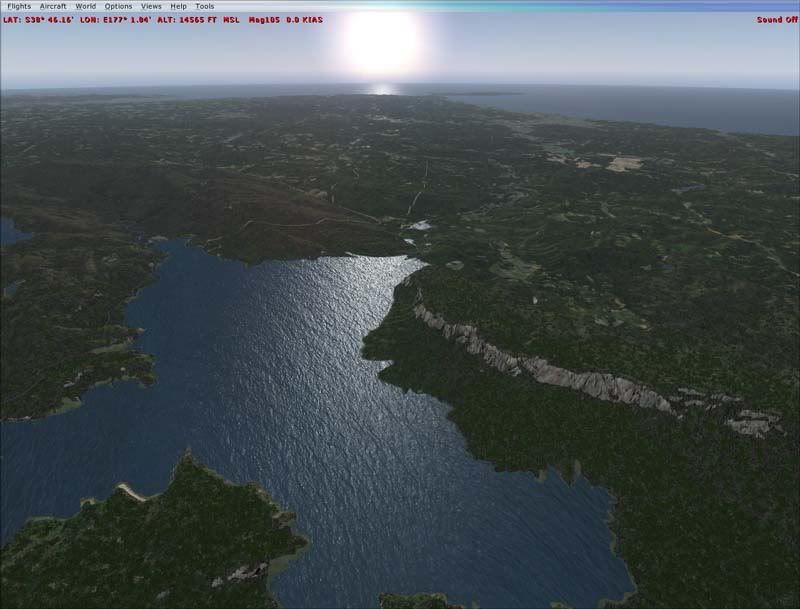
Here are some more screenshots (Version 2)- These are taken in summer which is quite green.

Auckland


Northland


Whangarei


Rotorua


Notice the better blend between photoreal and the landclass


Young Nicks Head, Gisborne


Lake Waikaremoana


Im just waiting for final sign off from the Ministry for the Environment who wanted to approve the scenes and documents and then ill get ready for release. At the moment this is only for the North Island but im trying to get a supply of the South Island data too.

Cheers

PostPosted: Fri Oct 26, 2007 5:50 pm
by ardypilot
Very nice- thats starting to look more like fs2004 now tongue.gif

PostPosted: Wed Nov 07, 2007 9:22 pm
by G-HEVN
With this, we almost don't need photoscenery! cool.gif

QUOTE
thats starting to look more like fs2004 now tongue.gif[/quote]
You're just jealous! laugh.gif

PostPosted: Thu Nov 08, 2007 6:00 pm
by Alex
Wow, missed this before - looks simply awesome Timmo; great work! clapping.gif

Alex

PostPosted: Wed Dec 12, 2007 1:21 pm
by kiwibarguy
Wowee!!! That is awesome!! We all will benefit from your hard work.

Thank you for doing this! it looks great!! :clap: :clap: :clap: :clap: :drool:

I grew up in Whangarei and am so happy to see all the buildings are where they should and shouldn't be. Well done!

PostPosted: Fri Dec 14, 2007 11:31 am
by Timmo
UPDATE: There could be a further delay to this project unfortunately. I was liasing with someone from the Ministry for the Environment who ive been trying to get hold of for the last month with no success. I just found out today that he is no longer working for them (his voicemail gave no indication of this....I just assumed he was very busy).

So ill need to wait until his replacement gets in contact with me so I can get final permission to release.

Furthermore, im starting a new job in Auckland in January so will be very busy with that for a while...

PostPosted: Fri Dec 14, 2007 11:38 am
by kiwibarguy
Great things are always worth waiting for. :D :D :D

PostPosted: Fri Mar 07, 2008 8:18 am
by Timmo
Good news- Ive managed to get in contact with someone from MfE who is aware of the project and who has agreed to sign off on it. I just need to resend him the details (screenshots, EULA etc) for final sign off.

Then its a case of re-establishing the project and re working the rest of the data- This may take a bit of time as, with the new job, I dont have access to FSX on my work PC for testing.

Initially it will only be data for the North Island as that is all I have: Ill do my best to source South Island data when the North Island has been released and approved (MfE is only the custodian of the data, Terralink actually supplies it.....they might be reluctant to supply it to me until I have the sign off from MfE)

Since the data is large (a lot larger than a raster based LandClass) ill probably release it in three or four parts/downloads.

PostPosted: Fri Mar 07, 2008 1:24 pm
by Charl
Timmo wrote:
QUOTE (Timmo @ Mar 7 2008, 09:18 AM) <{POST_SNAPBACK}>
... the data is large (a lot larger than a raster based LandClass)...

That's counter-intuitive - what's the effect on performance then?

PostPosted: Fri Mar 07, 2008 3:34 pm
by Timmo
Not too sure what you mean by counter-intuitive in this instance Charl? Higher accuracy/quality will almost always result in larger file sizes?

Too early to say what the effect on FPS will be....its been a while since ive been working on it. I dont think it impacted too much on frame rates but if you have a slow HDD you might see blurries a bit more?

It doesnt take too many 1.2km pixels to cover the country, that is why the default landclass and Christians landclass are very small files. If FSX had given us the ability to increase the resolution of the landclass pixels, then I would have considered using that method....but they didnt and trying to accurately define changes in landcover using pixels which cover 1.2kms doesnt really work.
So, using vector polygons is the only way that I can see to get accurate landclass information in the absence of aerial photography

Vector data has, in effect, unlimited resolution (but limited accuracy) but the trade off is you have to store every a list of every vertice, plus the attributes for each polygon in the file (i.e. lots of data). With raster data all you need to store is a definition of the pixel size, the number of cols and rows and then a matrix of the values.....so, raster landclass as a method is fine. The limitation is in that silly 1.2km resolution limit which is a hangover from FS9

It all comes down to not being able to get something for nothing :)

....im not sure if that really answers your query but if not, ask some more and ill do my best to answer :)

PostPosted: Fri Mar 07, 2008 3:41 pm
by Riddlez
Wow I just found this topic, this Landclass looks very impressive. :drool: I can't wait till it comes out.
I had a close look at your Taranaki screen shot you posted and it looks like Pukekura park is finally in the centre of New Plymouth, fantastic! :lol:

PostPosted: Fri Mar 07, 2008 9:21 pm
by Charl
Timmo wrote:
QUOTE (Timmo @ Mar 7 2008, 04:34 PM) <{POST_SNAPBACK}>
Not too sure what you mean by counter-intuitive in this instance Charl? Higher accuracy/quality will almost always result in larger file sizes?...
....im not sure if that really answers your query but if not, ask some more and ill do my best to answer :)

Pretty much does, thanks Timmo.
Apples vs apples, I would have expected vector data to be an order of magnitude smaller than raster of the same resolution, though.
Would that be correct?

PostPosted: Mon Mar 10, 2008 10:17 am
by Timmo
hmm well its gets tricky as 'resolution' is a word that only relates to raster data....so its not really possible to compare the two using that measure of quality. Maybe minimum mapable unit (MMU) could be used. This usually relates to vector data but could be used to describe raster date- It just is a measure of the smallest feature that would be represented by that data.


Take for example, a football field- Our task is to accurately represent the markings on the field using either raster or vector data:

Using vector data we can draw a simple rectangle, code that as grass and draw the markings as polygons and code them as lines....because the data is quite 'simple' (i.e. straight lines = very few vertices) the resulting data is very small.

One of the good things about vector data is that data only needs to be stored in the vertices (plus an attribute table...in this example it is very small)...so you could have a very 'accurate' boundary defined by vector polygon which covers a large area but only takes up a small amount of disk space.

To cover the same area with a raster could be done but in order to show the field markings in the raster accurately, you would need a ground resolution of at least the width of the line..probably double that (i.e. field markings might be 5cm so you'd need 2.5cm resolution imagery) So now you have a very large raster dataset but only because you needed to capture those thin field lines! The thousands of 2.5cm pixels covering the rest of the field are all just grass....Image compression will get around this somewhat but the limitation is that your whole dataset is constrained by the resolution- If the resolution is too high, the dataset is too large and has a whole lot of areas that are 'wasting pixels'. If it is too low, those features are simply missed.

So in this case, Vector data comes out on top....If the area we were trying to represent was very complex, with many 'curvy' features, then raster data might be better. This is because, for a basic shapefile (which feeds into shp2vec.exe) each vertice is actually stored twice for features that sit next to each other.....so with very complex data, the space needed to store these double ups soon gets quite large.

The ultimate solution?

hmm well I see a few for FS:
1) Increase the resolution of raster landclasses (I think 100m would suffice)
2) Allow blending of vector landclass polygons to get rid of the patchwork effect (but blend over a small area otherwise you are loosing accuracy)


3) Use both!..This is something ive considered but havent tested yet. For example: Waikato is mostly farm land so this area could be defined using raster landclass (small files but innacurate) as the 'base layer' and then add the extra vector landclass polygons on top where needed- This will get around a lot of the 'doubling up' of vertices...

PostPosted: Wed Jul 30, 2008 3:54 pm
by Kelvinr
Hi Timmo,

I see that the last post was some months back. Do you have an update as to when this amazing landclass project will be complete?

Kelvin

PostPosted: Sat Aug 09, 2008 12:07 pm
by Timmo
I dont unfortunately- I havent heard back from MFE for a long time. I am working on another, more ambitious project however. This is still a bit too early to announce though.

Its likely this will be canned I have to say

PostPosted: Sat Aug 09, 2008 3:34 pm
by NZ255
Timmo wrote:
QUOTE (Timmo @ Aug 9 2008, 12:07 PM) <{POST_SNAPBACK}>
I dont unfortunately- I havent heard back from MFE for a long time. I am working on another, more ambitious project however. This is still a bit too early to announce though.

Its likely this will be canned I have to say

CANNED !!! ohmy.gif

PostPosted: Sat Aug 09, 2008 4:40 pm
by spongebob206
NZ255 wrote:
QUOTE (NZ255 @ Aug 9 2008, 03:34 PM) <{POST_SNAPBACK}>
CANNED !!! ohmy.gif


whathesaid.gif
Ahhhhhhhhhhhhh