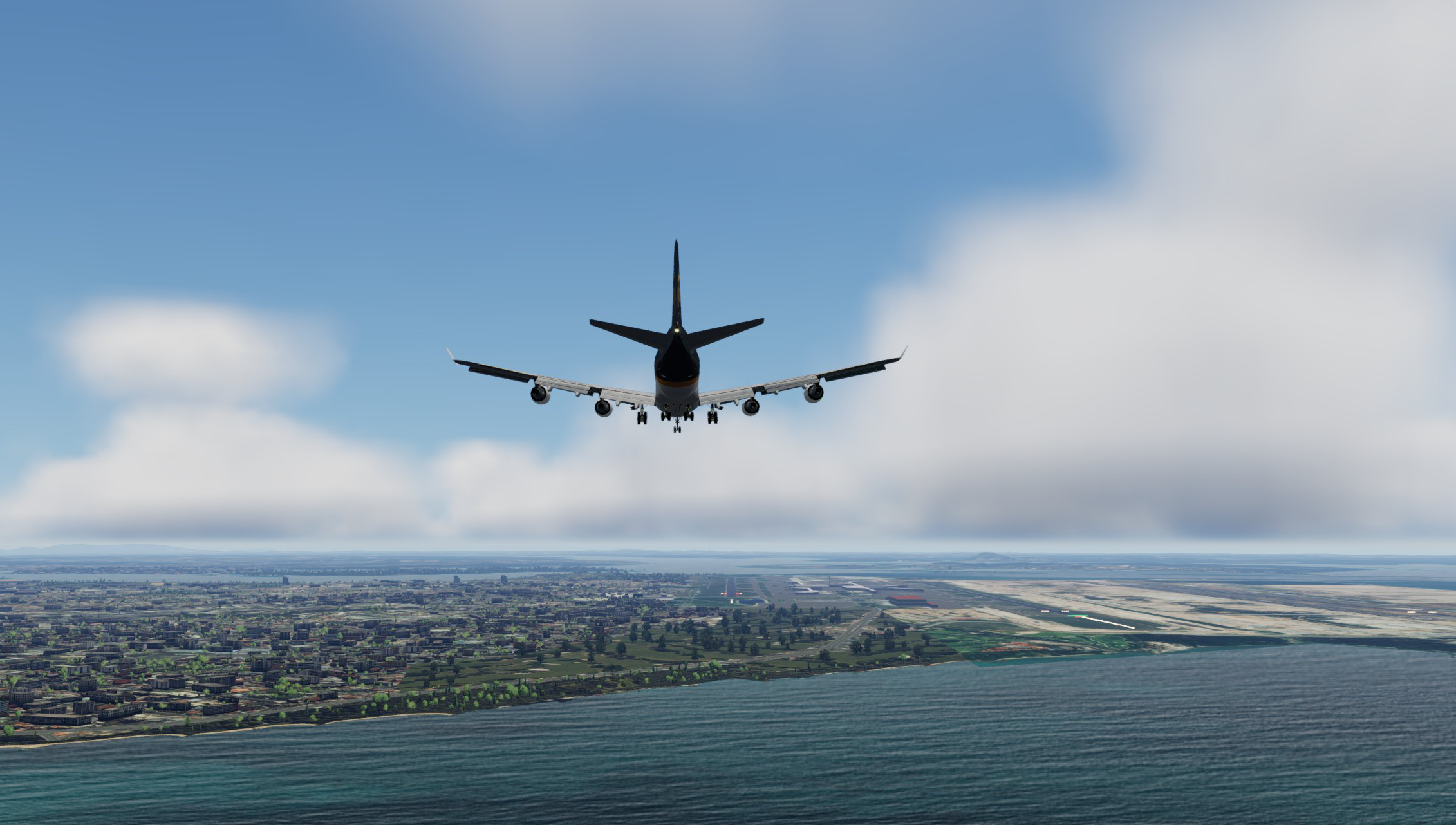
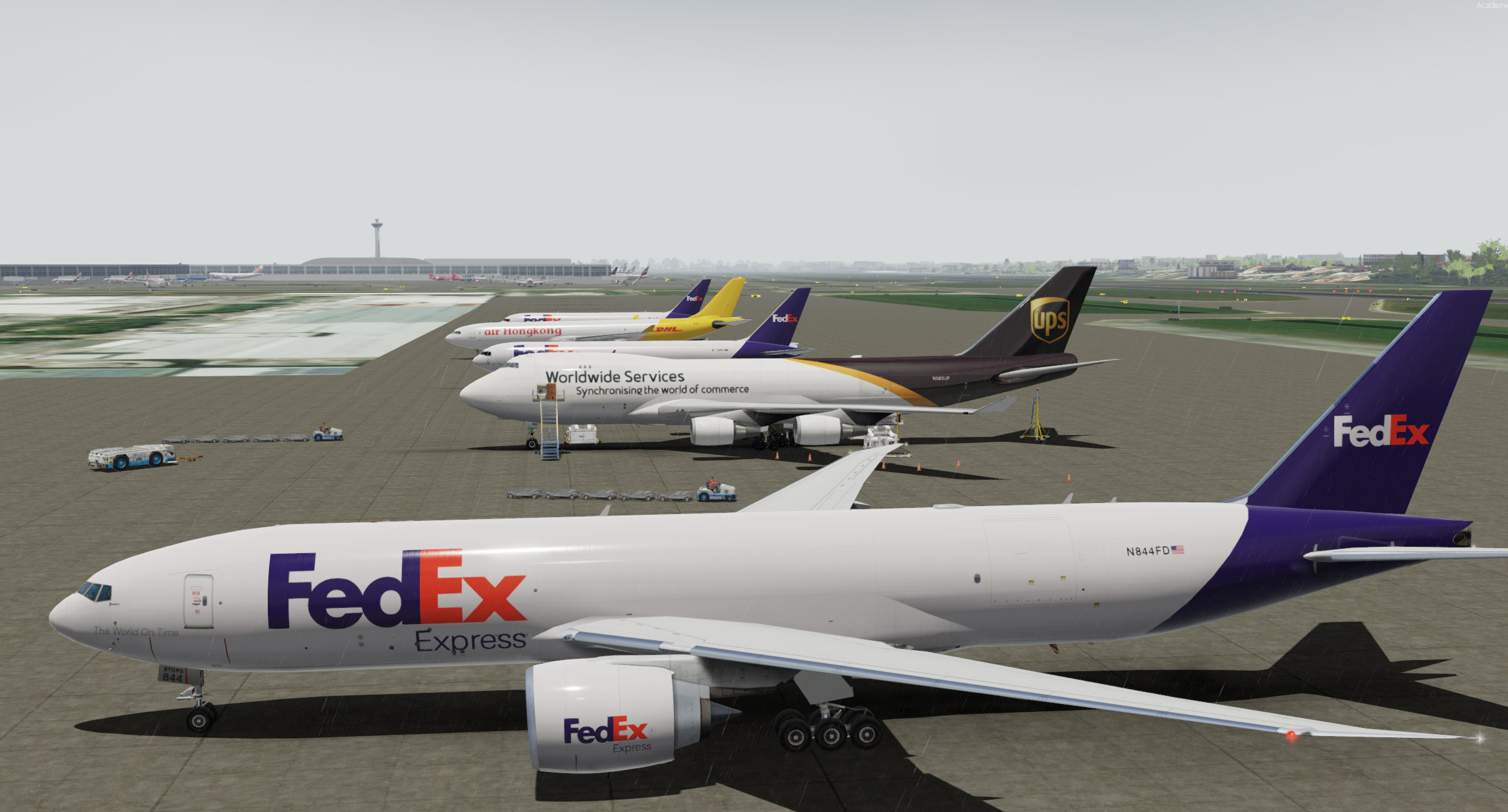
Back to the future. A review of the Project Opensky 747 for use in P3D in the 2020's
 Posted: Sun Jan 15, 2023 10:41 pm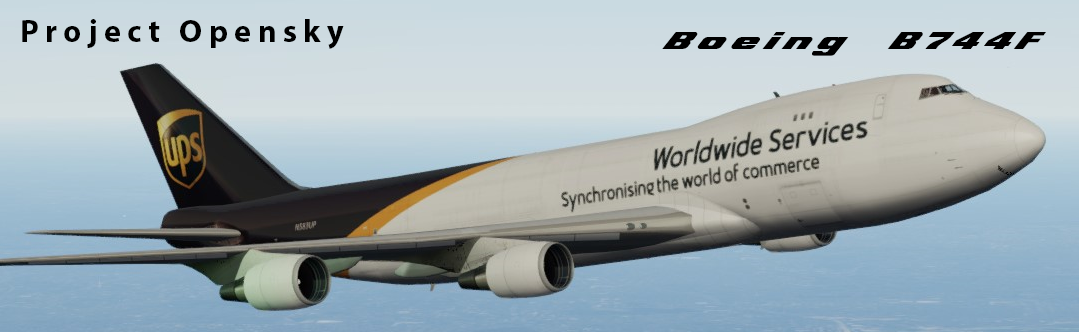
It's one thing to fly an older freeware airframe for nostalgic reasons and put up with it's niggles to simply enjoy the experience, but its another to fly something that looks the part but its systems, performance or stability are so bad the experience turns out to be frustrating or disappointing enough you vow to never do it again.
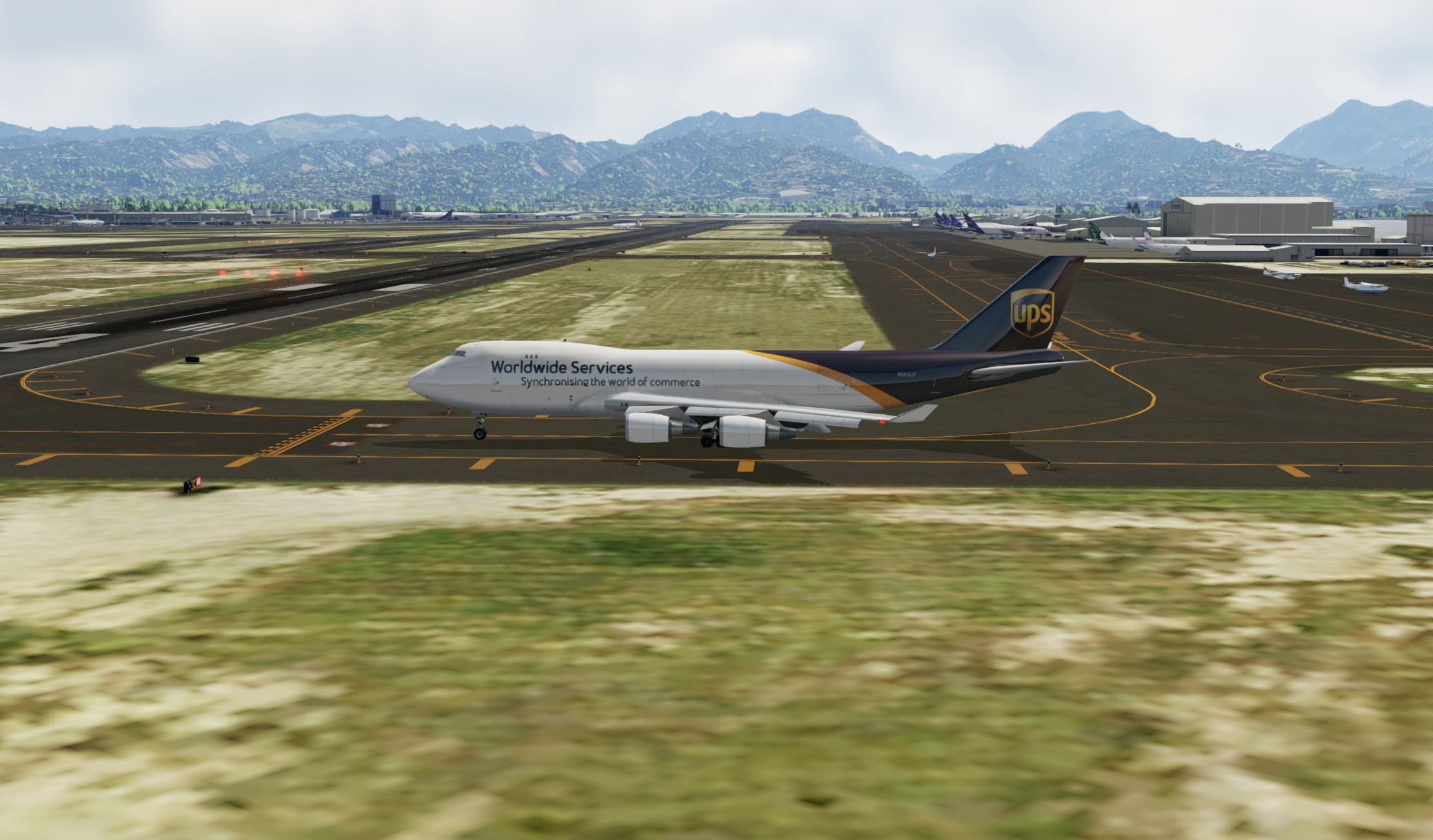
One such aircraft for me is the Queen of the skies for which we have a couple of marvellous payware offerings, but I've never felt the desire to shell out that sort of money when I'm not sure I'll actually fly the airframe a great deal. I like to fly real world shorter distance cargo routes using small to medium sized freighters like the 737 classics, 757s and 767s. However over xmas I developed a mysterious hankering for some long haul action, so here I am revisiting the Project Opensky (POSKY) Boeing 747-400 as a freeware wide-body option in P3D.
Post table of contents
want a quick link to a specific topic?
- Part 1: Leg 1 and CDU review
- Part 2: the VC / Panel
- Part 3: Leg 2 and Flight and Navigation
- Part 4: Leg 3 and More model discoveries
- Part 5: Panel setup and gauges
- Part 6: Trusting/sourcing the models/FDEs
- Part 7: Leg 4
- Part 8: Leg 5: the "default" CDU/FMC
- Part 9: Leg 6: first night flight, and "another" panel
- Part 10: Leg 7: home to UPS World Port
Project Opensky?
The POSKY 747-400 series models were originally released in 2001 for FS9/2004 soon after the groups initial 767 models (which I still fly in P3D today). Freighter models came out in 2002 along with bug fixes and various improvements to all models for the 2nd generation. The 3rd generation came out in 2003, and an SP model in 2006. In 2007 the fourth and final generation for the 747-400s was released by the team with XML gauges and other changes that make it more performant and ultimately more compatible with P3D. Then in 2011 the team released a 747-800 Freighter and Intercontinental model pair under the project moniker SkySpirit.
Downloads and numerous repaints are available from the usual sites for the 400F (front-end nose loading), converted freighter 400BCF, and 747-800F models, along with passenger variants of each. There is also an active offshoot project with a Facebook page that is continuing to develop and support the 400 classic series (100-300) for FSX and P3D.
The 747 models were originally created by talented and prolific freeware modellers like Hiroshi Igami and were certainly some of the best freeware FDE's and models of their time. They have been tweaked and reconfigured since by Hiroshi and others to run in FSX and most recently Prepar3d.
Along the way the team have also produced models for the 757, 767 and 777 including some military variants. Initially these came out under the POSKY project with models for FS9 and then generally as SkySpirit project models updated or recreated specifically for FSX. Each of these has been well received and supported and are still in common use across the virtual flying world. There's even a 747-400LCF (Dreamlifter) and an 747SP model specifically for the Stratospheric Observatory for Infrared Astronomy (SOFIA) aircraft which will please NZFFer Marty :-)
There are various built-in animations in the models, loads of great 3rd party liveries, paint-kits, 2D and VC panels available as well as sound pack options for the GE, P&W and RR power-plants used to power these beasts.
Some of the talented members of the SkySpirit and POSKY projects have since gone on to form the Tenkuu Developers Studio (TDS) group which have produced some excellent freeware 737 and 787 models for FSX and P3D.
These guys seem to have a thing for Boeings

the Review?
Anyway, enough of the history lesson. Lets get back to the B744F.
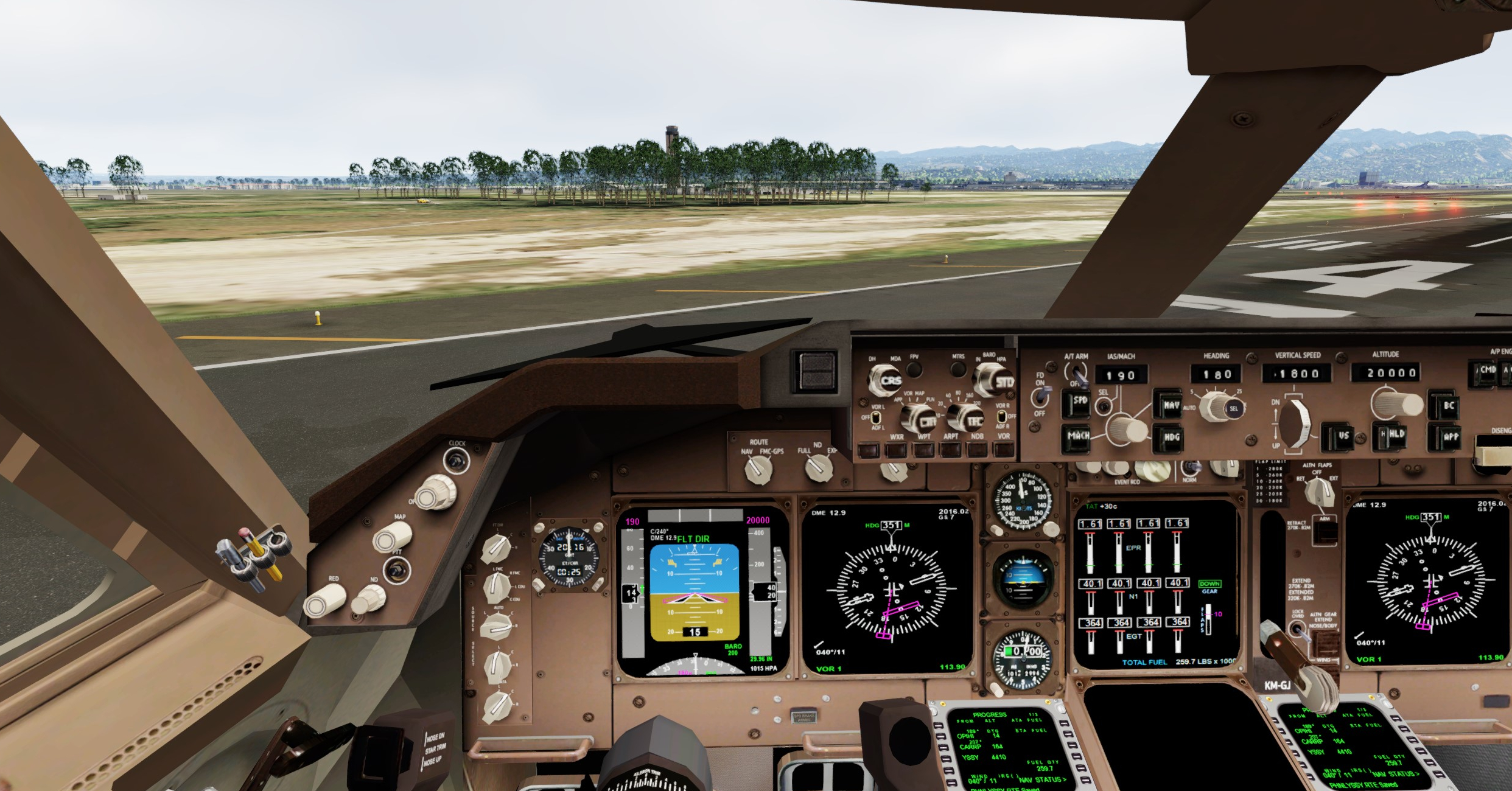
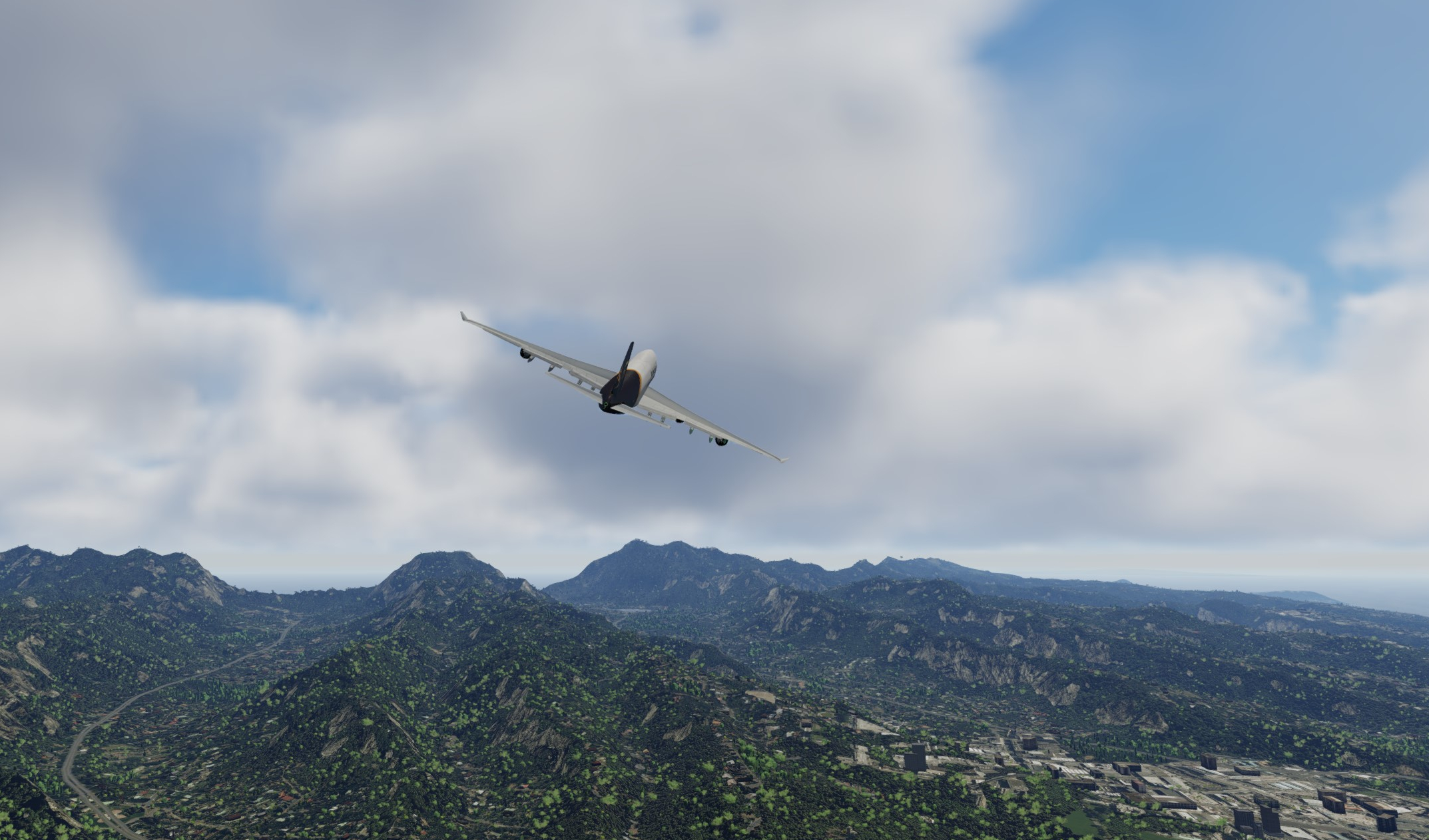
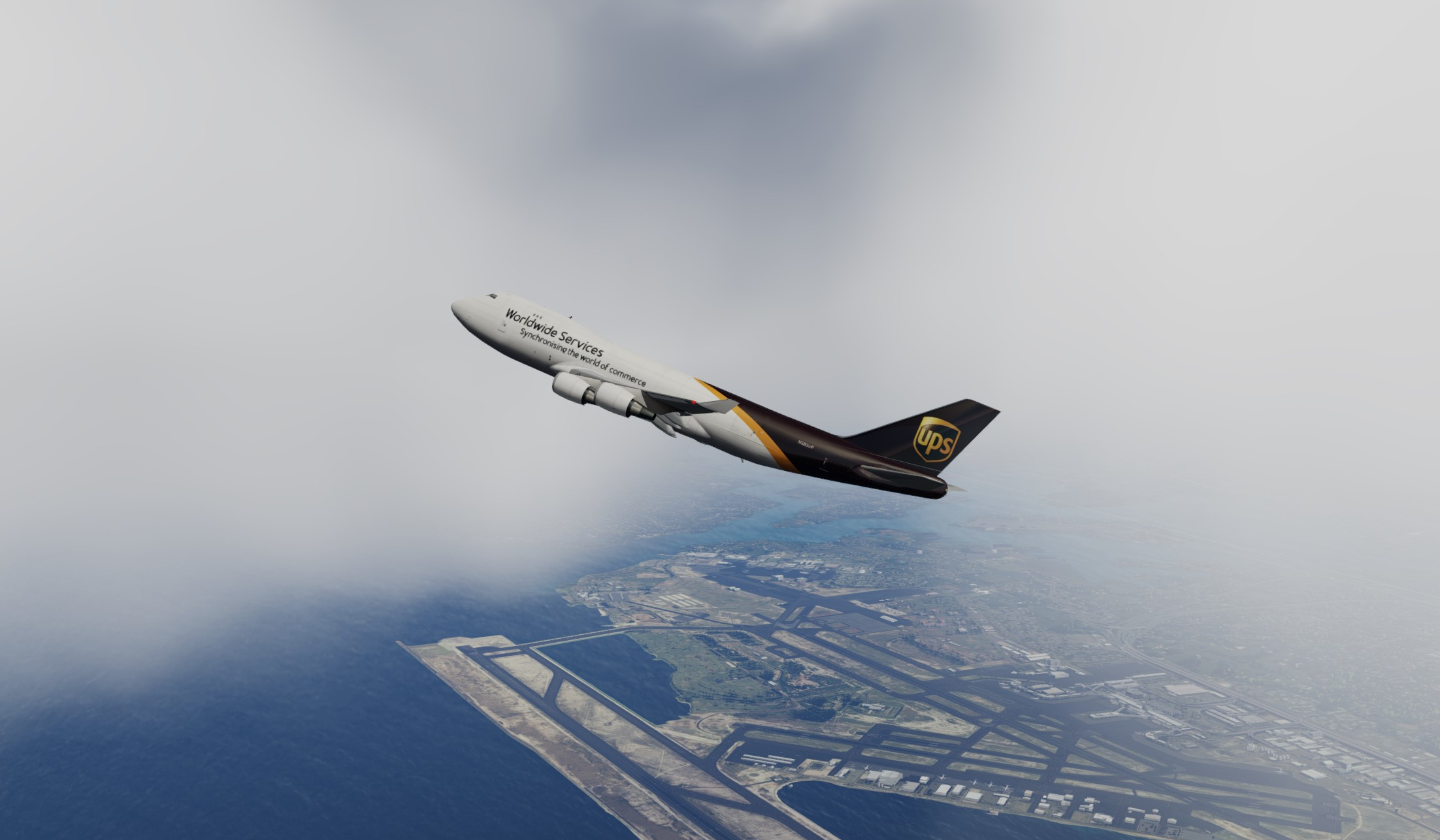
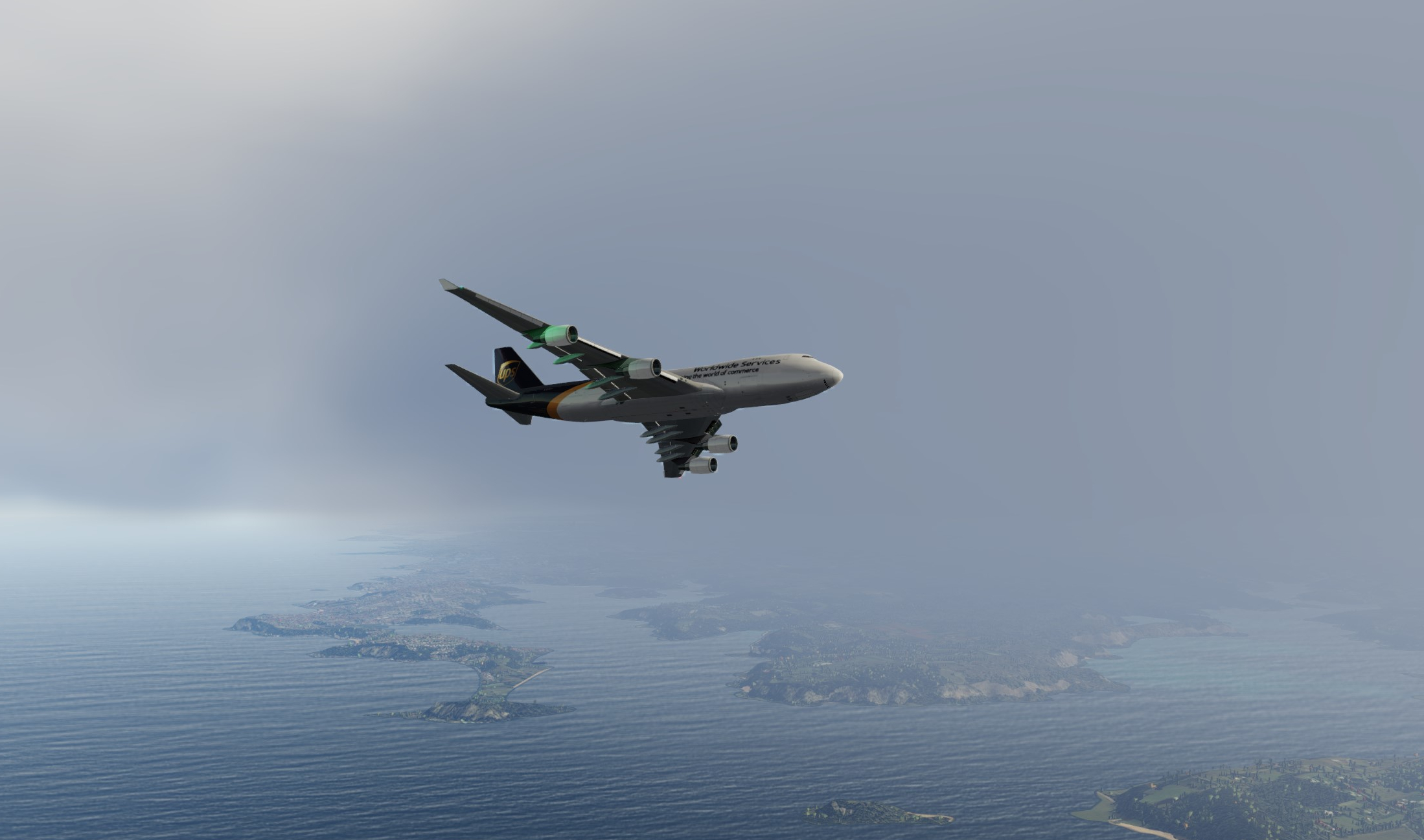
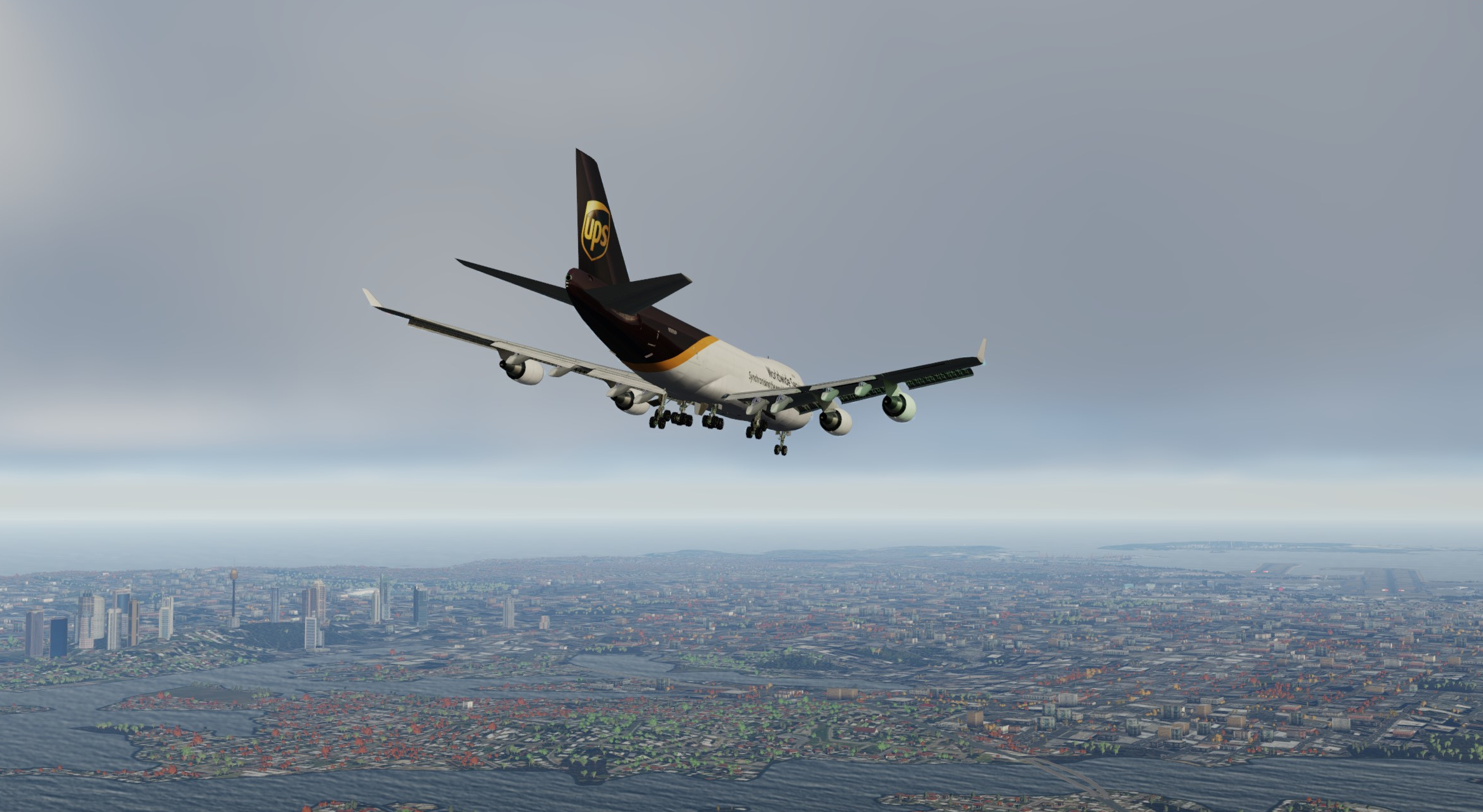
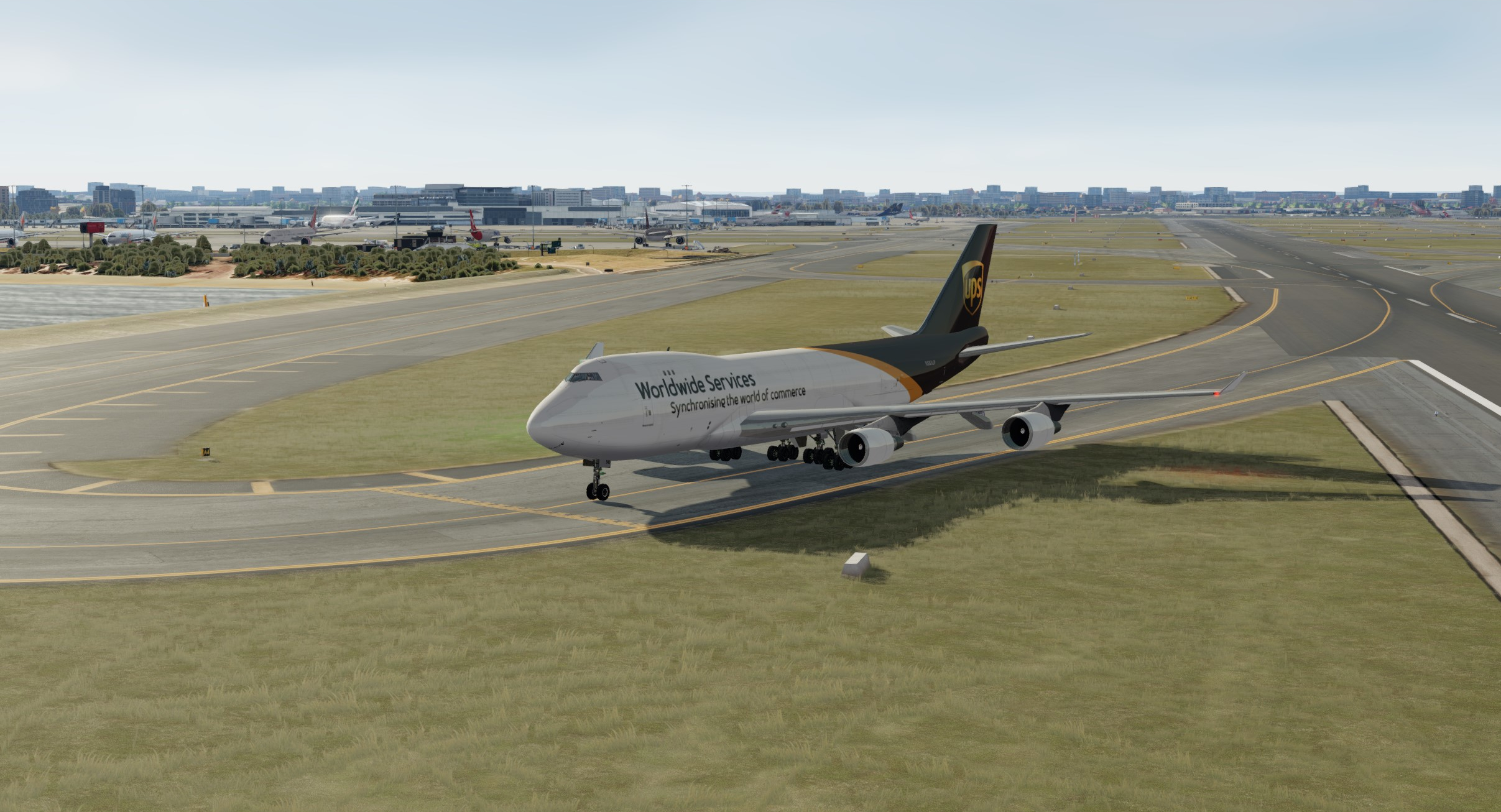
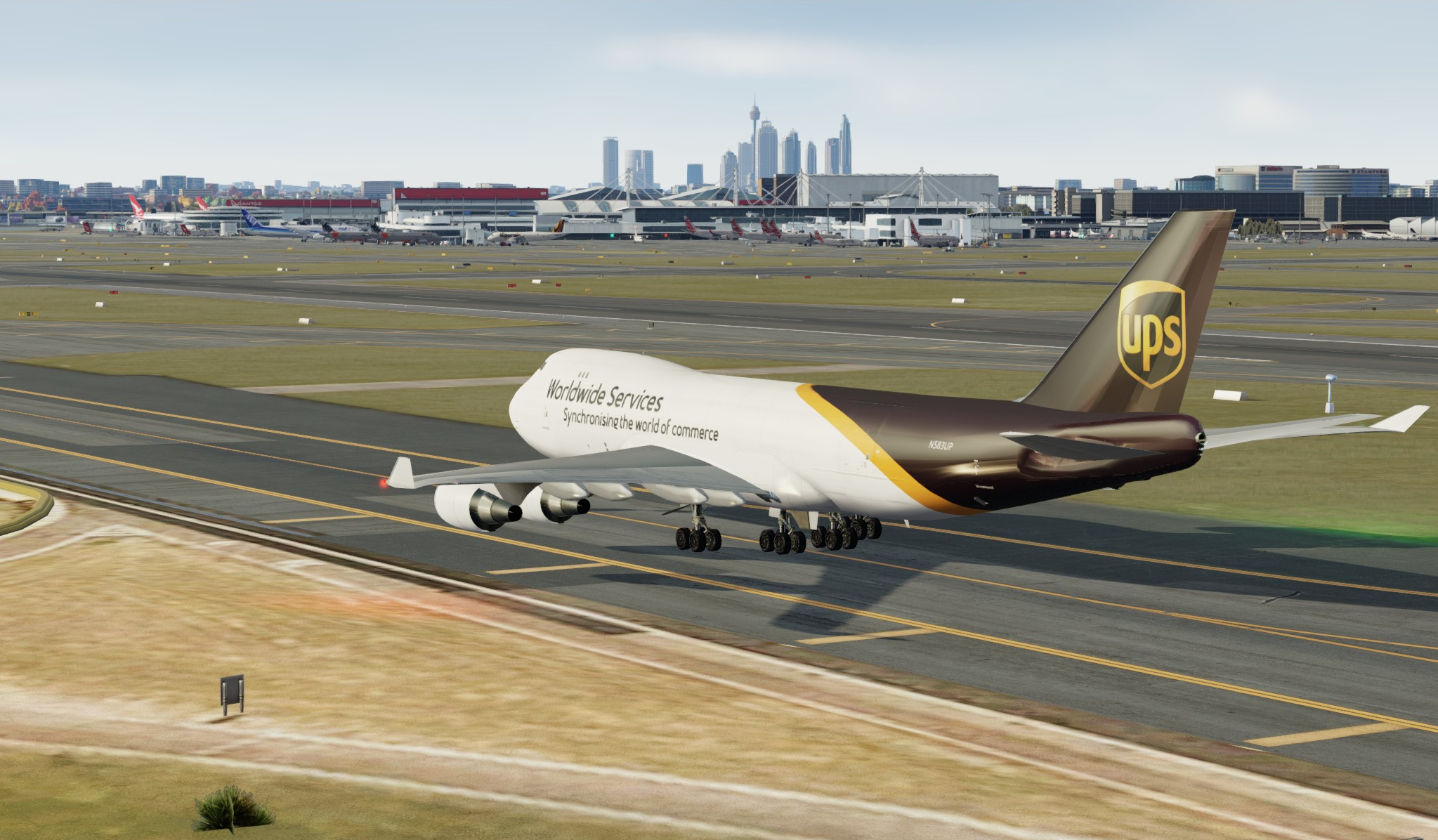
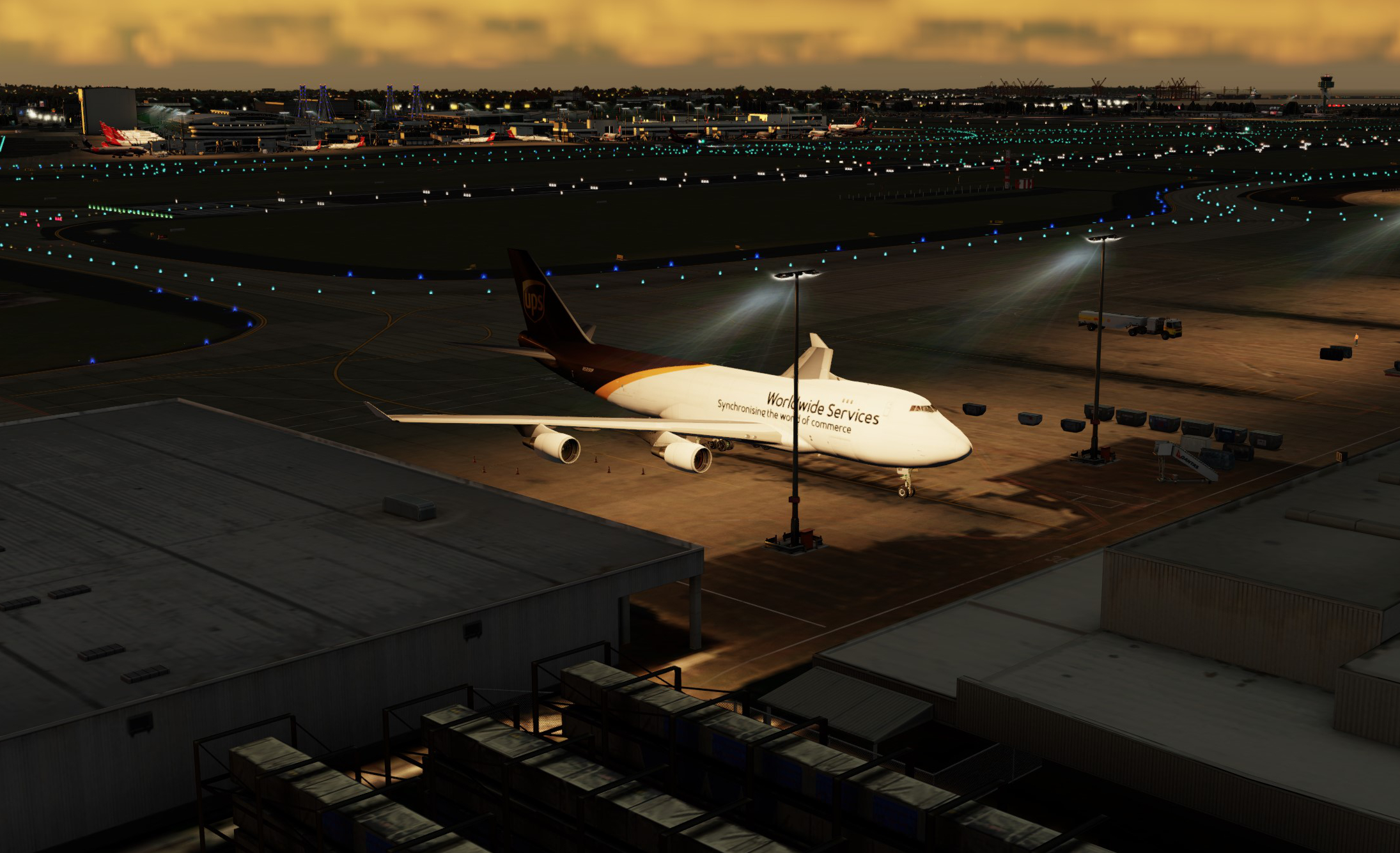
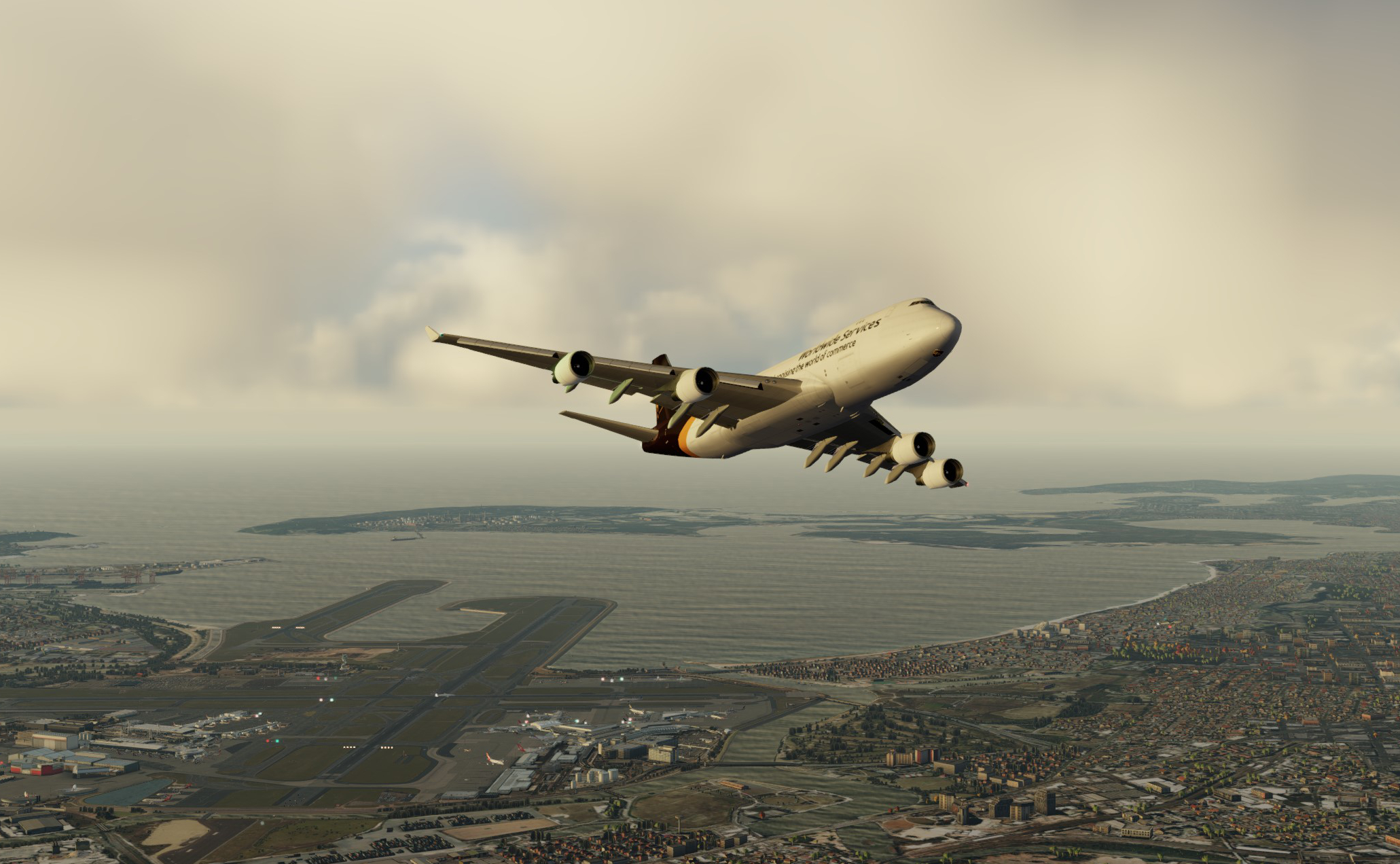
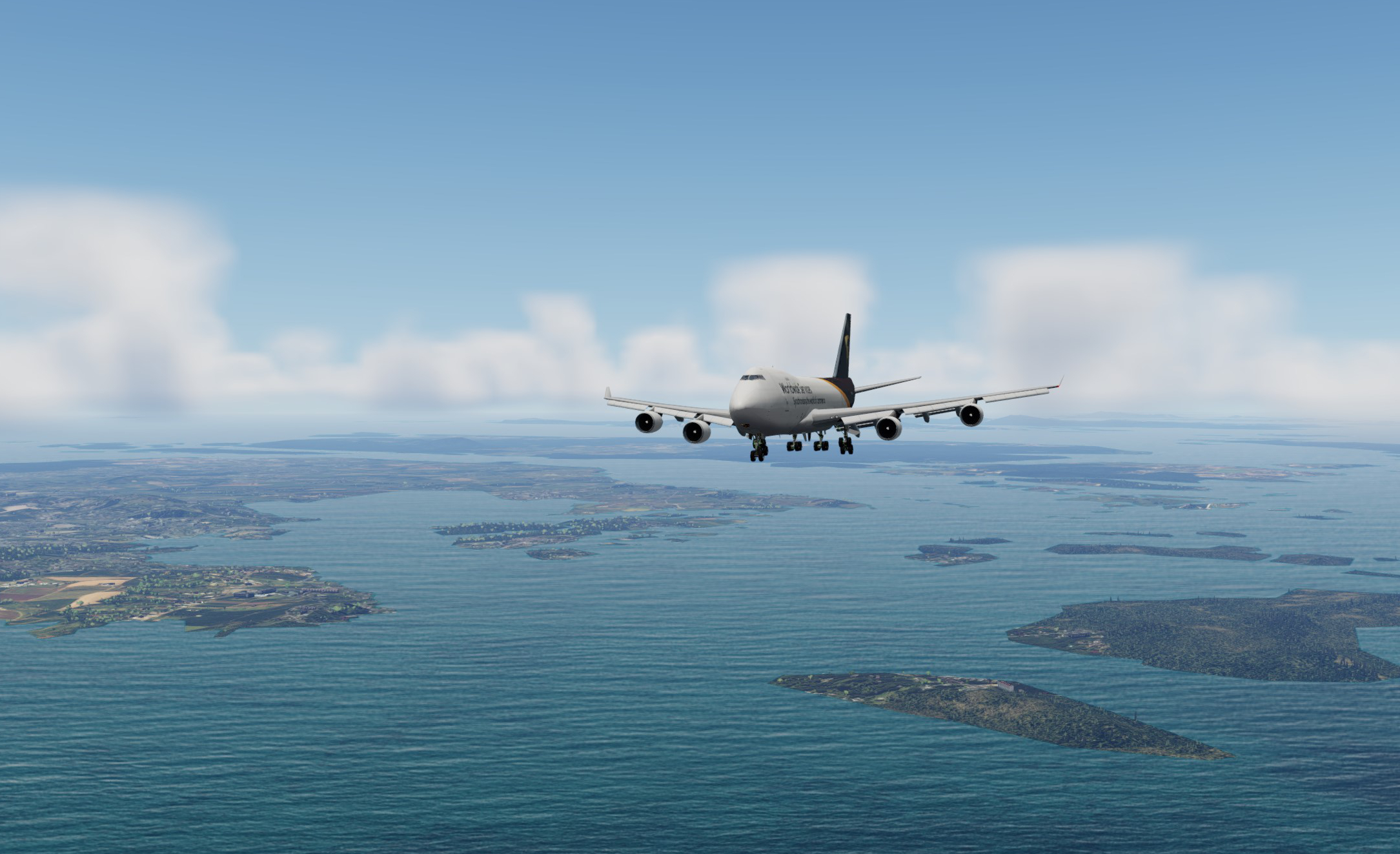
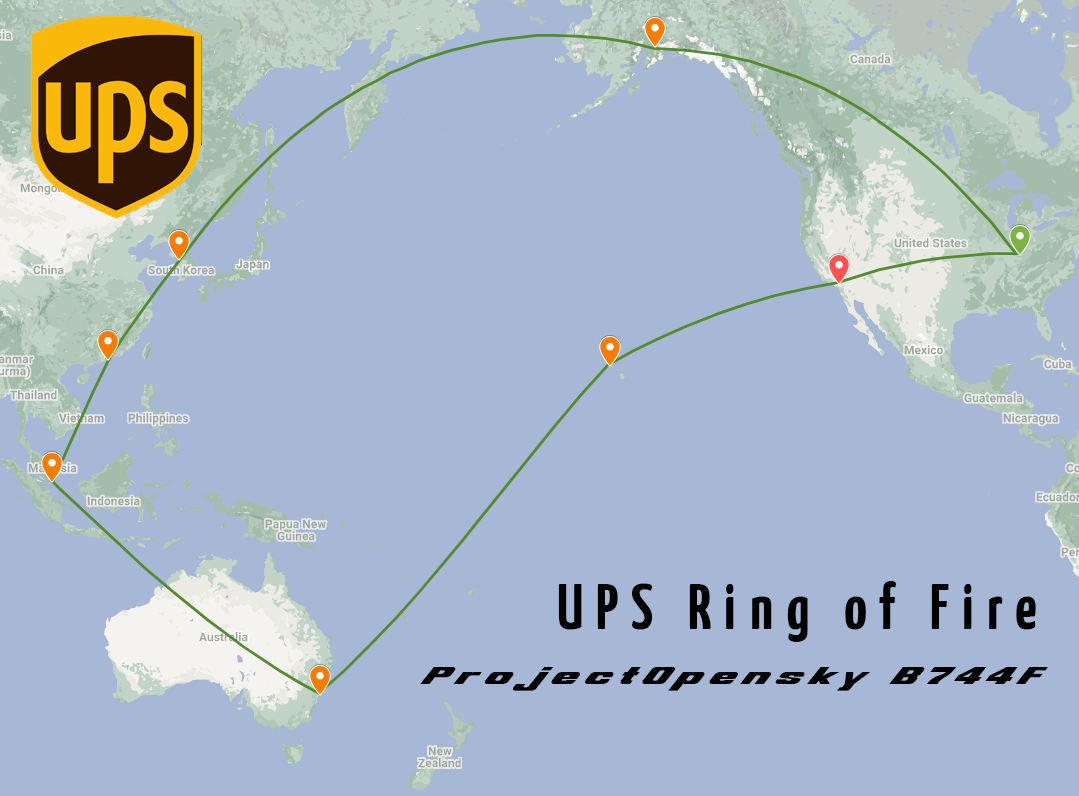
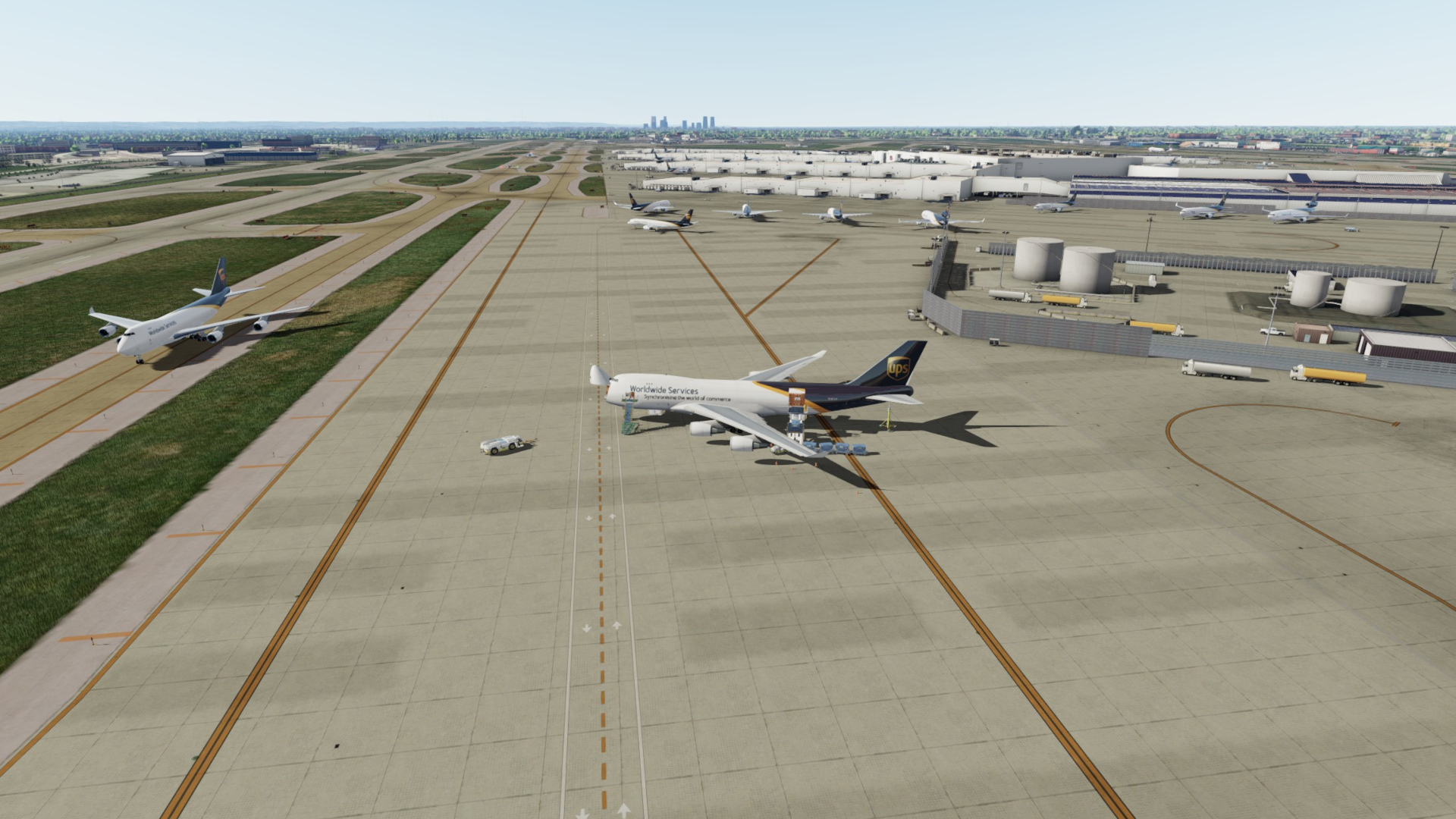
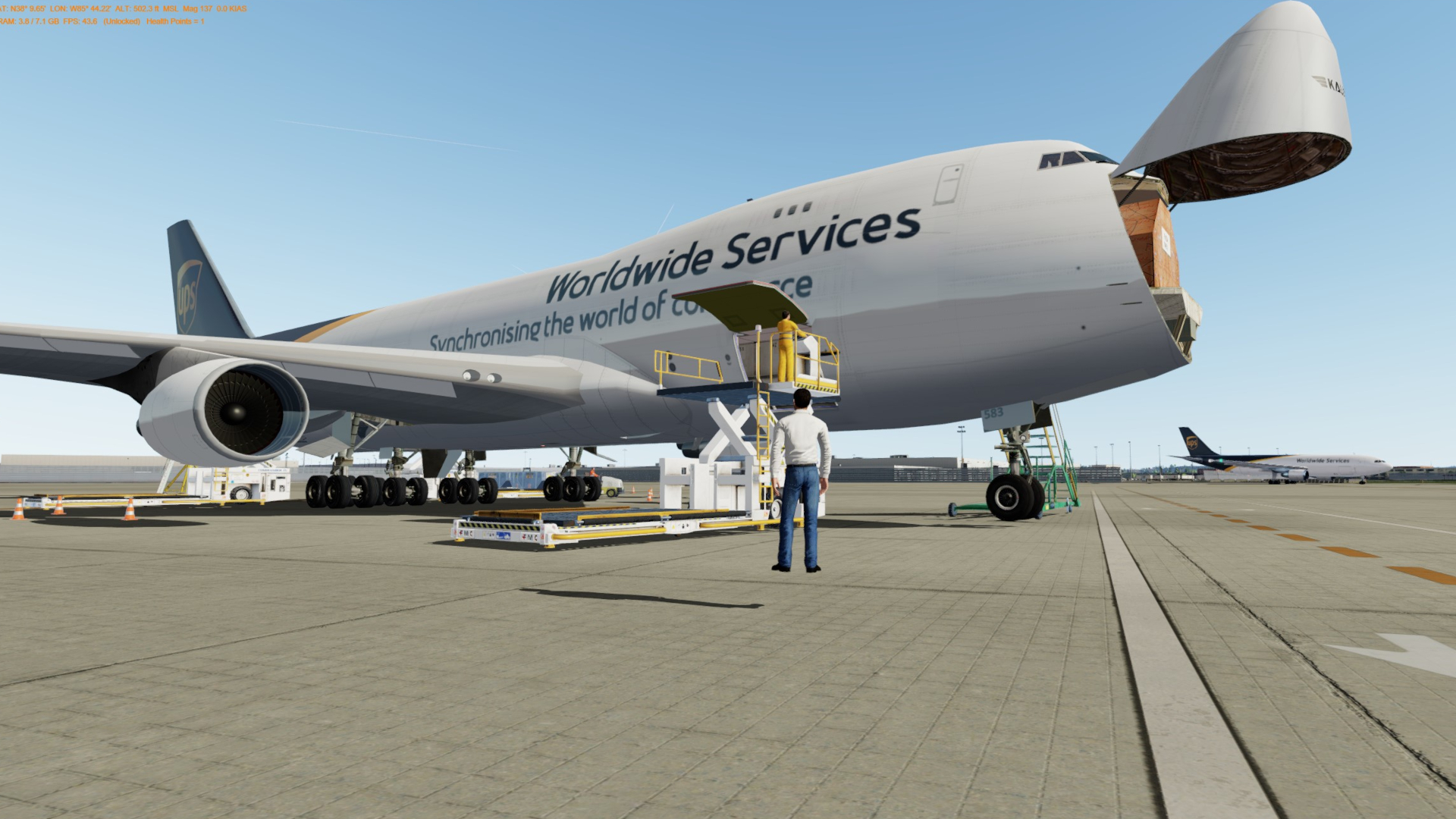
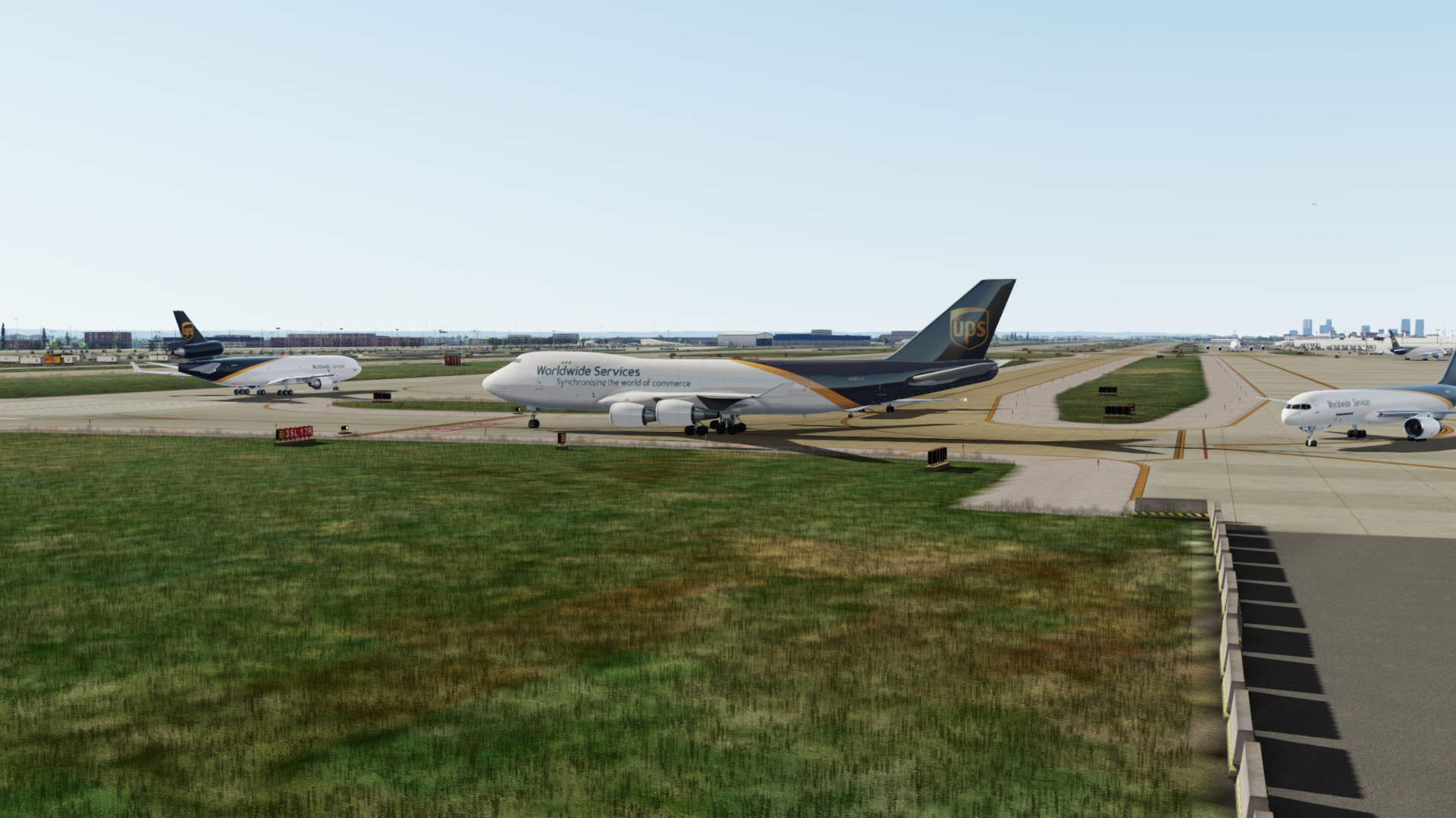
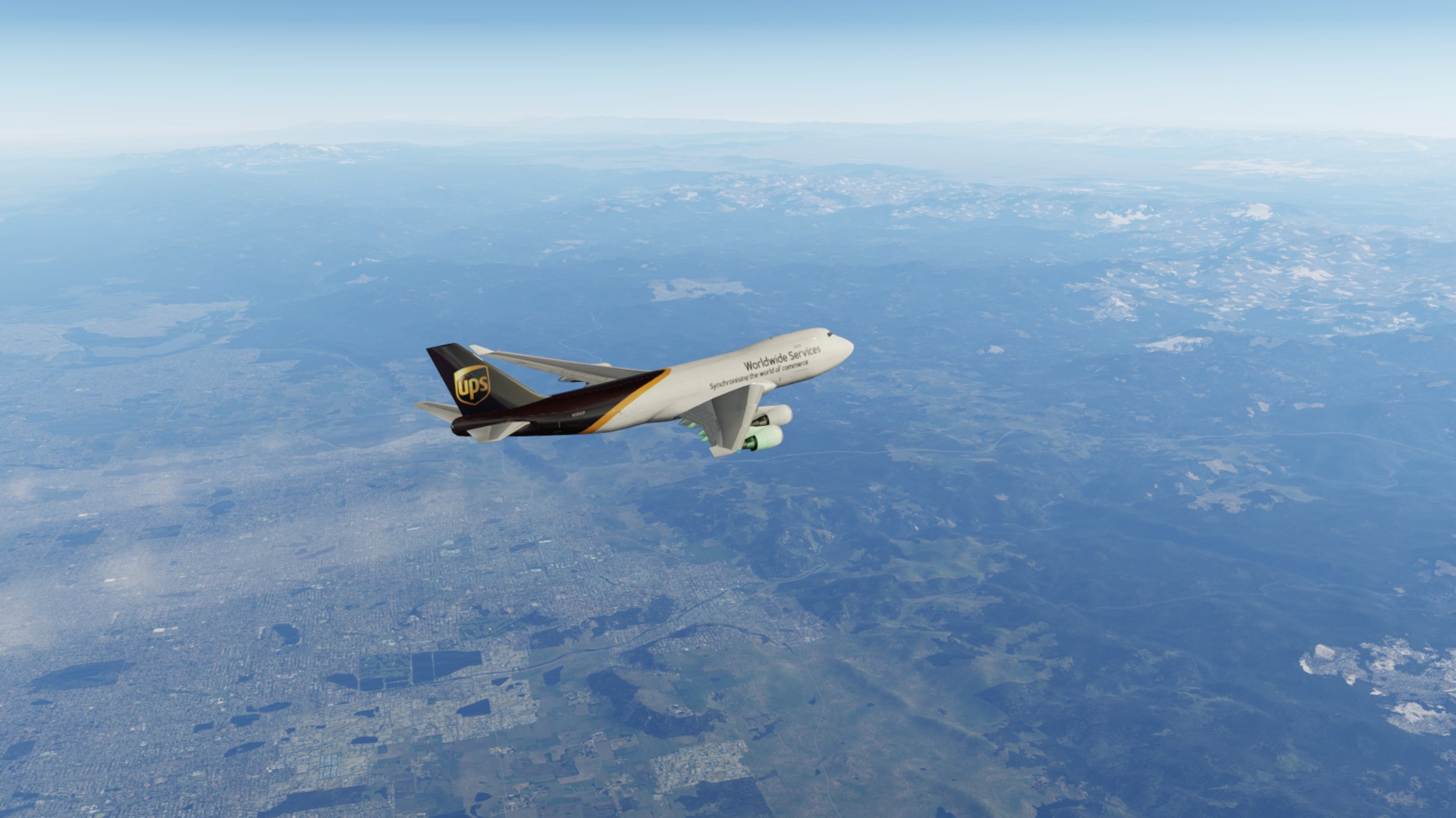
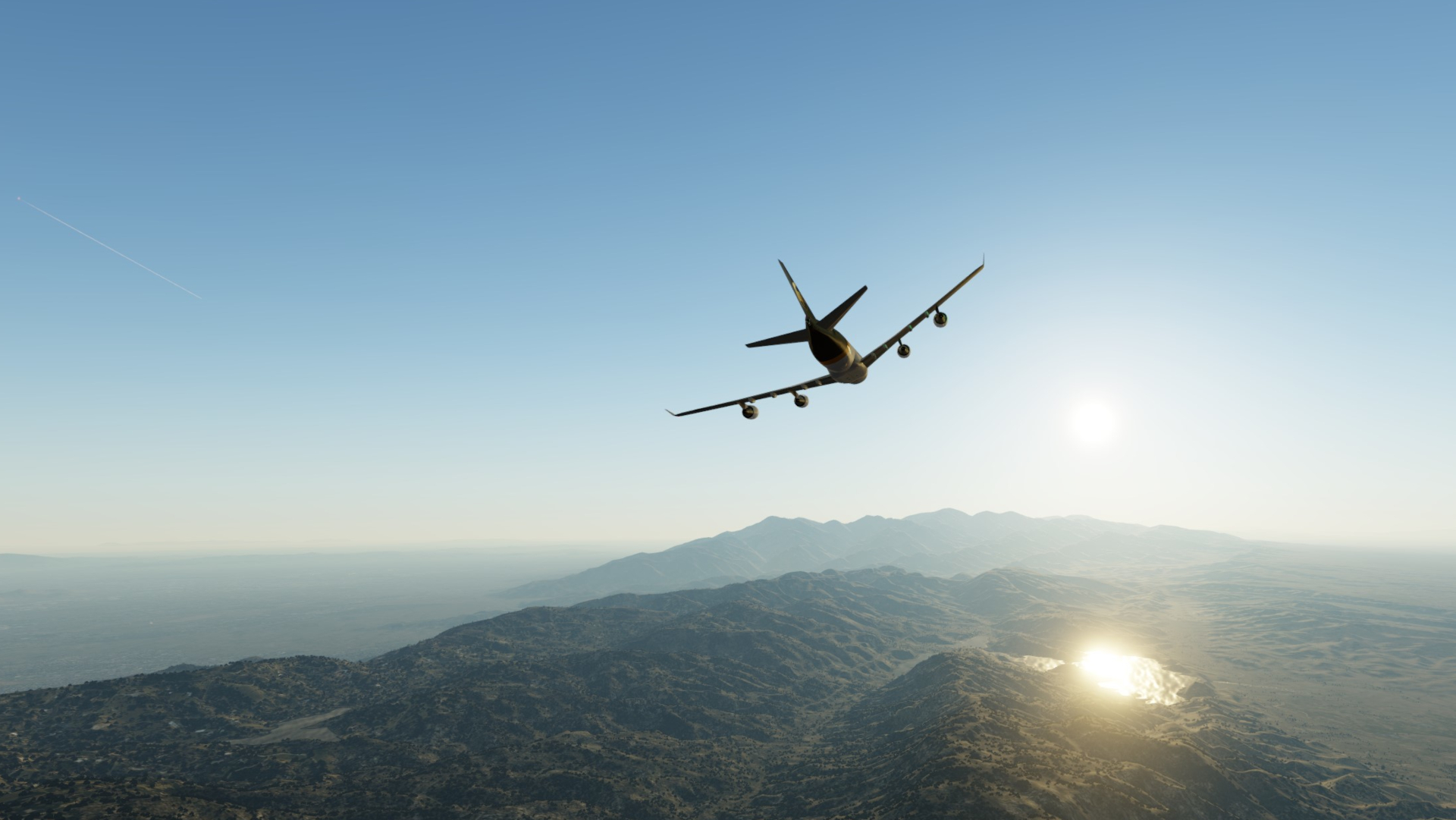
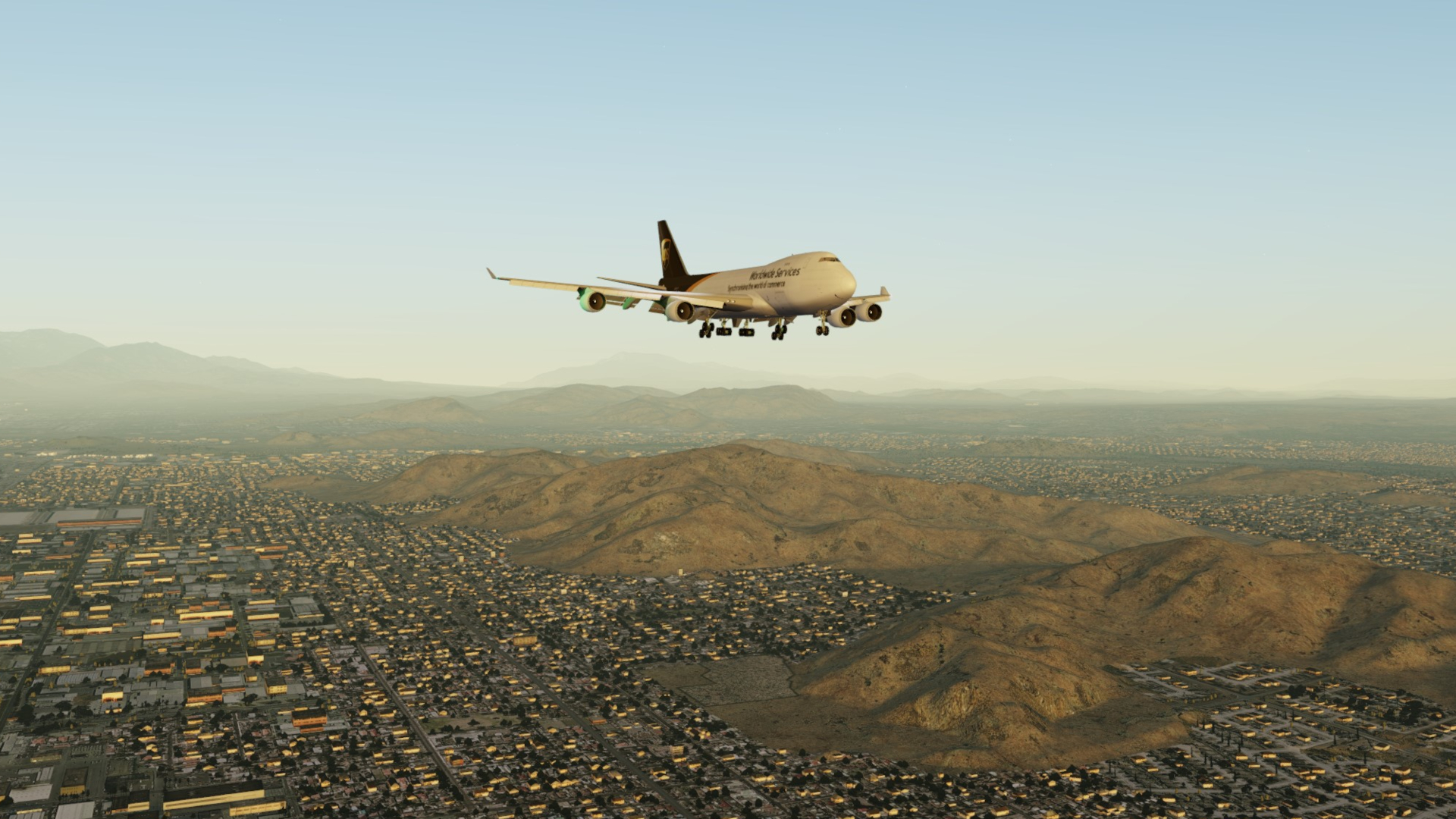
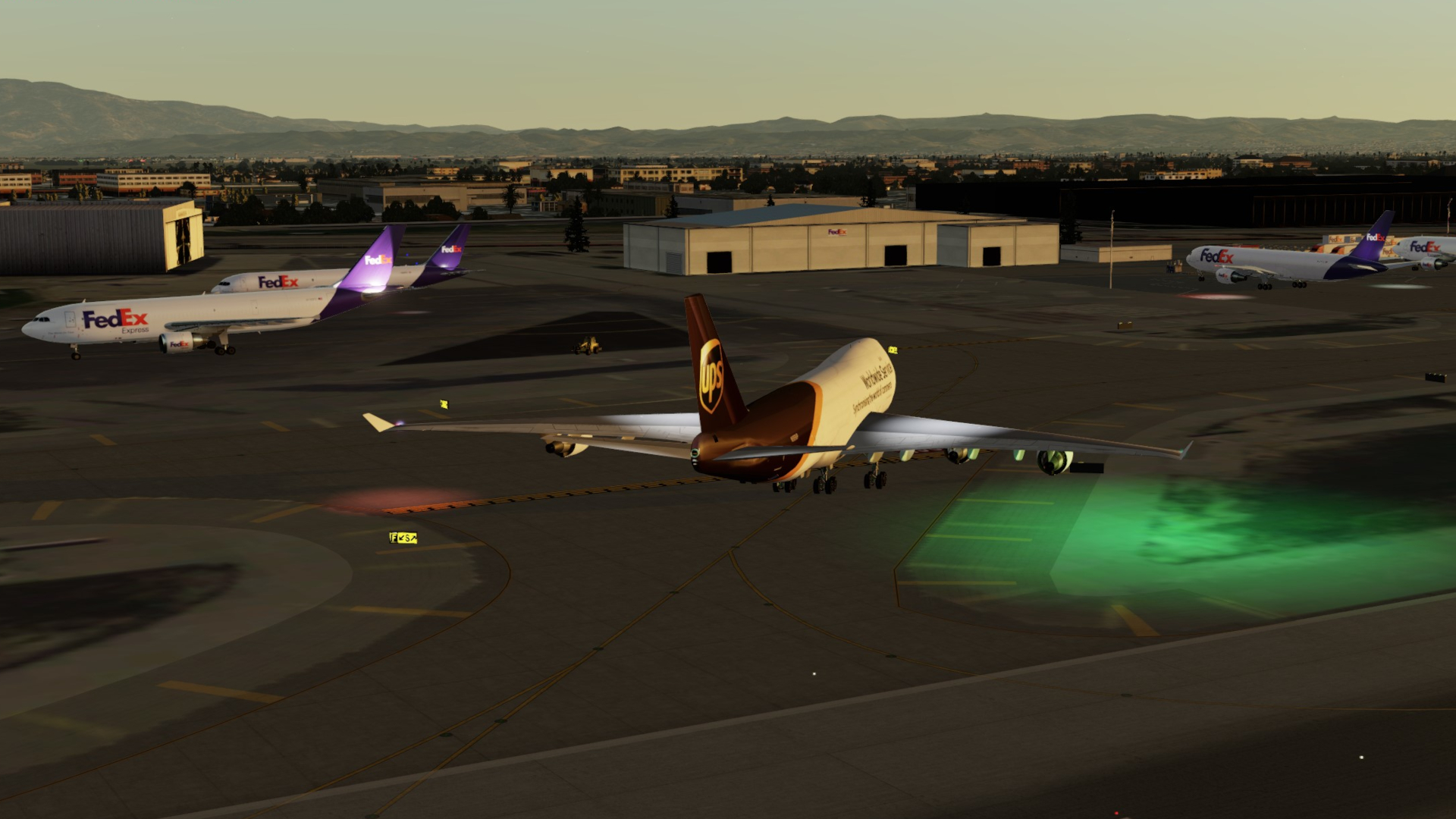
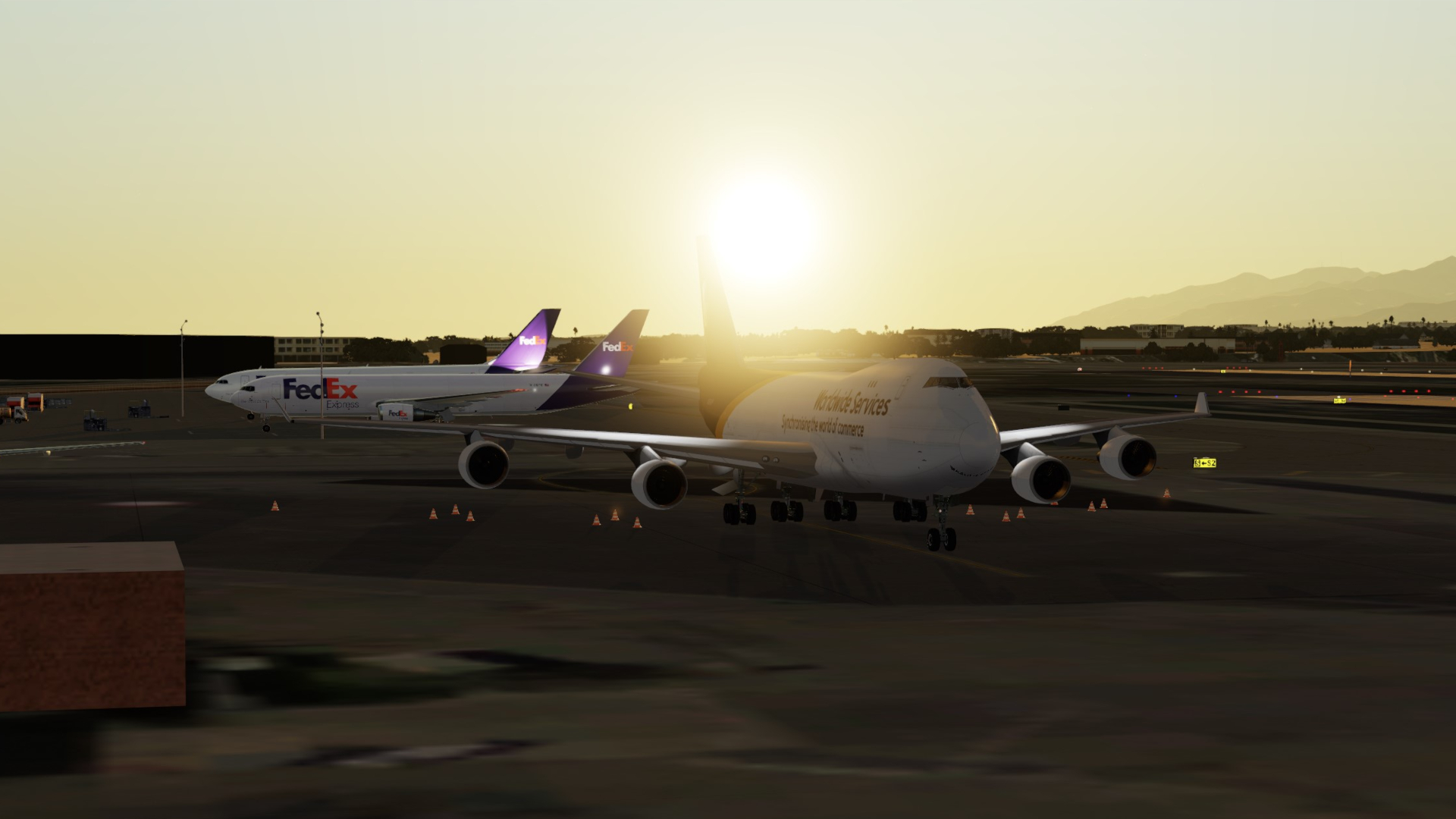
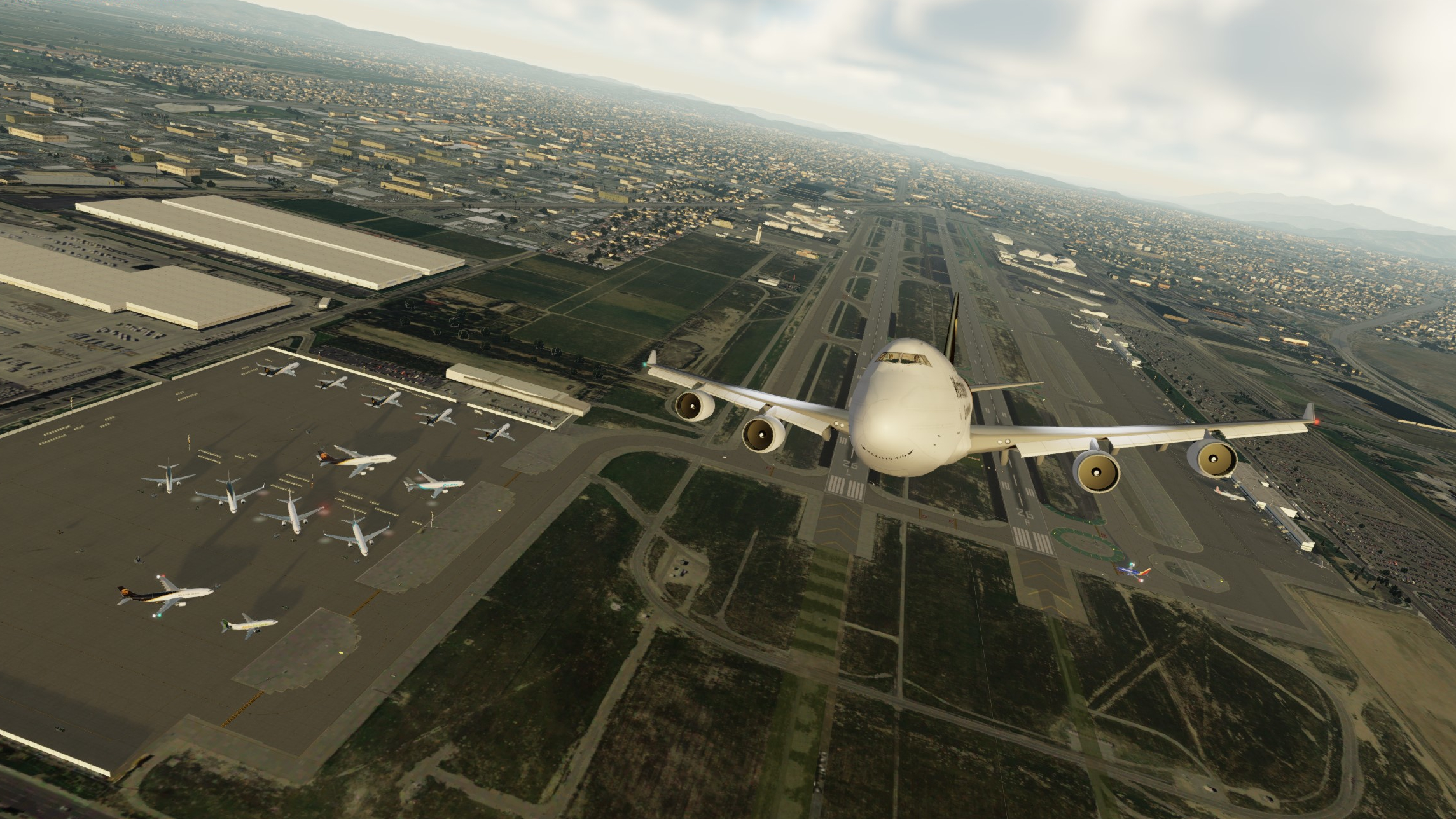
In a johnny-come-lately kinda fashion I'm gonna review the POSKY model over the course of a few posts in the next month or so and see how it stacks up in the 2020's. I'll do that whilst emulating a real world multi-hop ring of fire Pacific flight sequence as operated by UPS using the 744F. This airframe can be seen running these legs in real life, although the B748 is more commonly seen lately and formerly the MD11 was used.
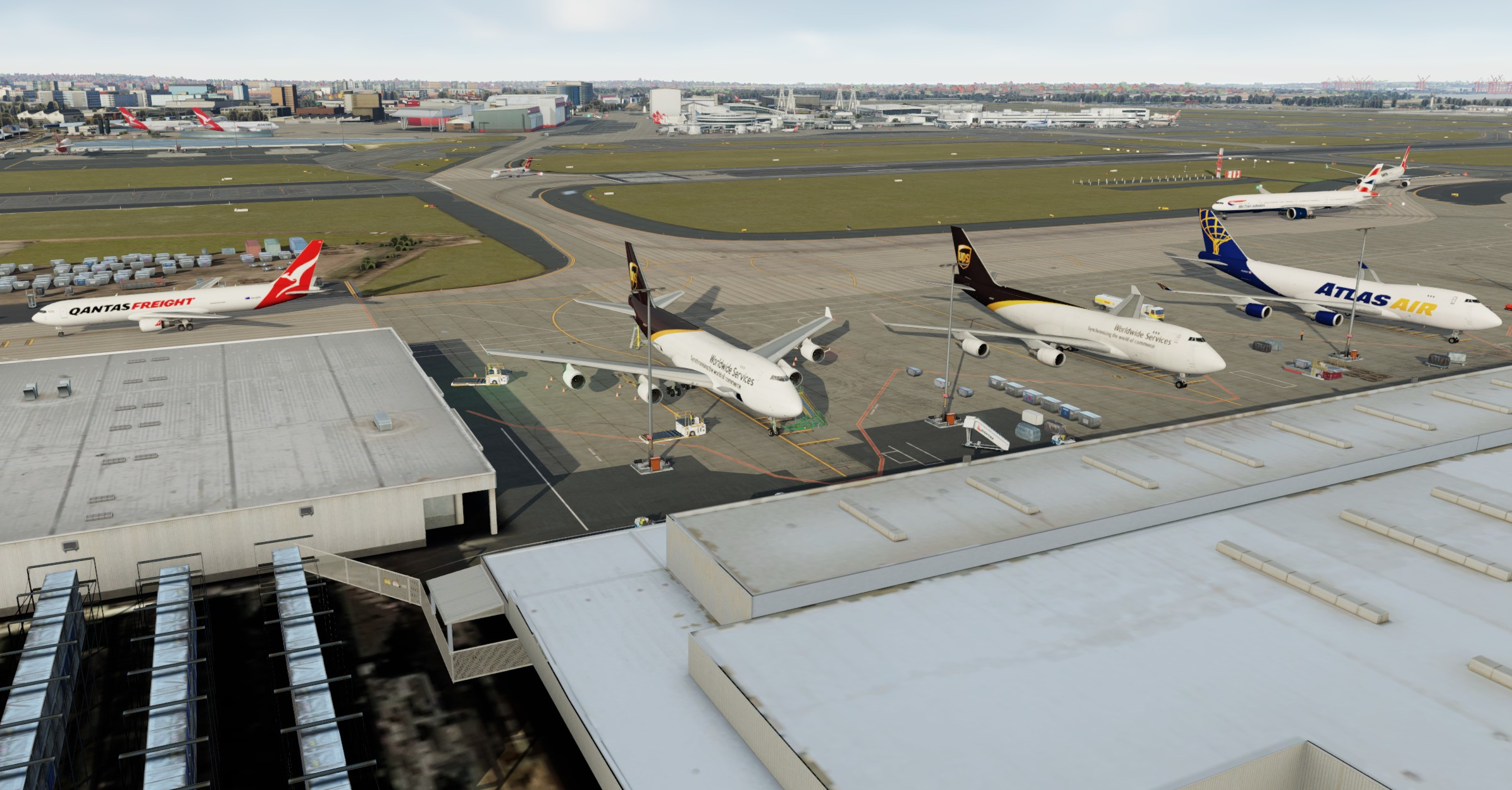
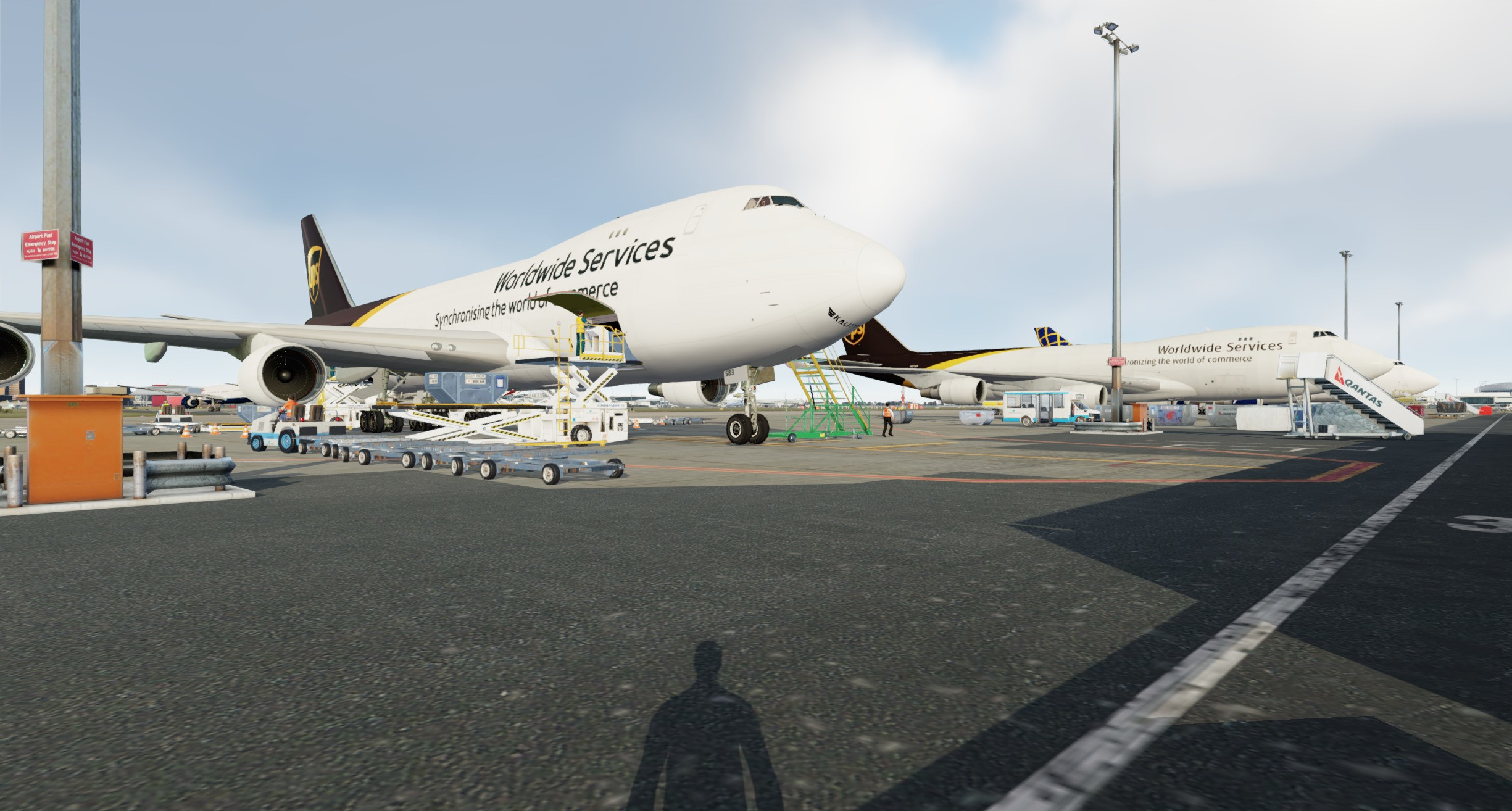
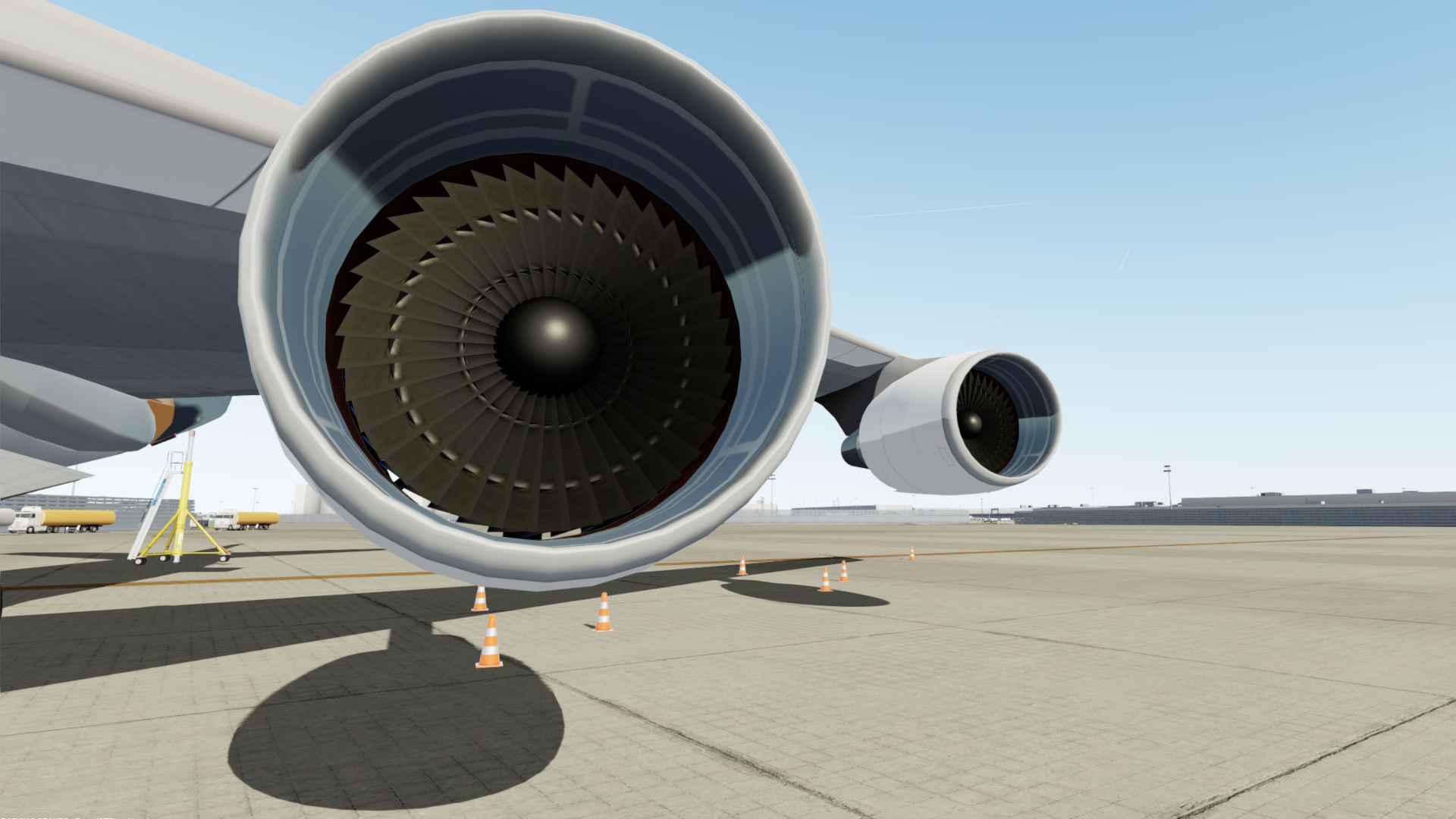
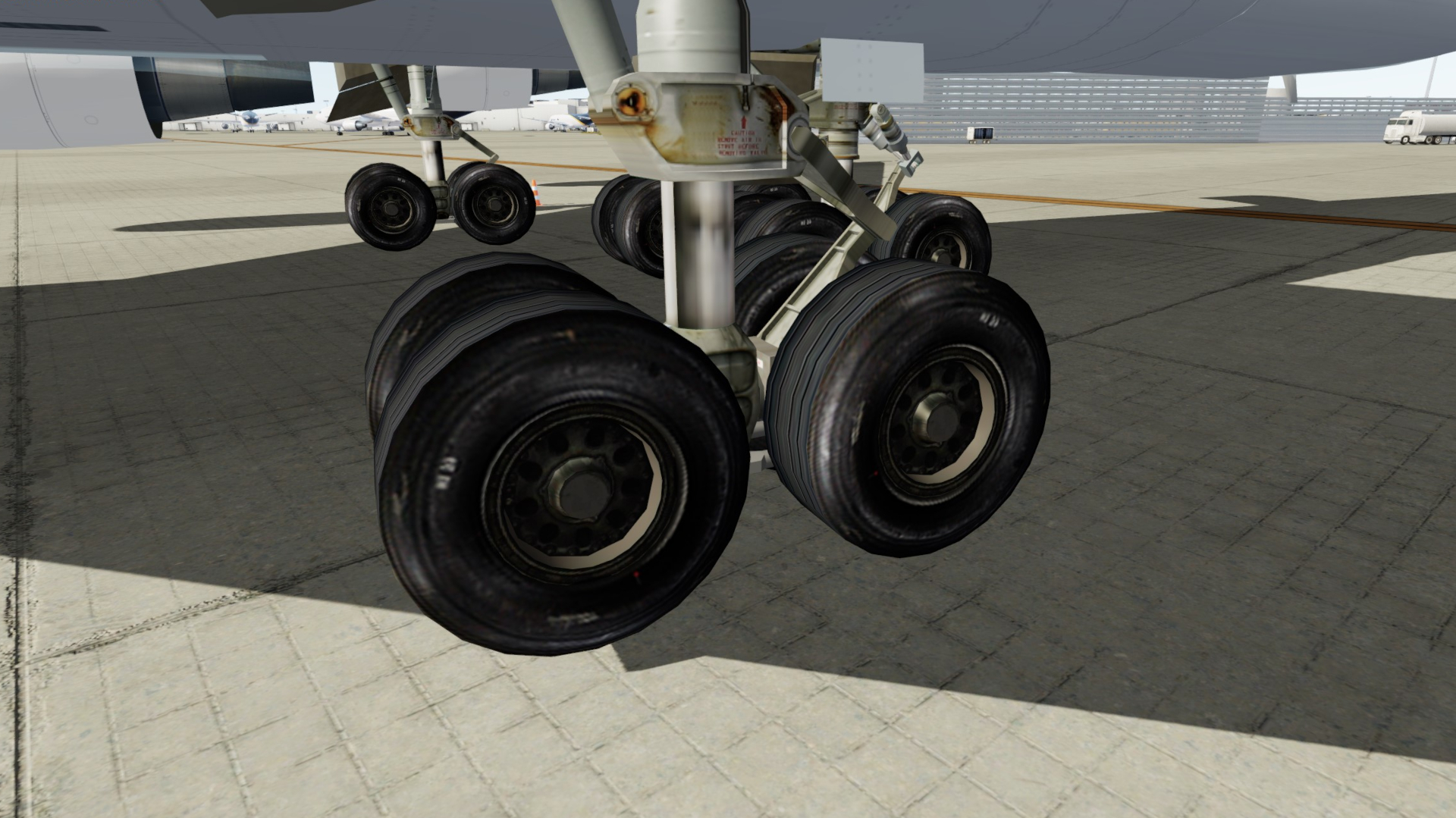
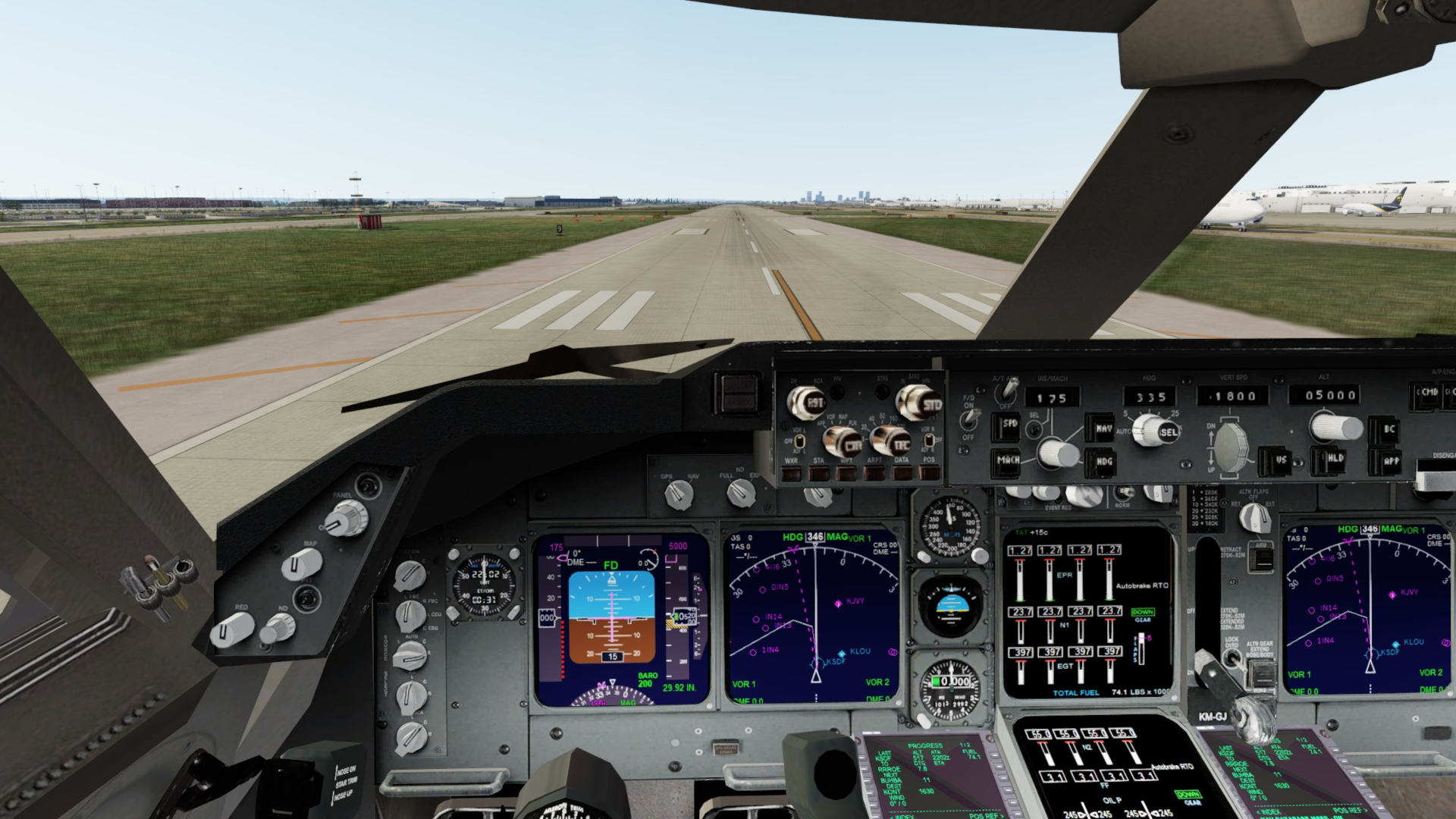
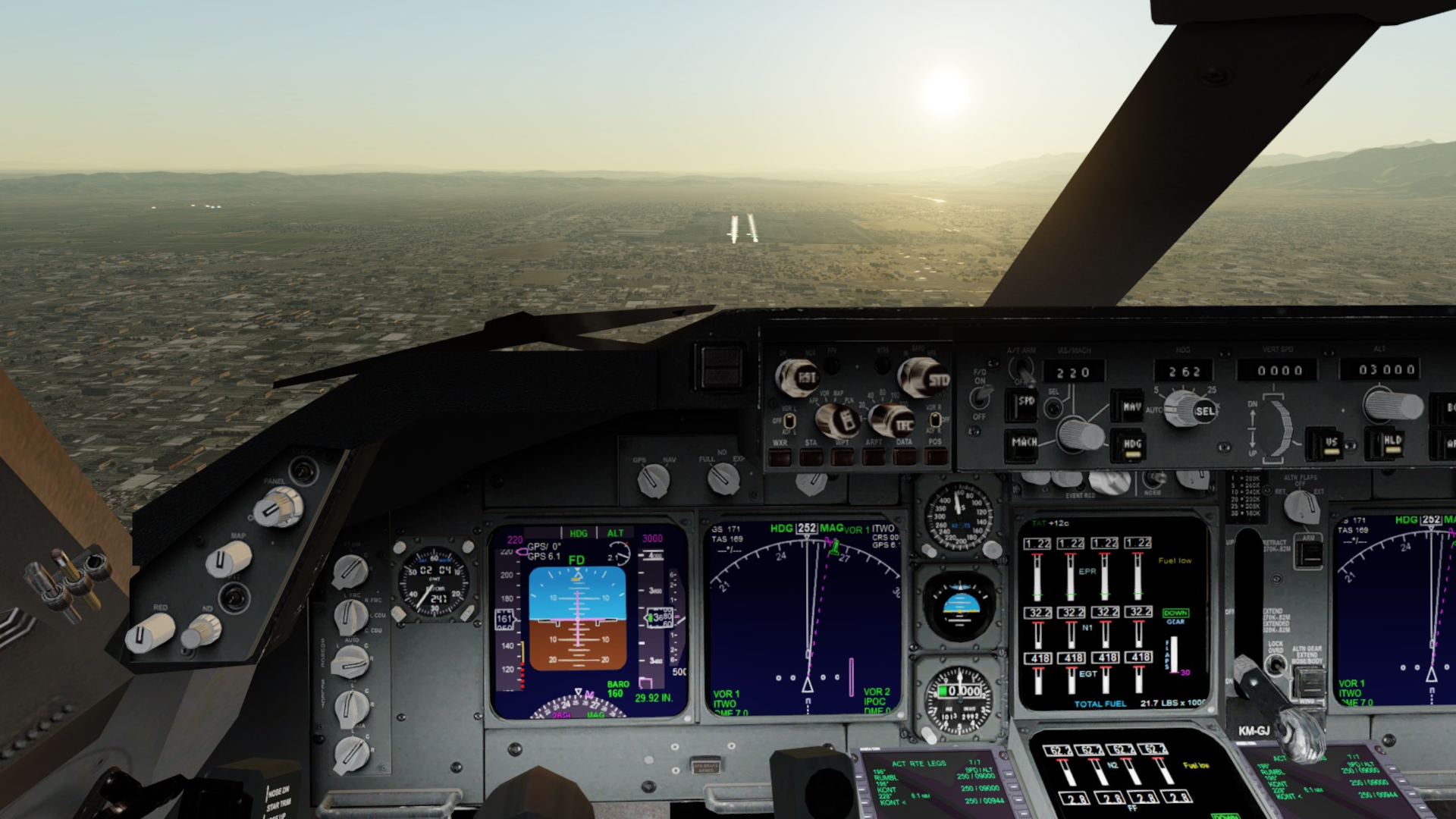
As I fly each leg over coming weeks I'm going to cover the flight itself briefly, share a few screenies and then focus on one area of review for the model at a time, beginning with external modelling and finishing with conclusions. By the last leg (but probably before) I expect I'll have a good idea of whether this famous but now ageing model is still worth the effort and patience to fly given the sophisticated competition out there for those with deeper pockets.
The flight sequence will begin at Louisville Muhammad Ali intl. in Kentucky, an airfield also known as UPS Worldport. I may have a guts full mid way but will at least get 3 or 4 of these legs done during the review, and who knows I might actually struggle masochistically all the way back to UPS Worldport.
Here are the planned flights:
- 5X916 : Louisville (SDF/KSDF) to Ontario (ONT/KONT), Southern California
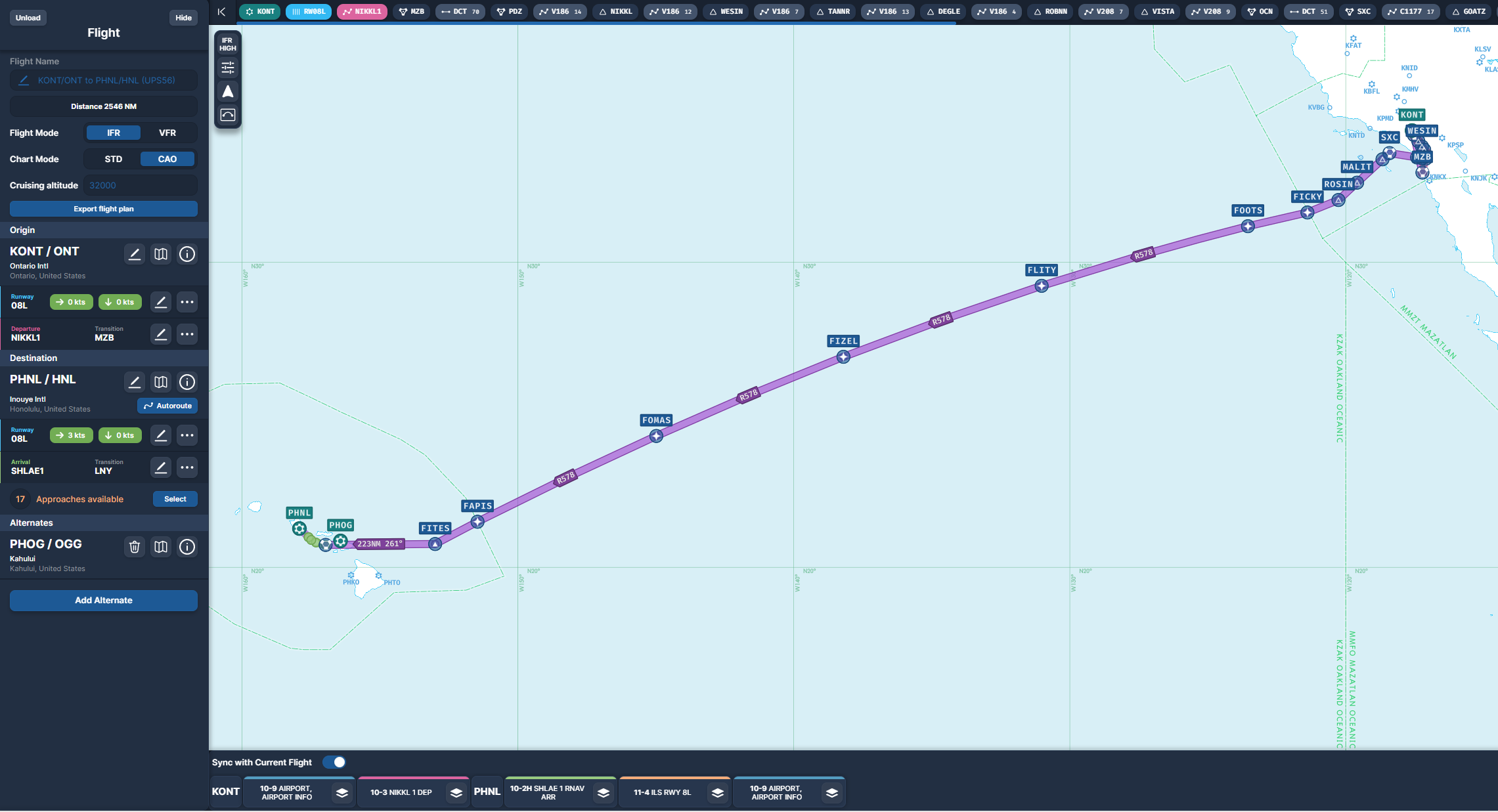
- 5X56 : Ontario to Honolulu (HNL/PHNL)
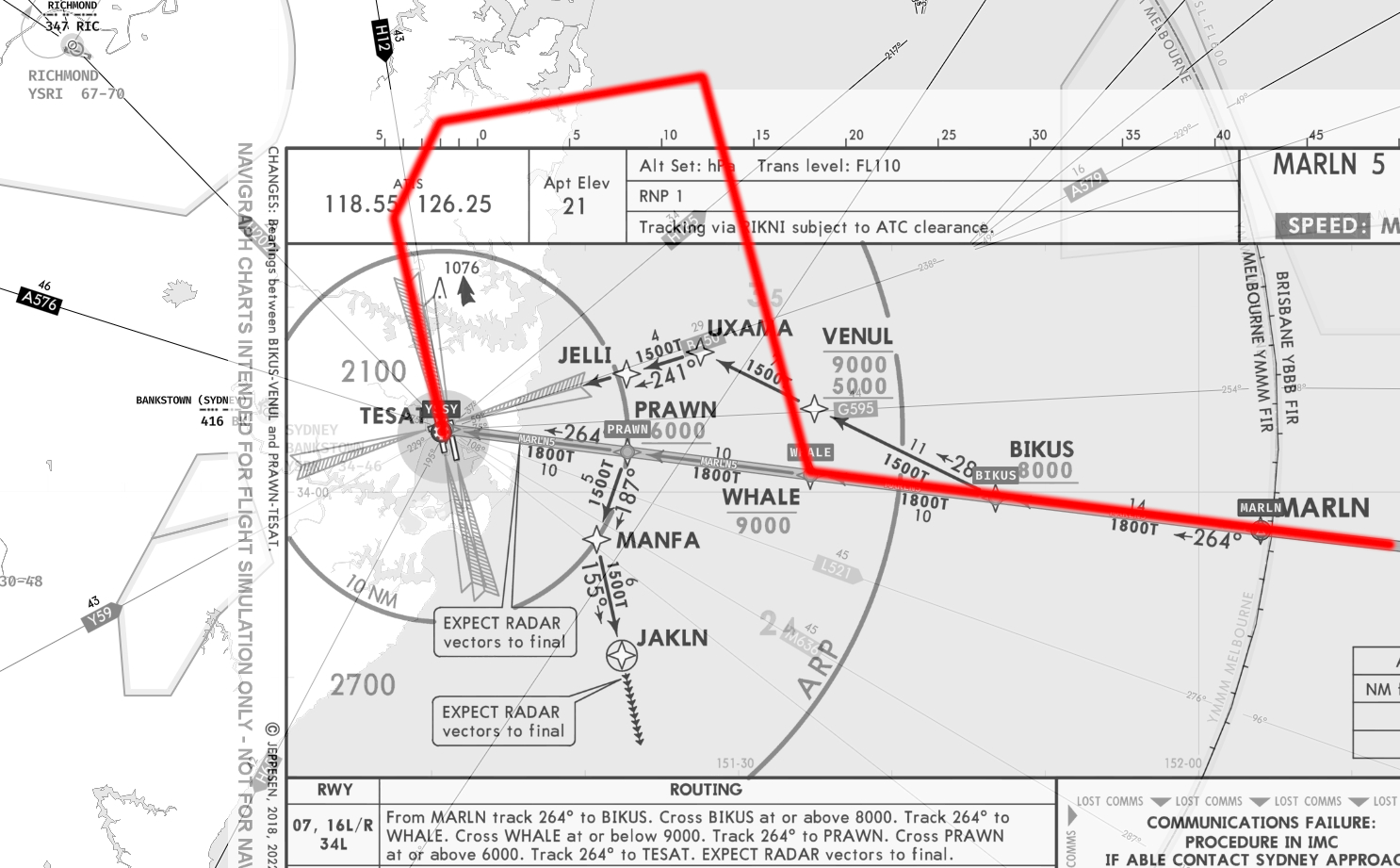
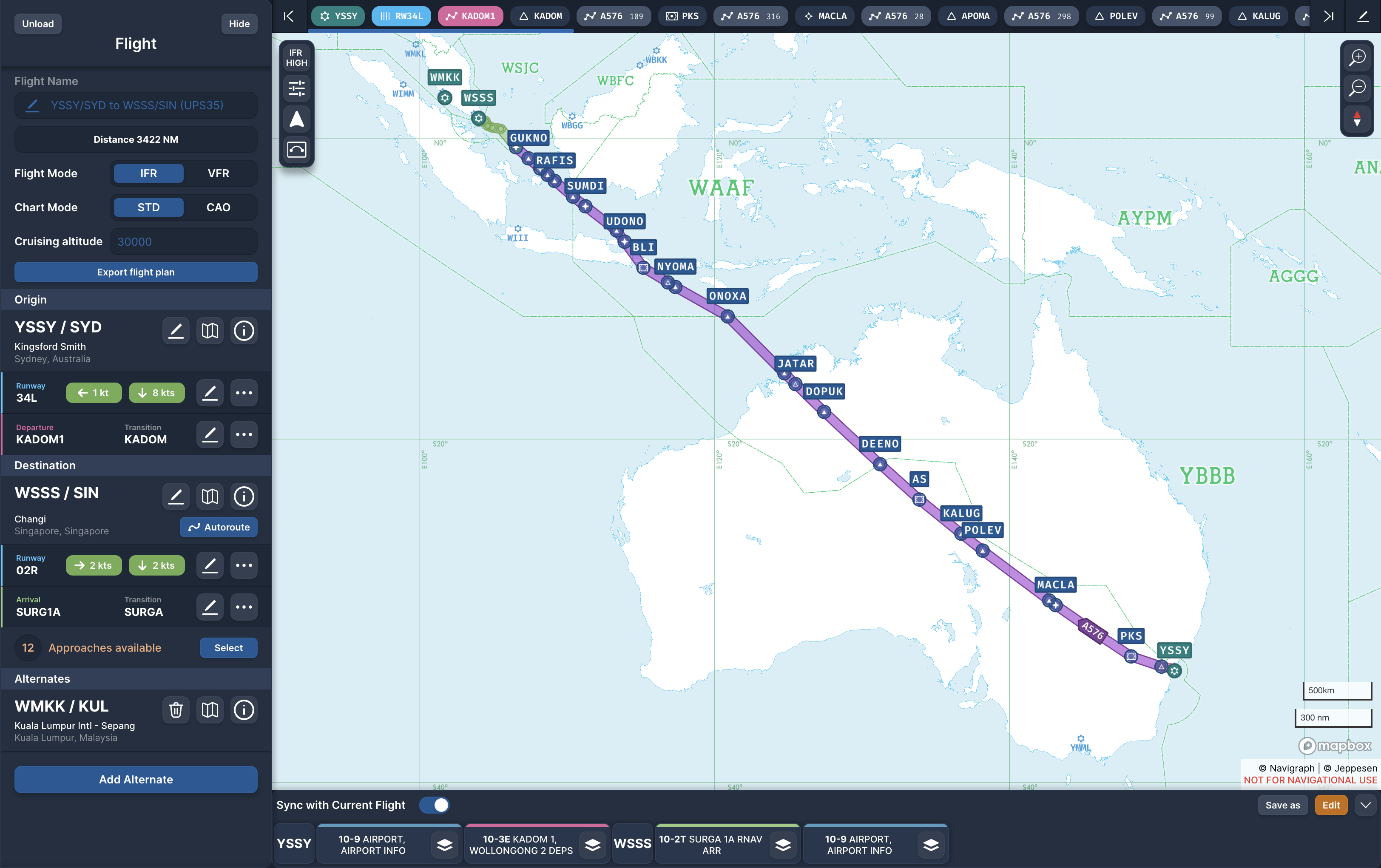
- 5X34 : Honolulu to Sydney (SYD/YSSY)
- 5X35 : Sydney to Singapore Changi (SIN/WSSS)
- 5X99 : Singapore to Seoul Incheon, Korea (ICN/RKSI)
- 5X99 : Seoul to Anchorage, Alaska (ANC/PANC)
- 5X99 : Anchorage back to Louisville
System wise: I'll be running P3D v5.3 on a Windows 10 machine with an AMD Ryzen5 3600 CPU (6c/12t) and an RTX 2060-super GPU. Have a PCIe4 supporting X570 Mini-ITX motherboard fitted with 32GB of 3600MHz DDR4 RAM and a combo of NVMe and SSDs for storage. Nothing is overclocked and it's all mounted in a compact ITX case with an AIO cooler and radiator for the CPU and a 600W SFX PSU.
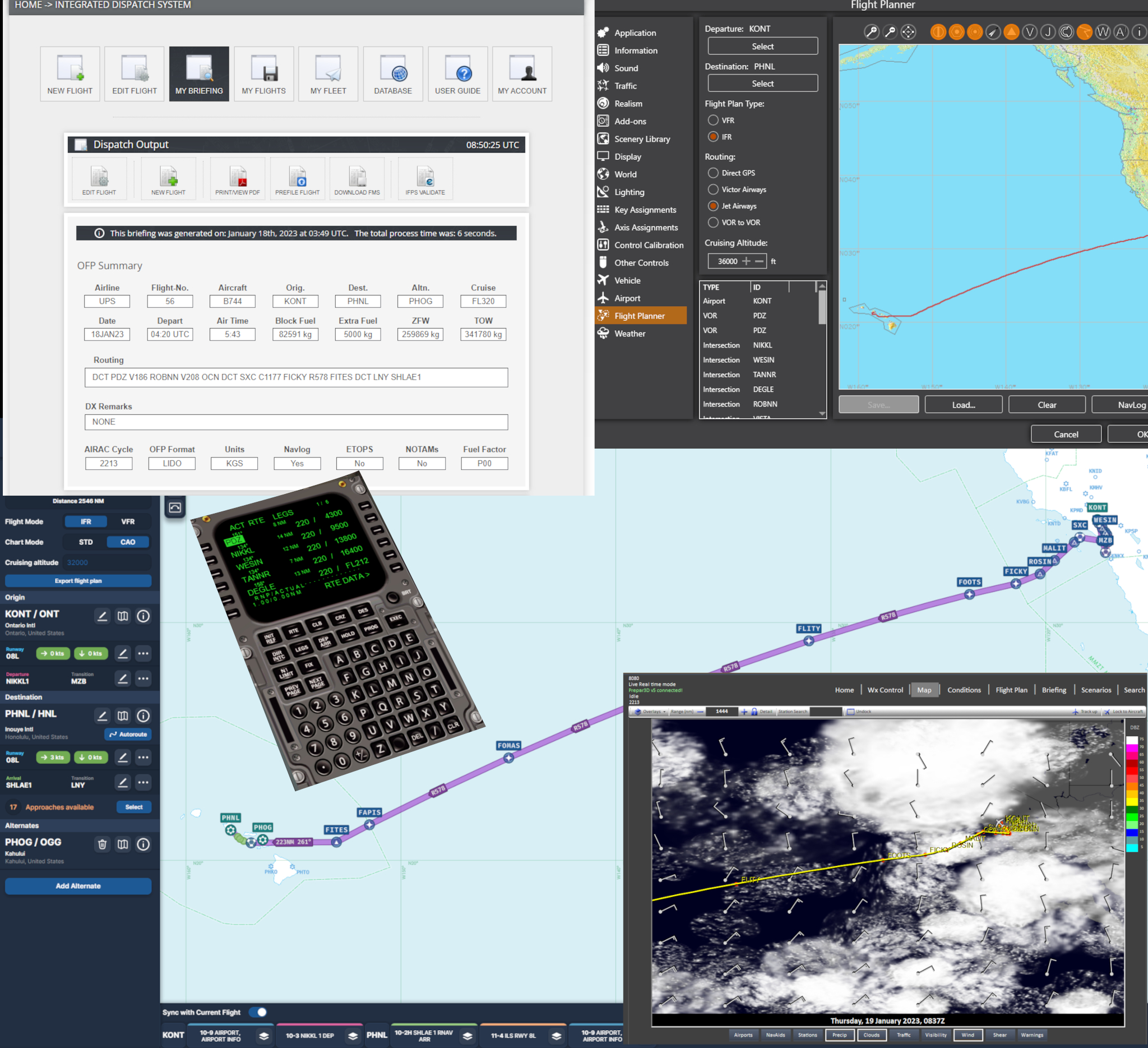
Add-ons wise: I'll detail what scenery is in use on each leg separately but common stuff I'll use throughout includes Orbx Global Landclass, Vector, Mesh and Trees, AlphaIndia's AIG-OCI for AI traffic. I use Simbrief for flight planning, Navigraph for charts and waypoint database updates and ActiveSky P3D for live weather and atmospherics. In the cockpit am also using EZDoc to switch between VC views. I also use GSX for ground services which you will see in various screenshots. You may be wondering why I've splashed out on all these pay-ware addons but not for an aircraft, but none of these is necessary to test the model itself, they just make for nicer screenies and a more enjoyable and realistic flight.
TRIGGER WARNING - if you're a happy customer of one of the pay-ware 744 offerings on any platform please don't get triggered by the low-fi screenshots and short-comings of the POSKY model you'll see here. We know your model is great, and the rest of us are jealous, no need to boast. The POSKY has its place for some of us and may do for some time until FSX/P3D are gone forever.
Having said that please feel free to comment along the way if you have experience w this model or have tips to share. Would also love to hear any feedback from IRL captains, yes I'm looking at you CP

I'll update entries in this top post to deep link to each detailed leg report as I go over coming weeks.
Further info...
- Japanese site for the project team detailing its history (use the English translation if reqd.)
- Freeware Focus - Tenkuu Developers Studio
- TDS737/SkySpirit2010/2011/2012 Posky747-8F updates
tags for the site search: opensky projectopensky posky boeing review freeware skyspirit

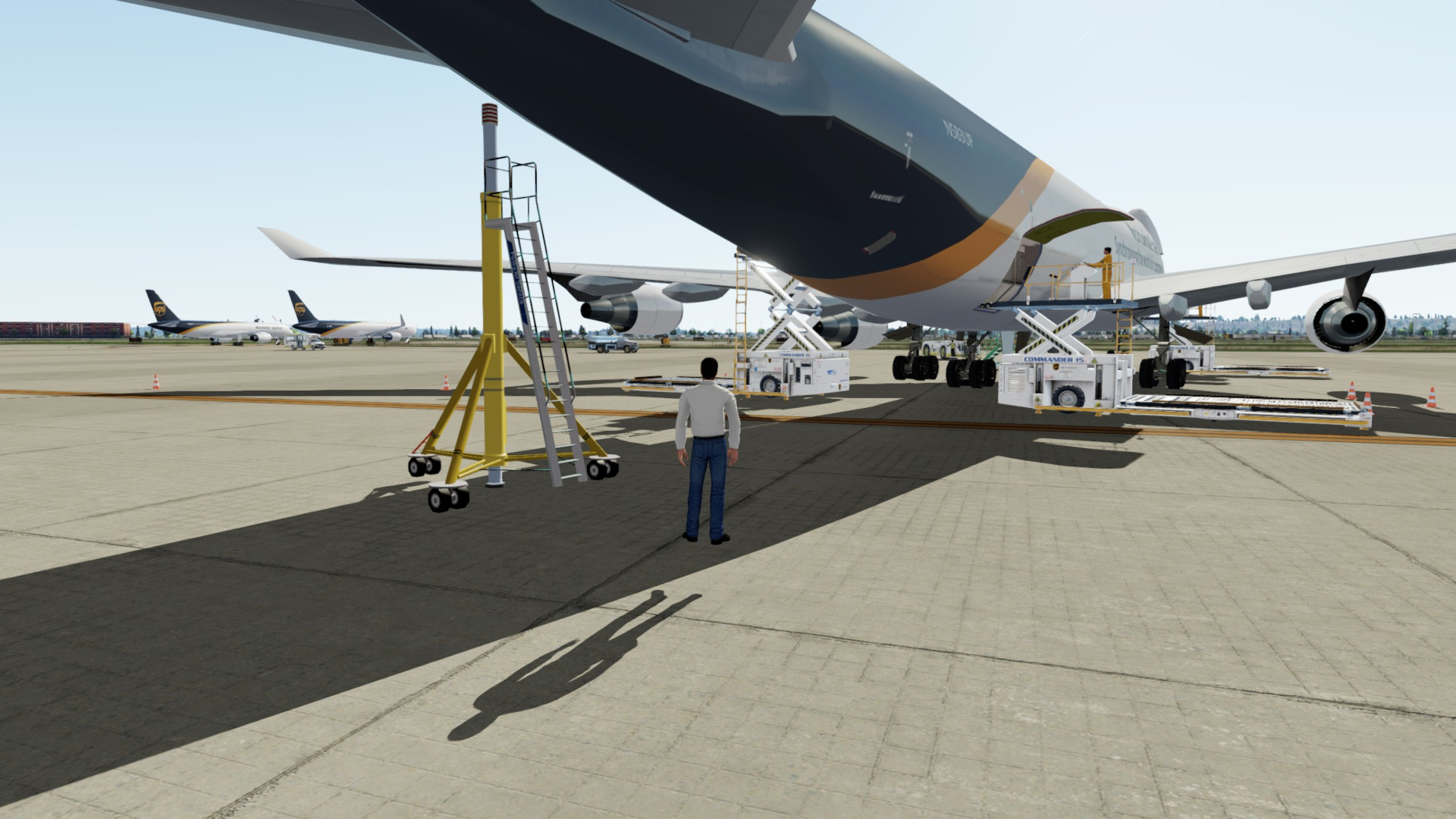
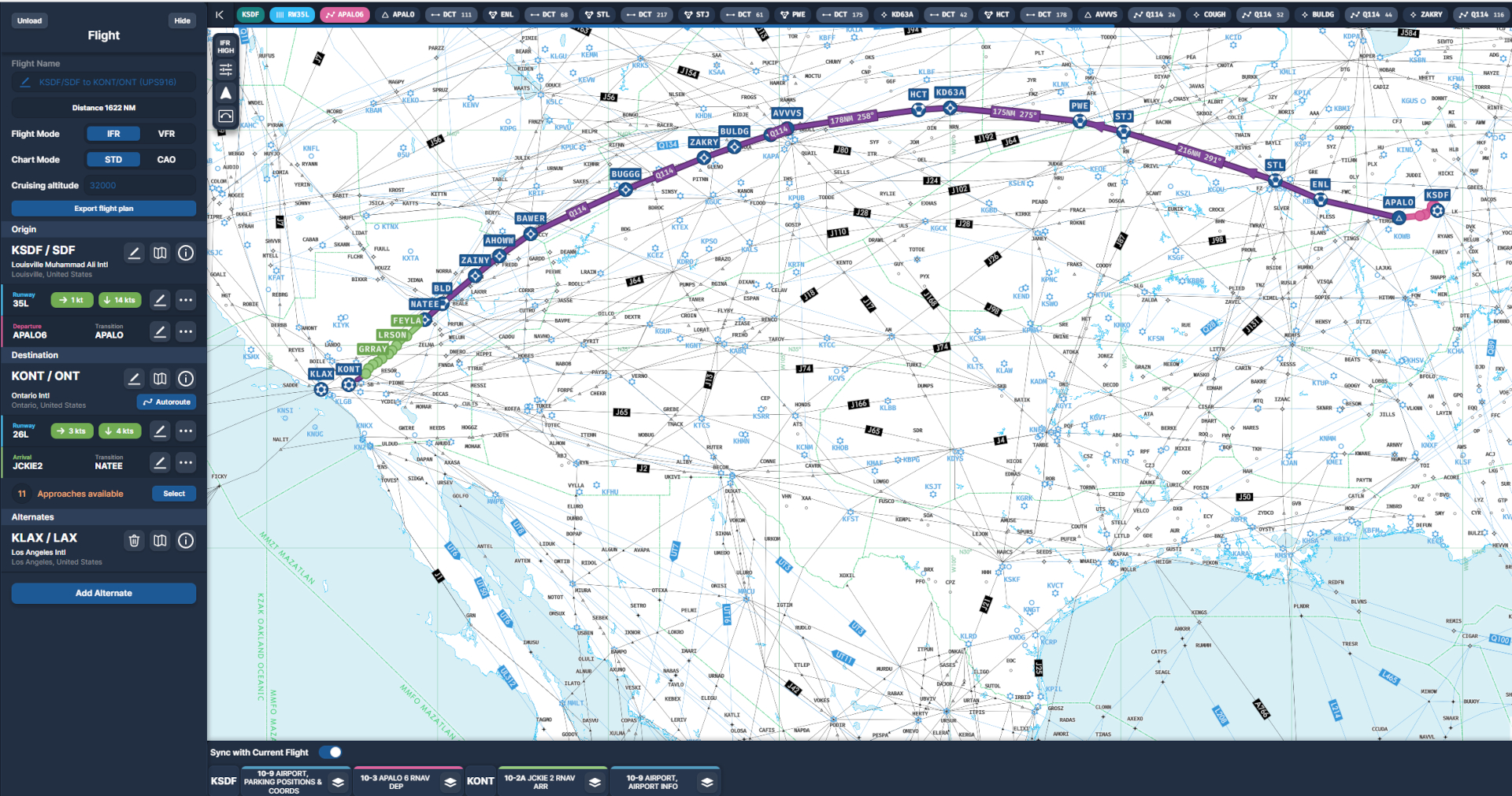
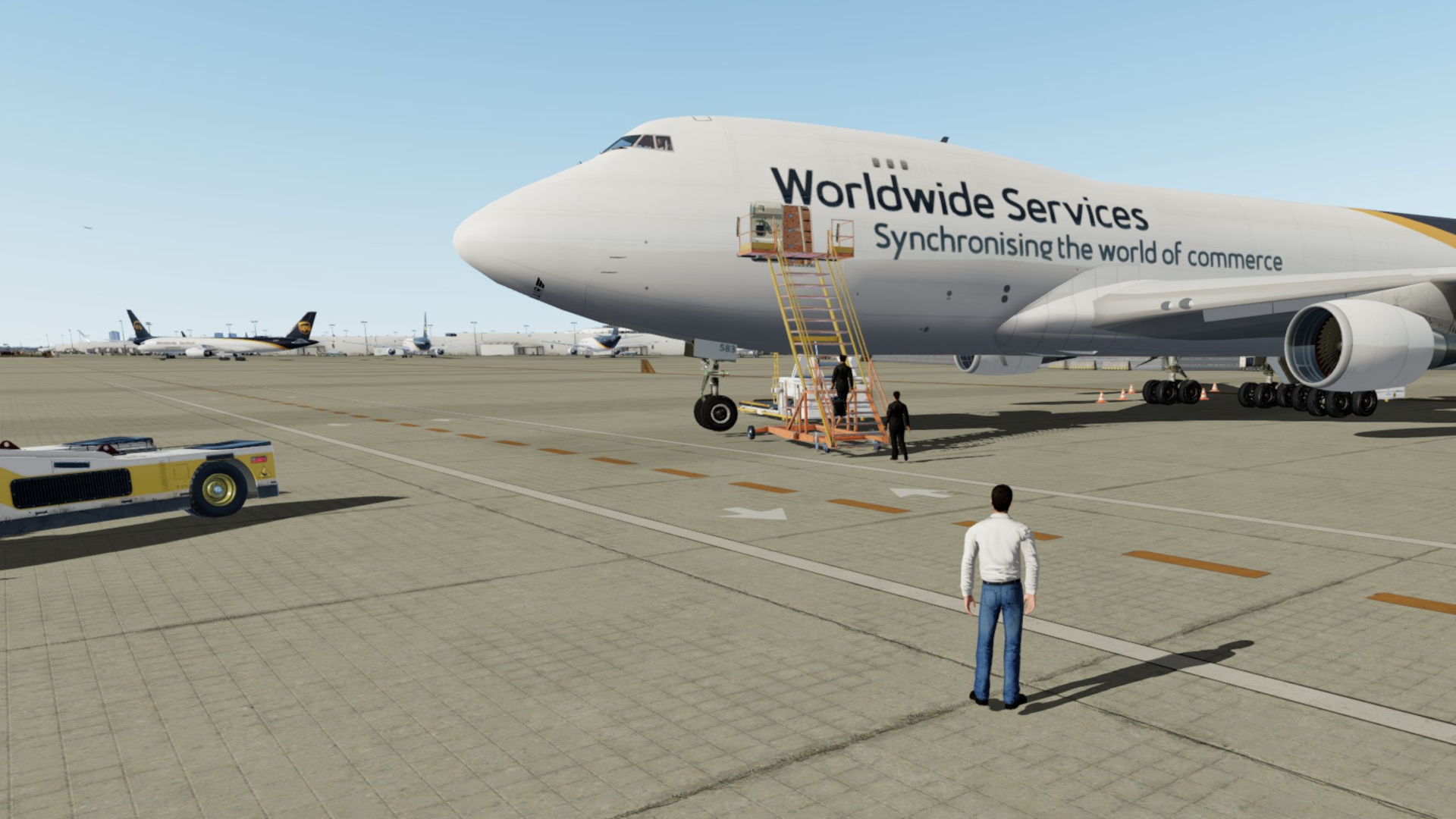
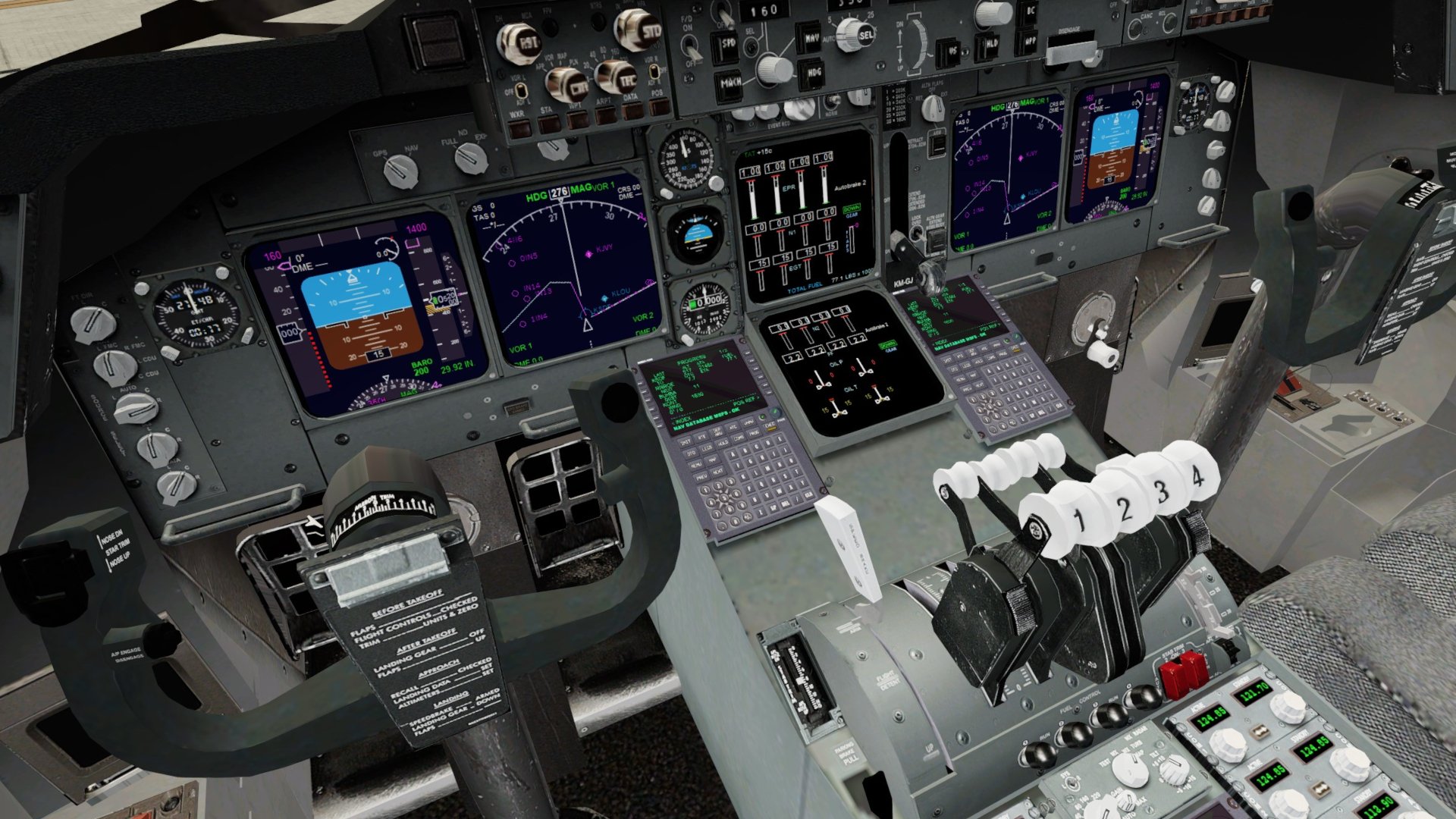

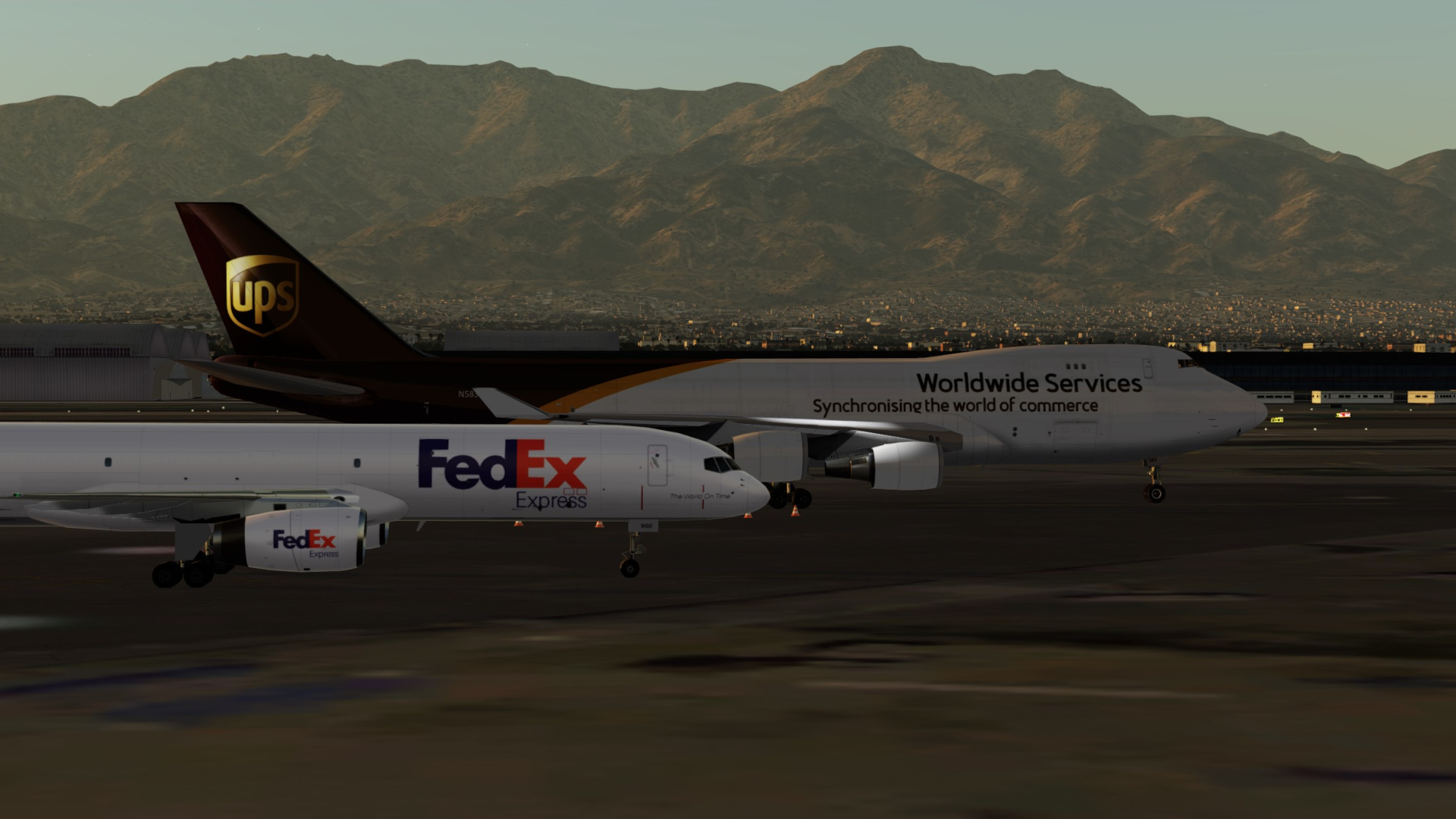

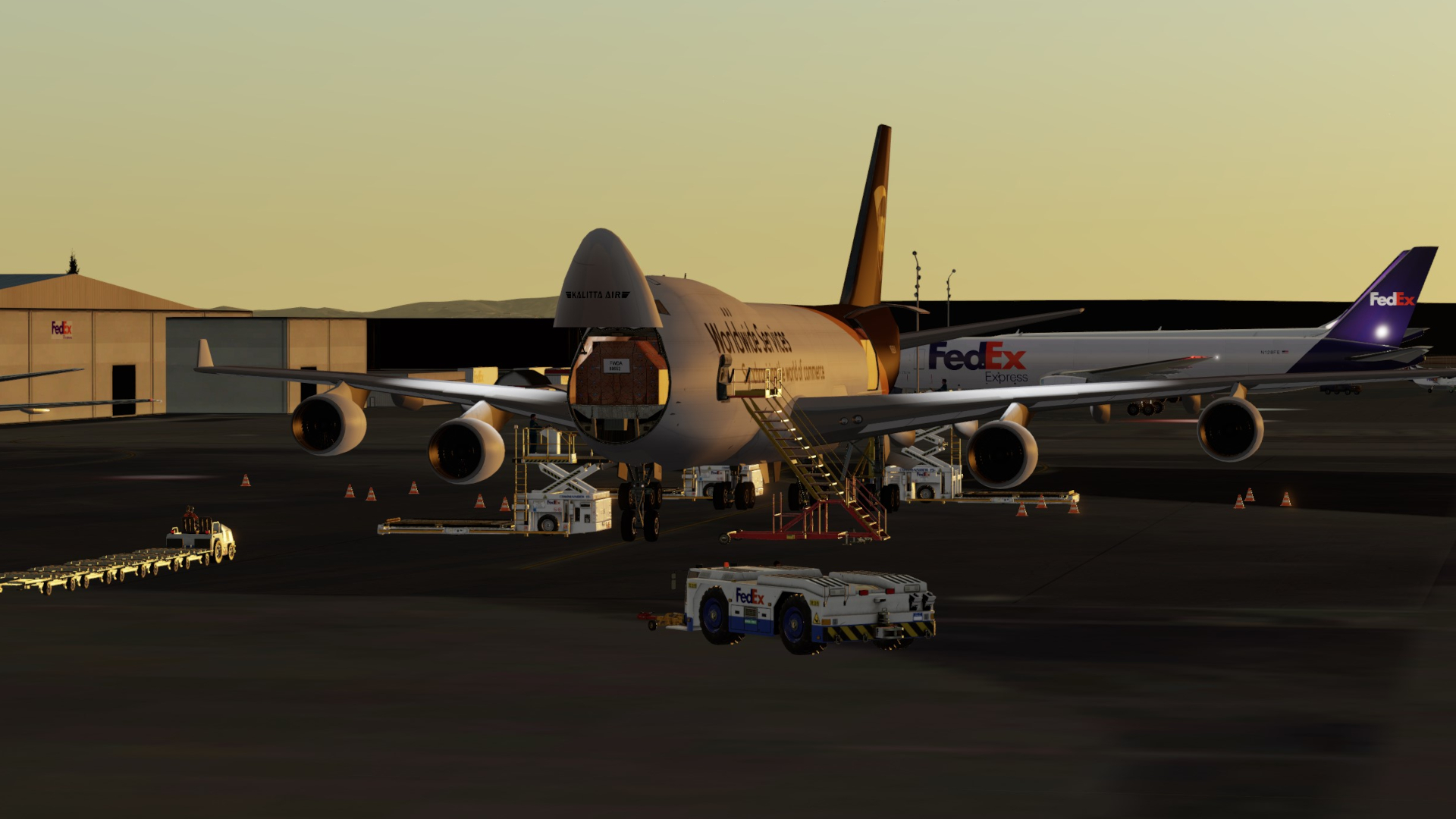


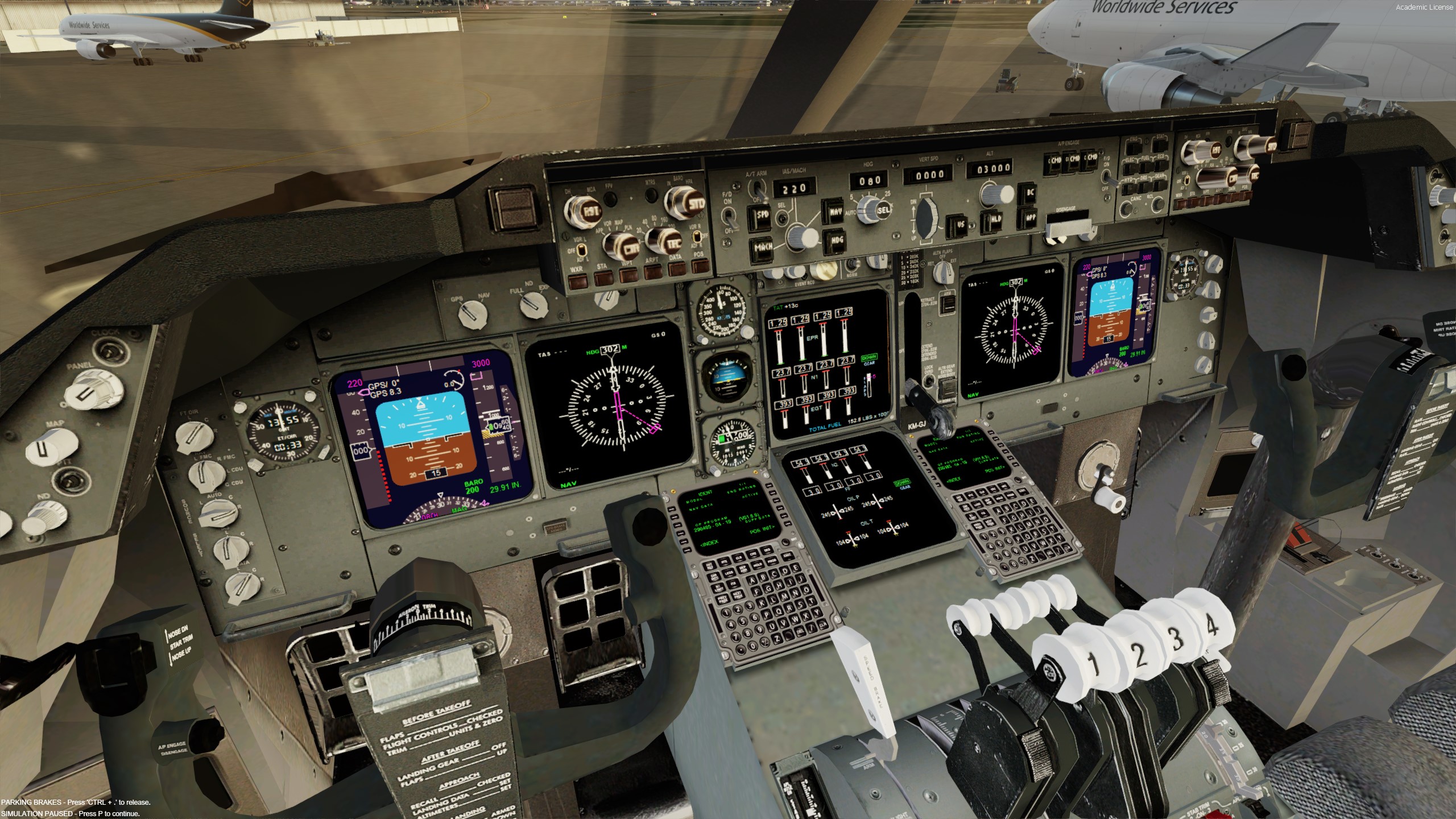
 Watch on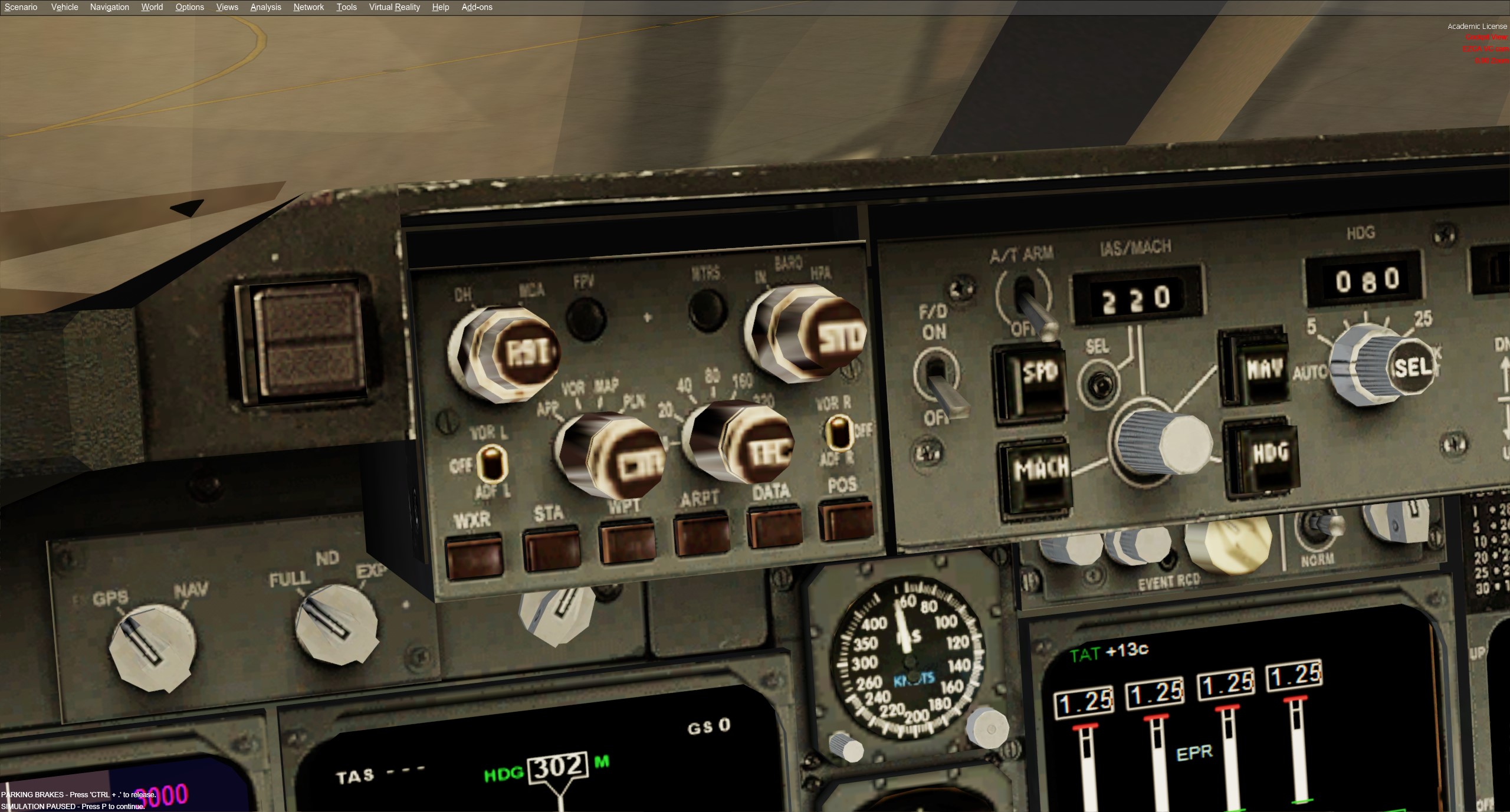
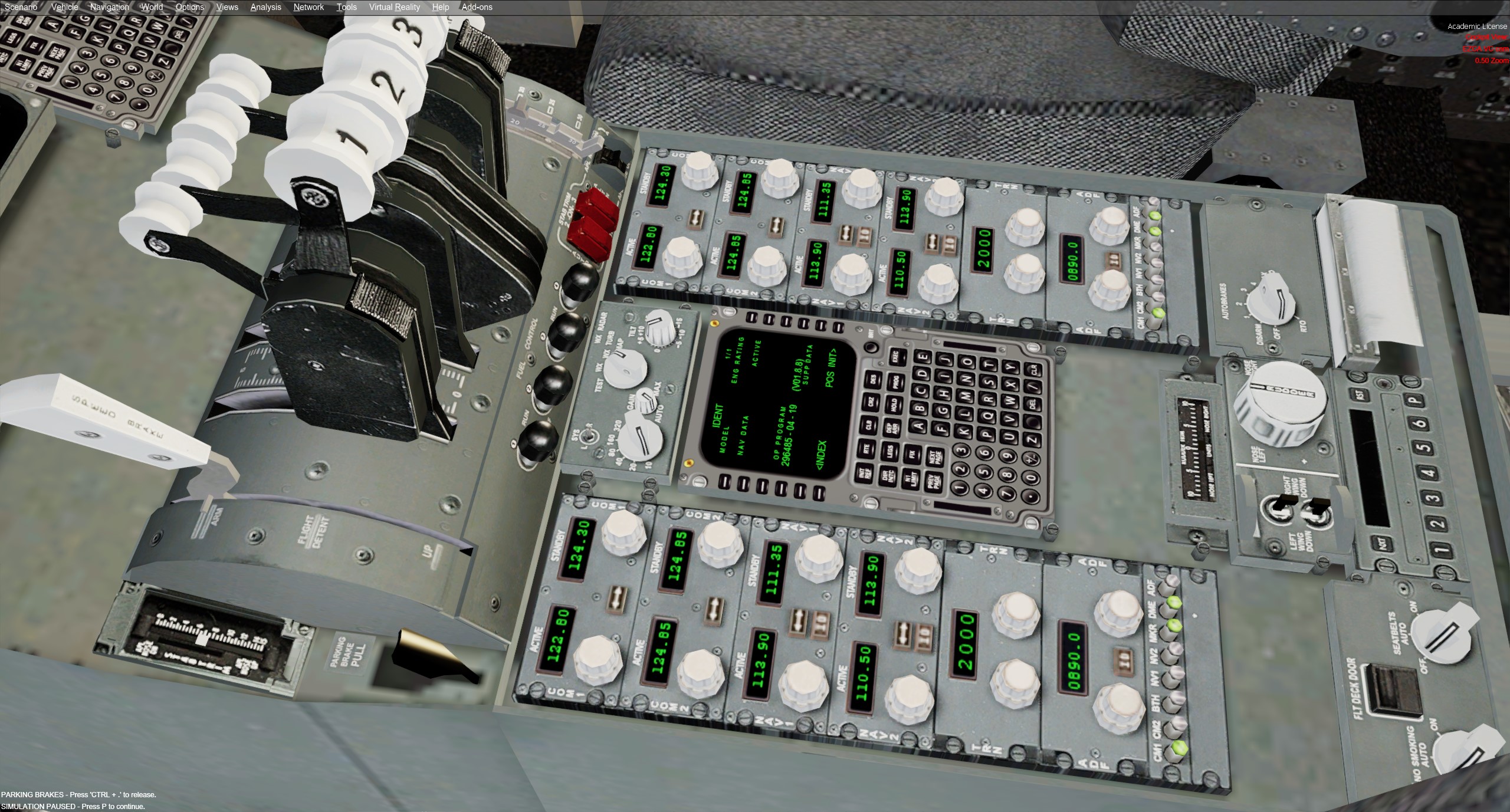
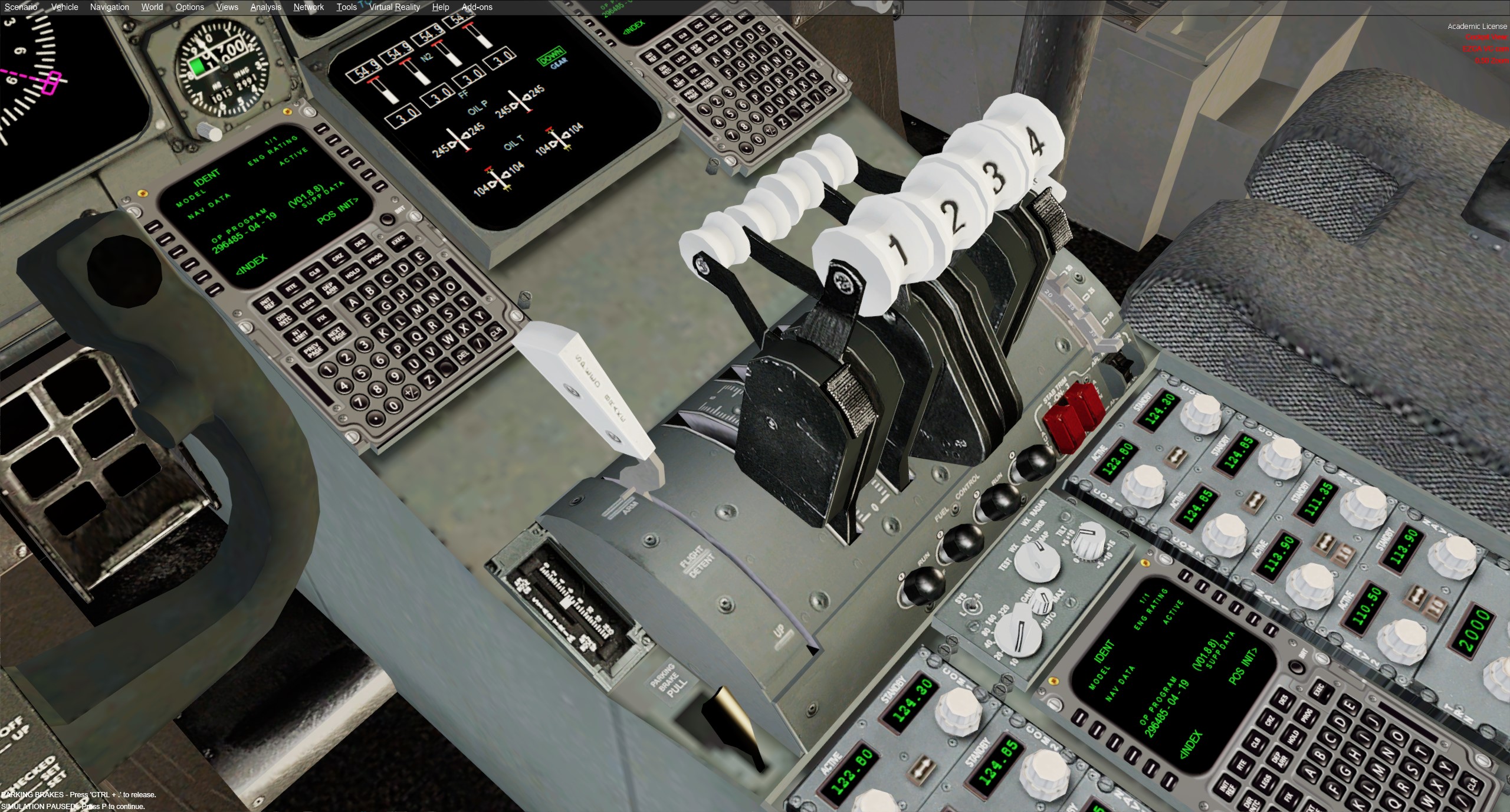
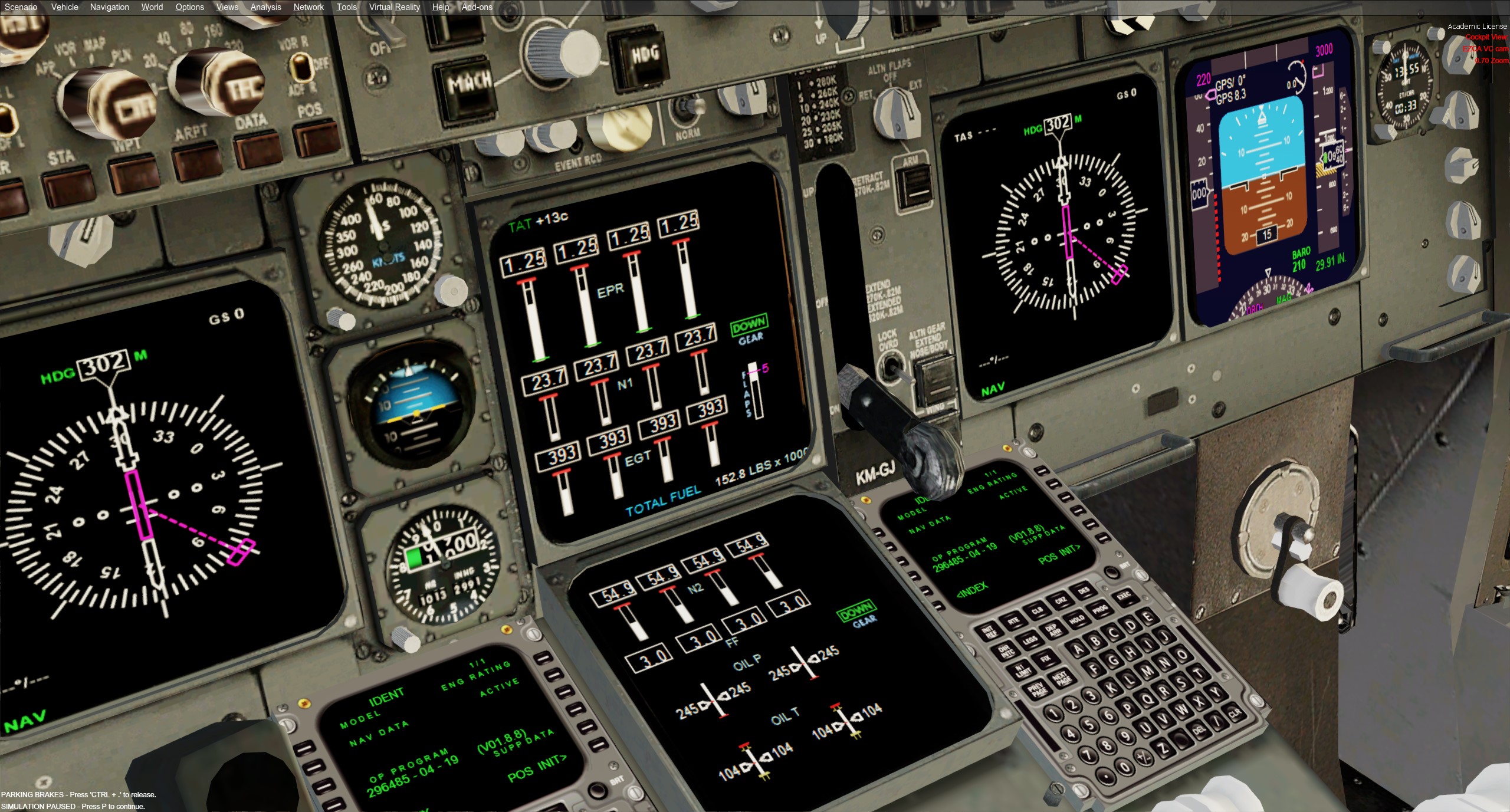
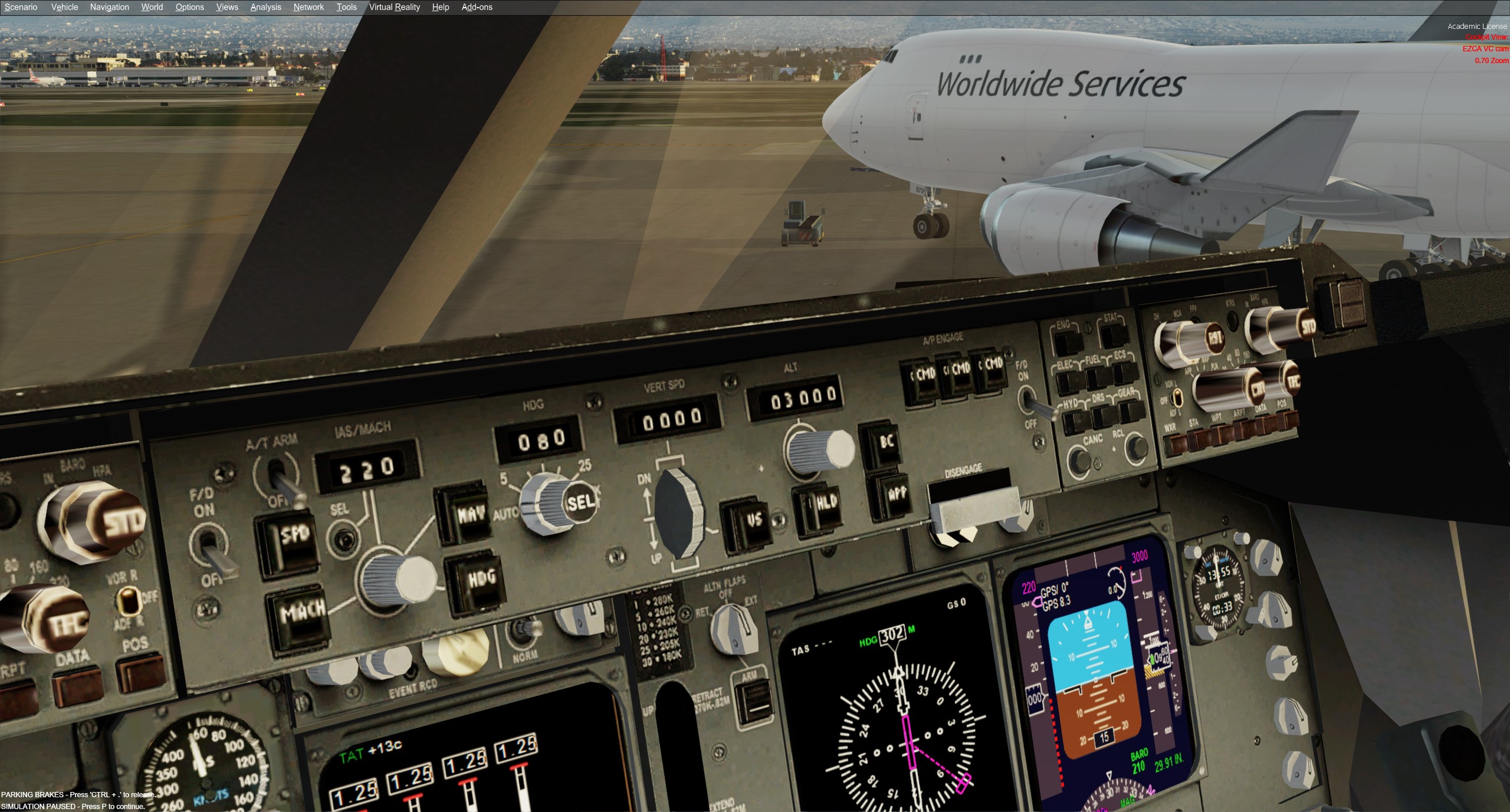
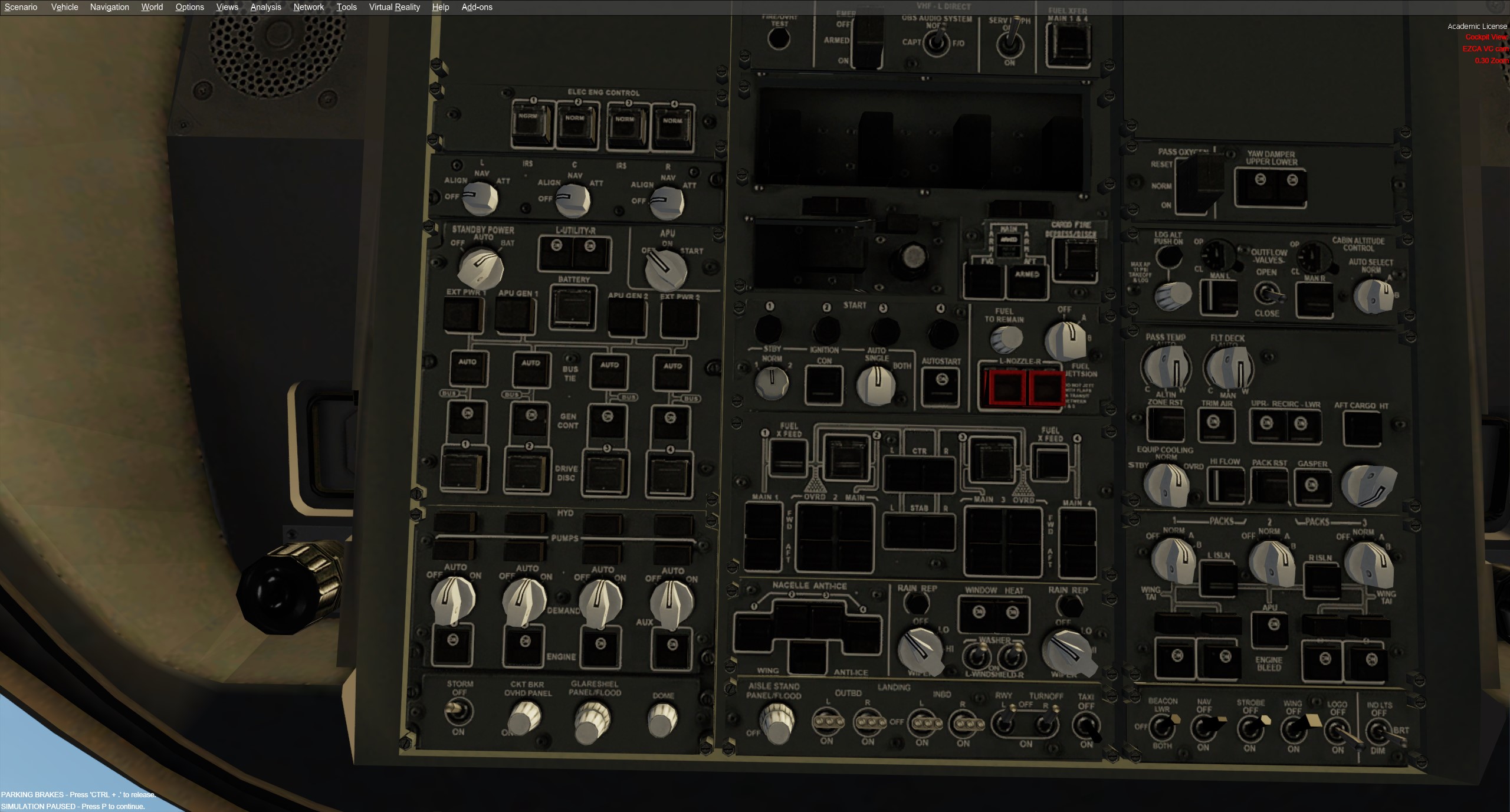
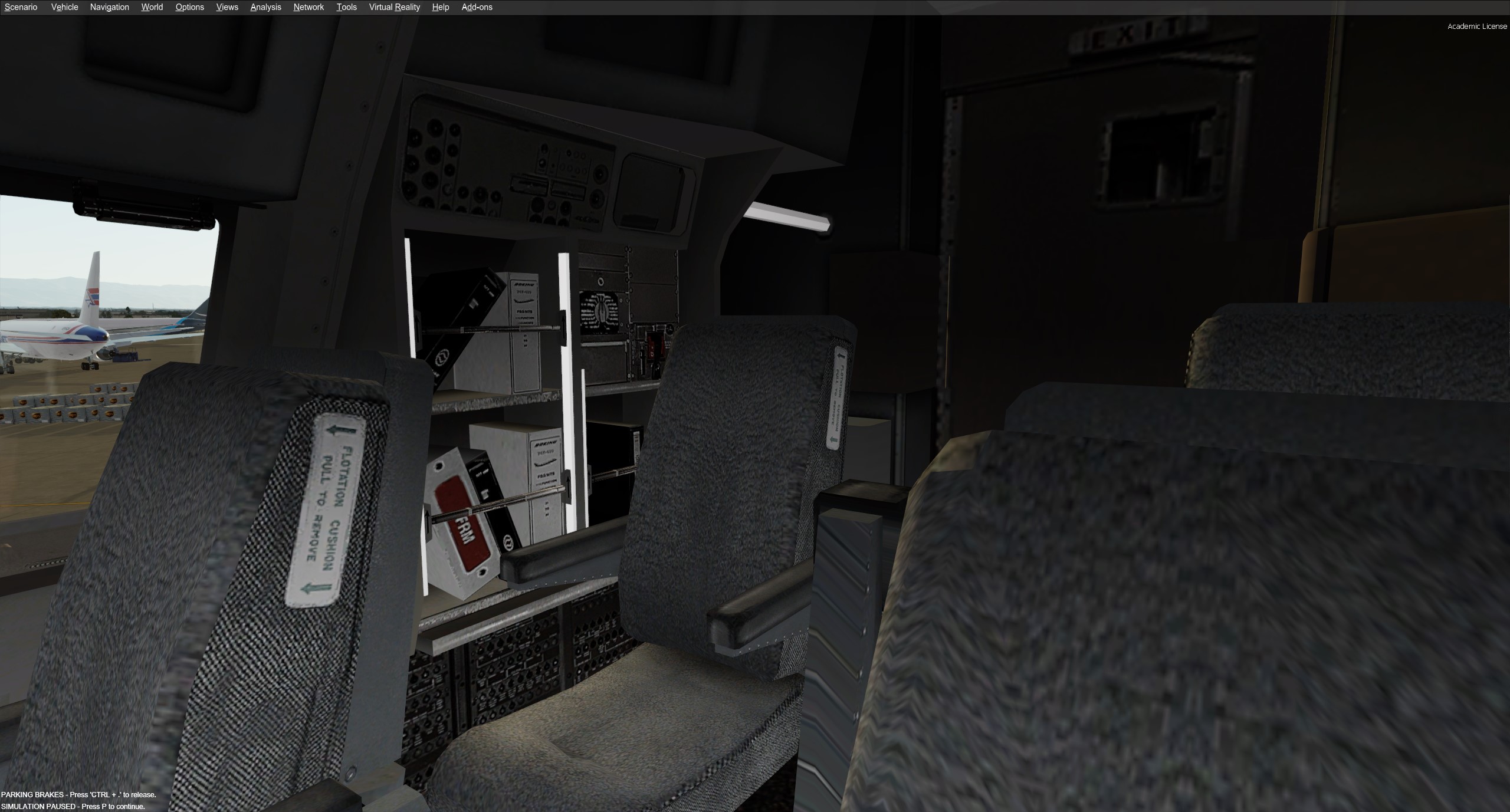
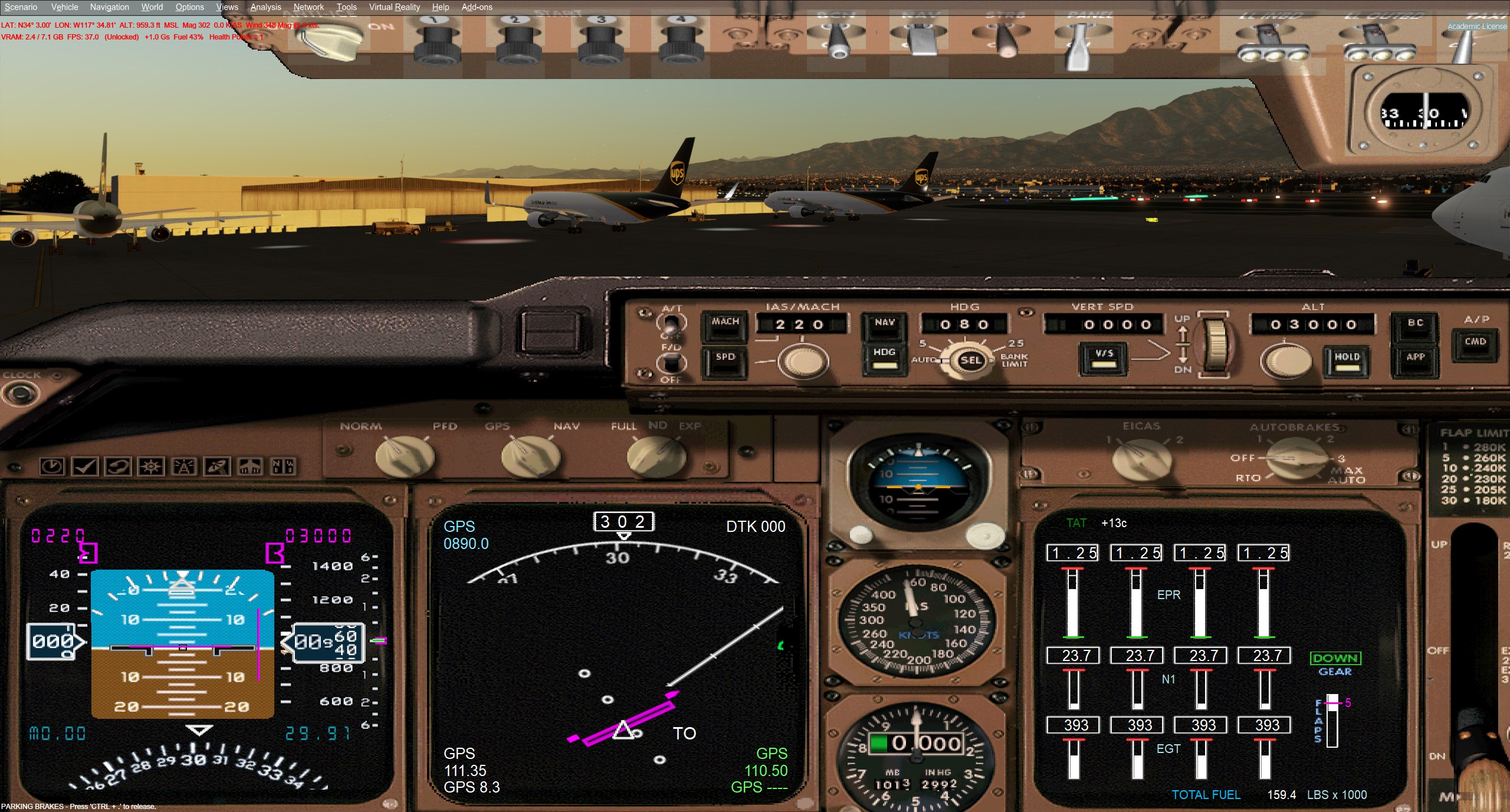

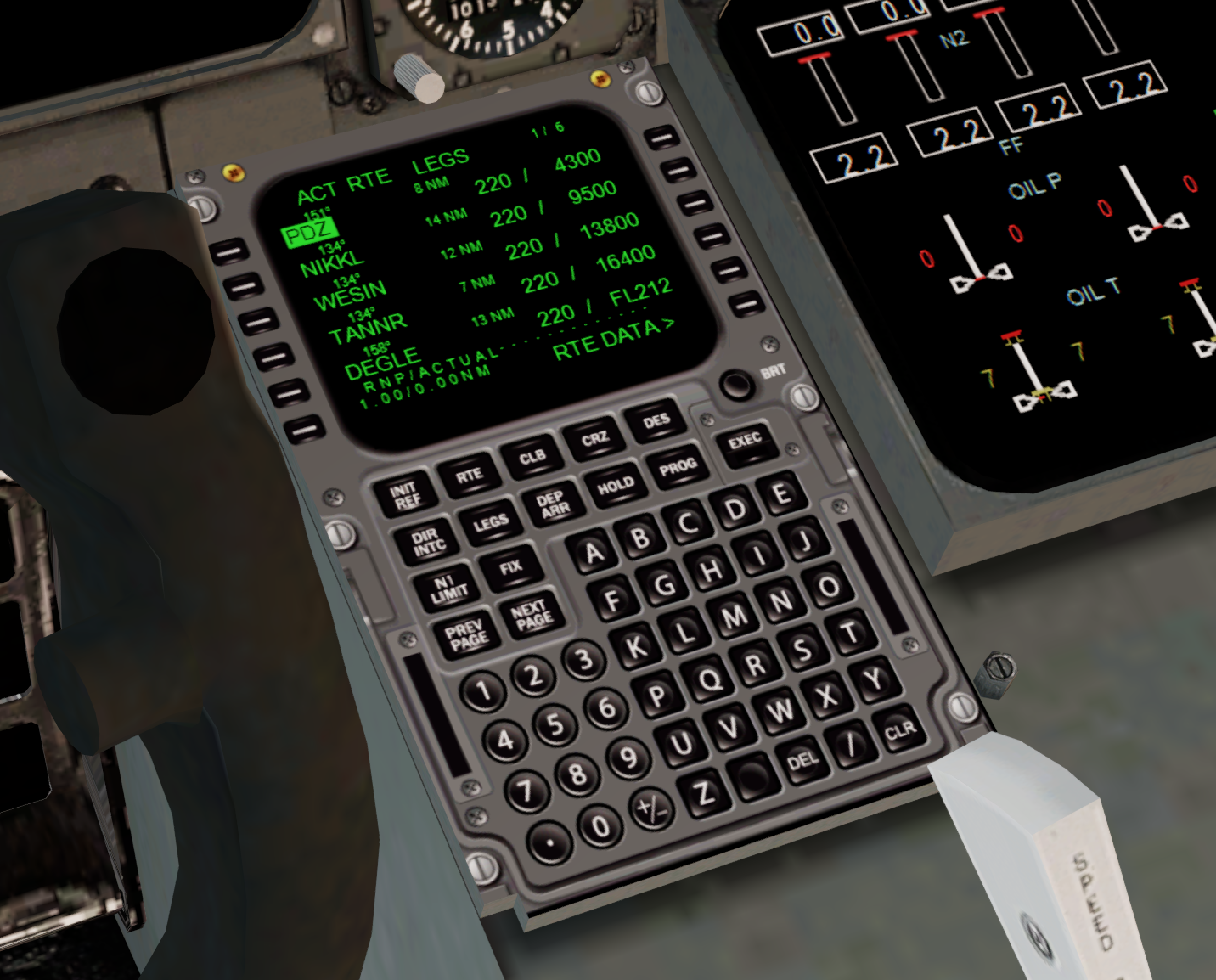
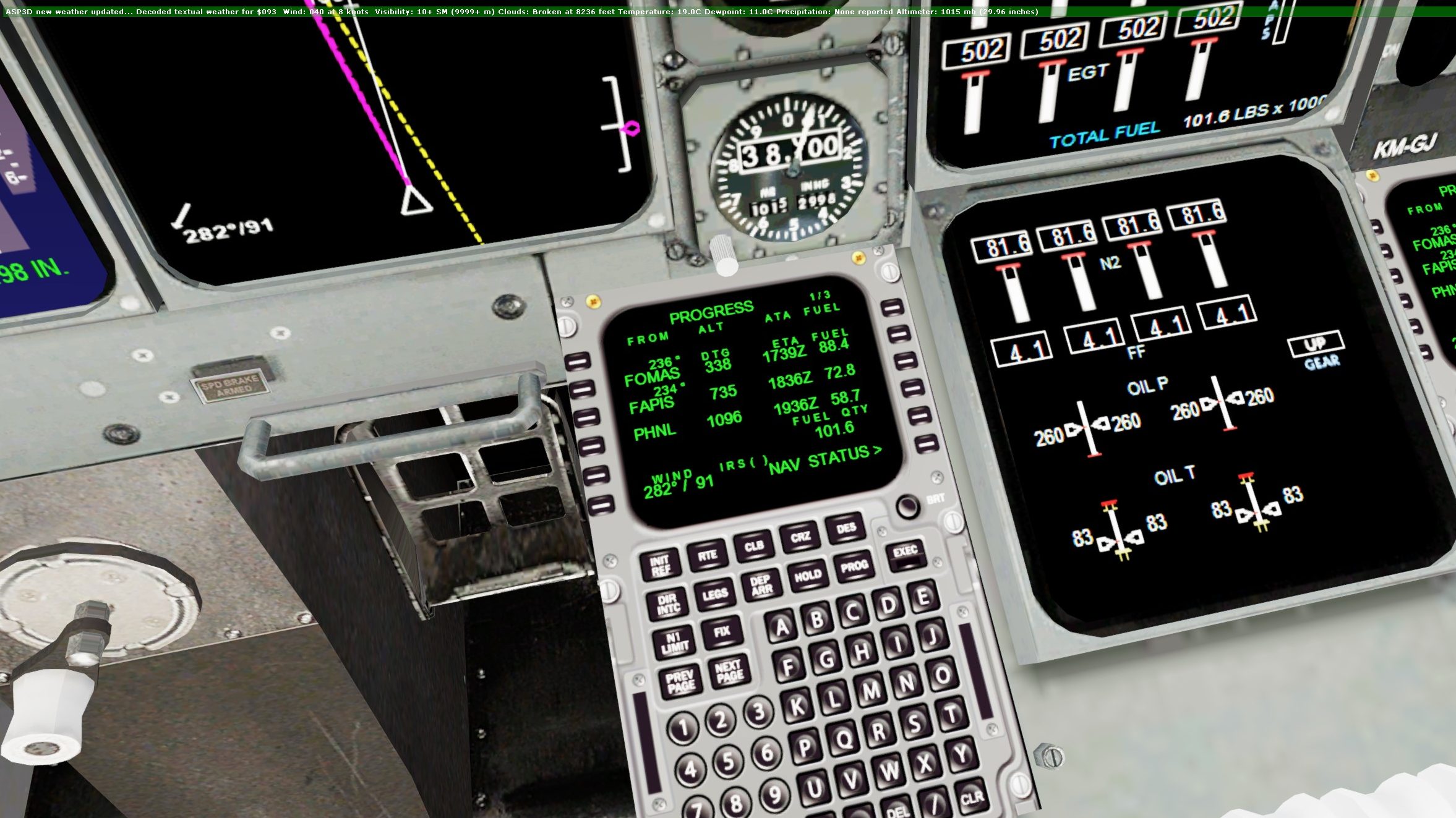
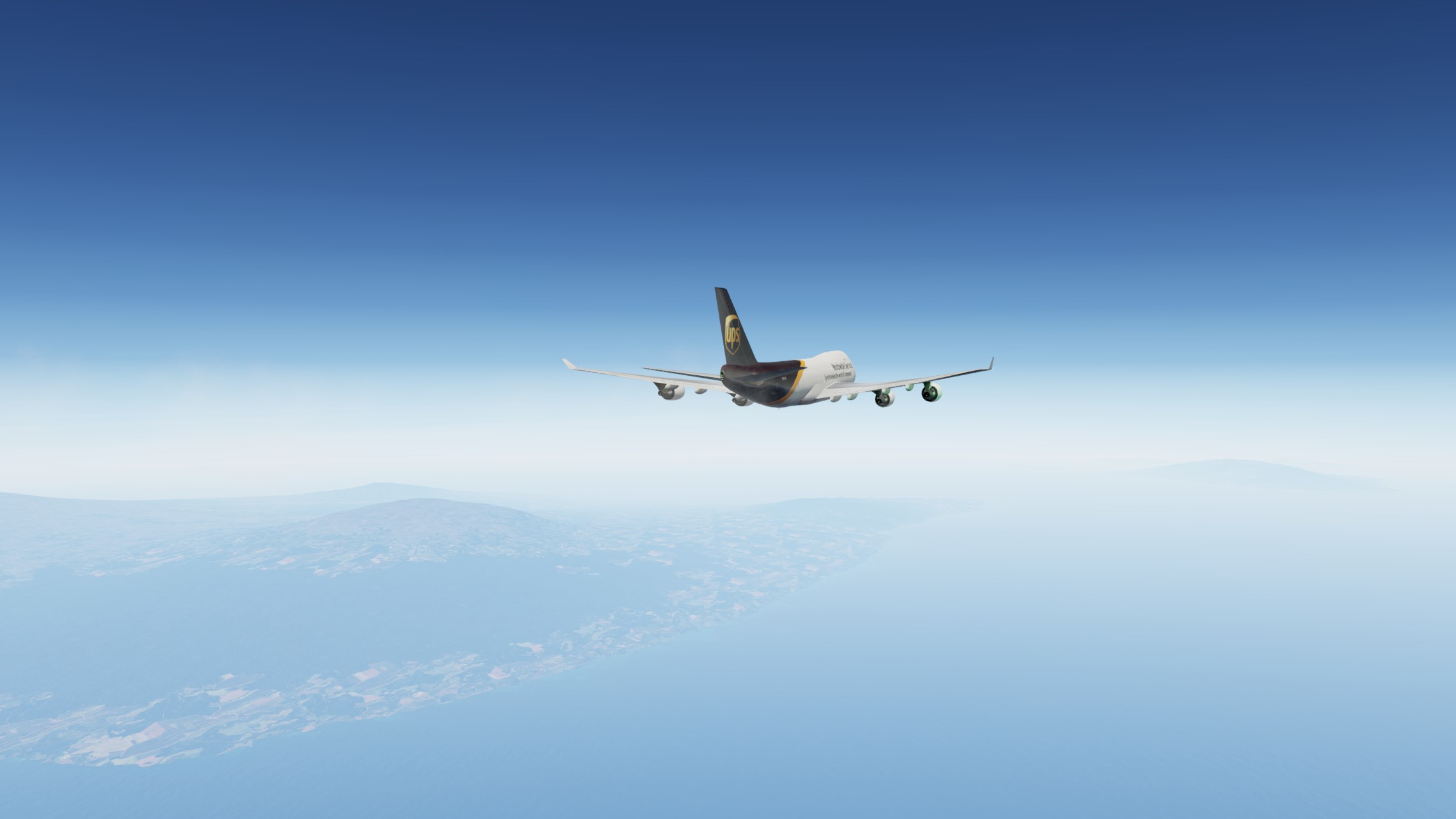
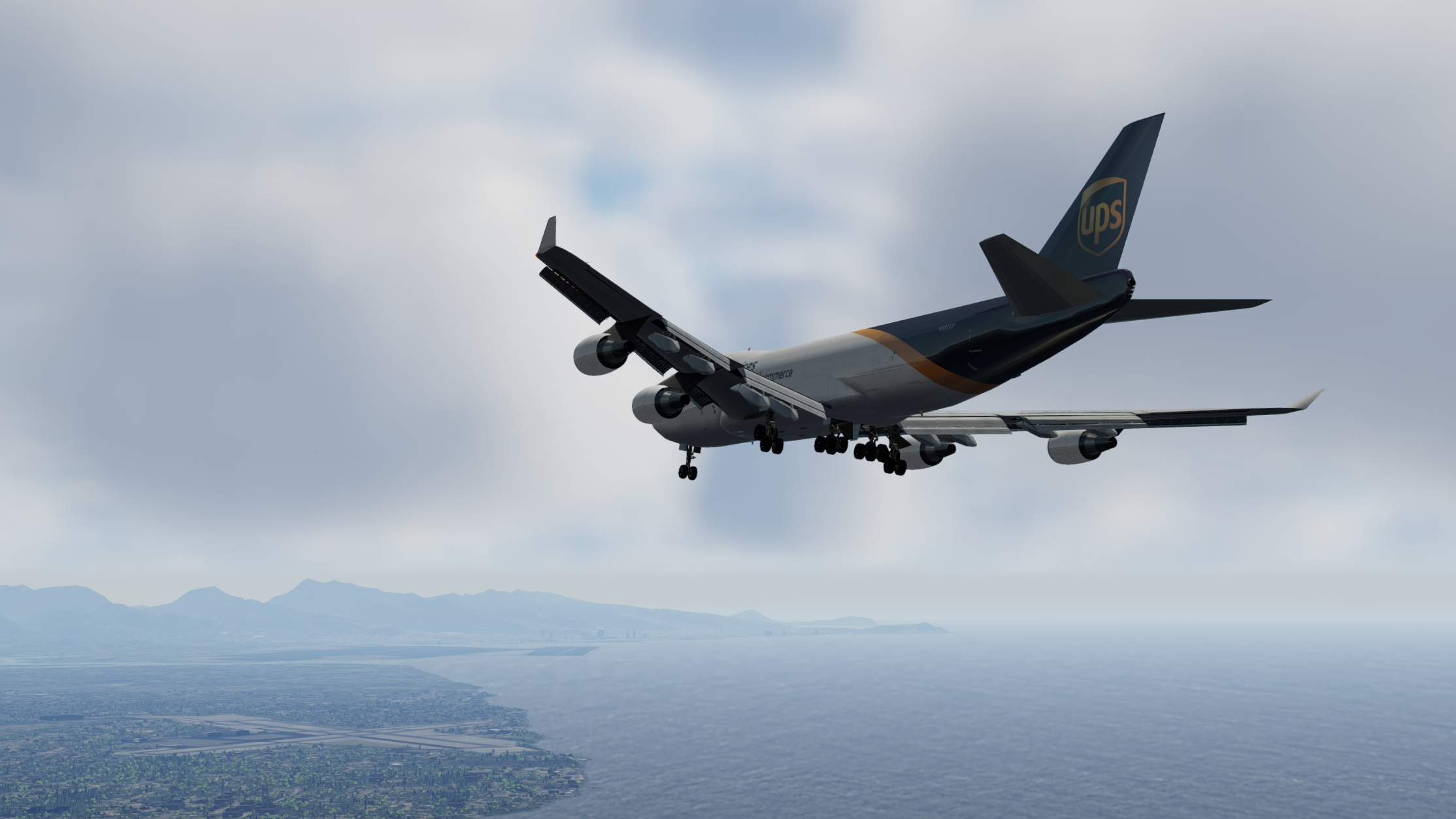
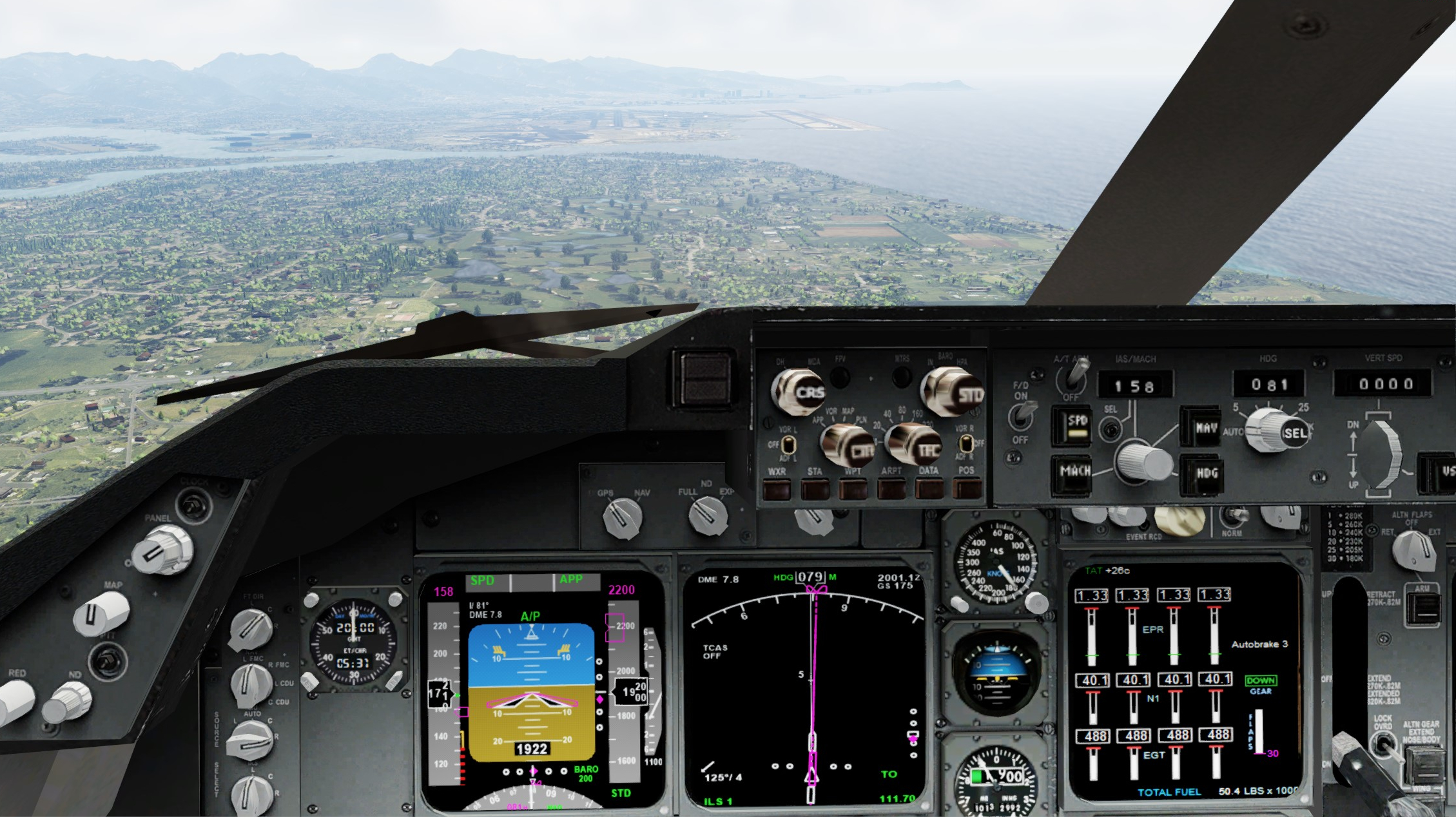
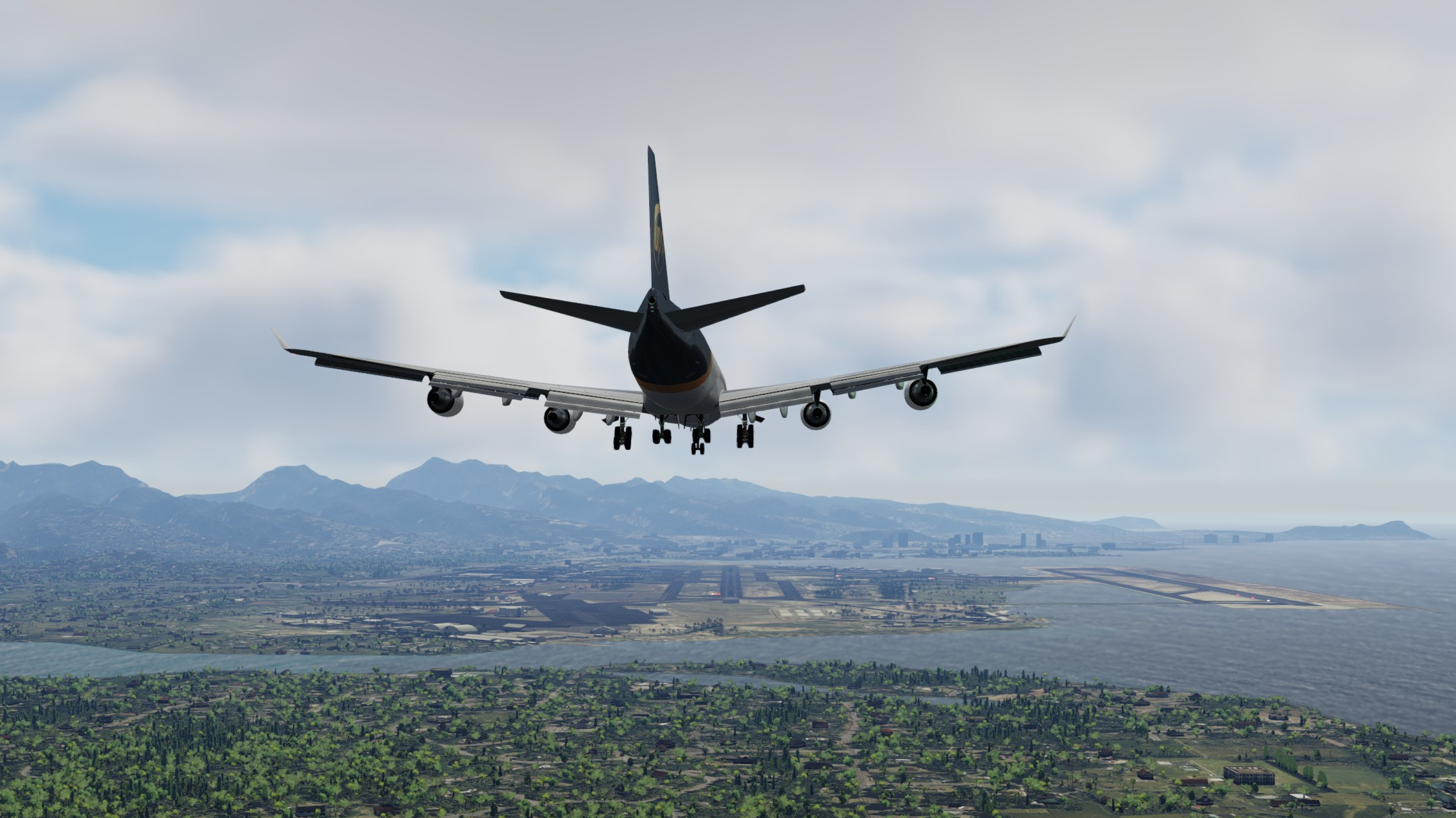
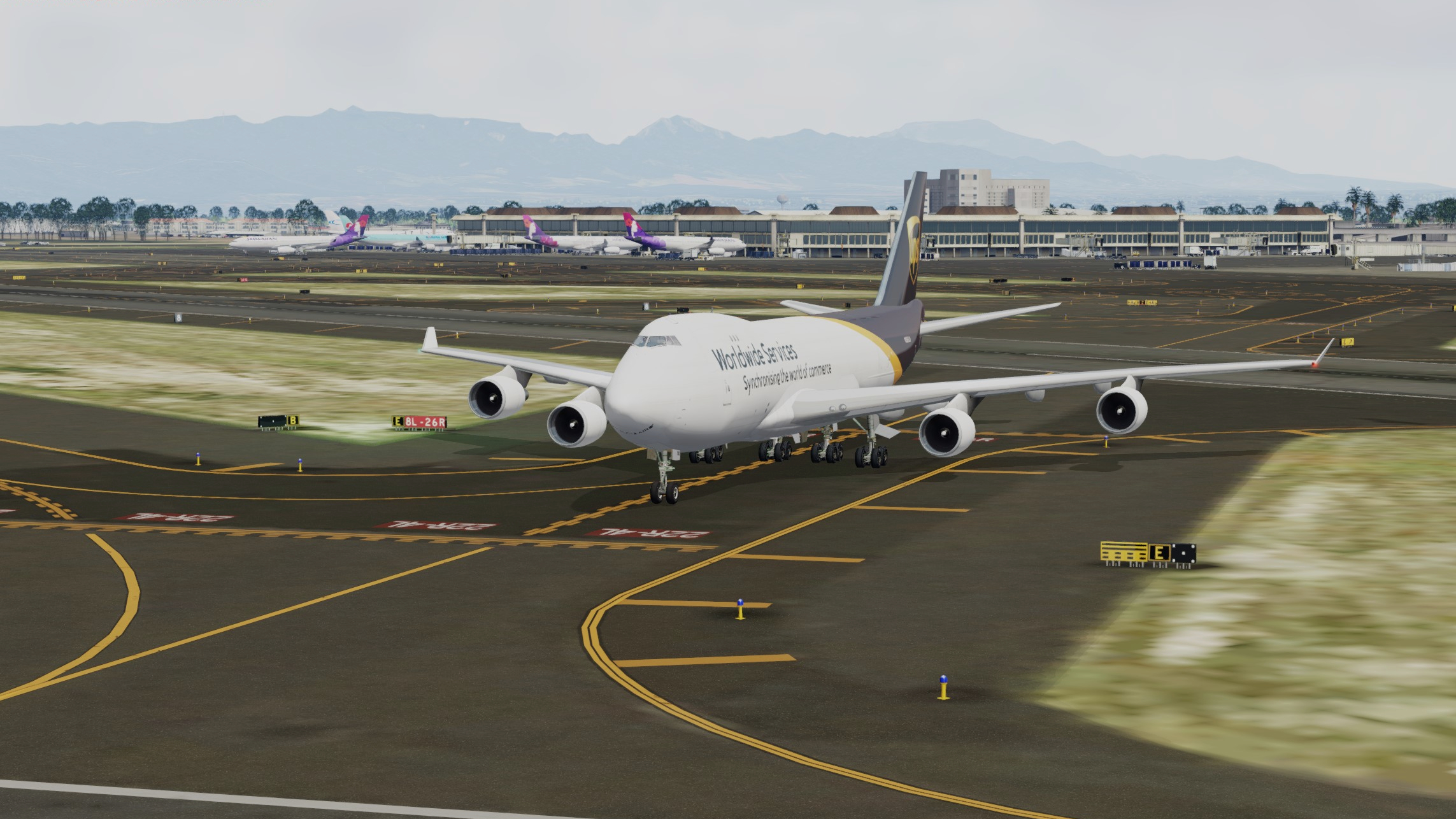
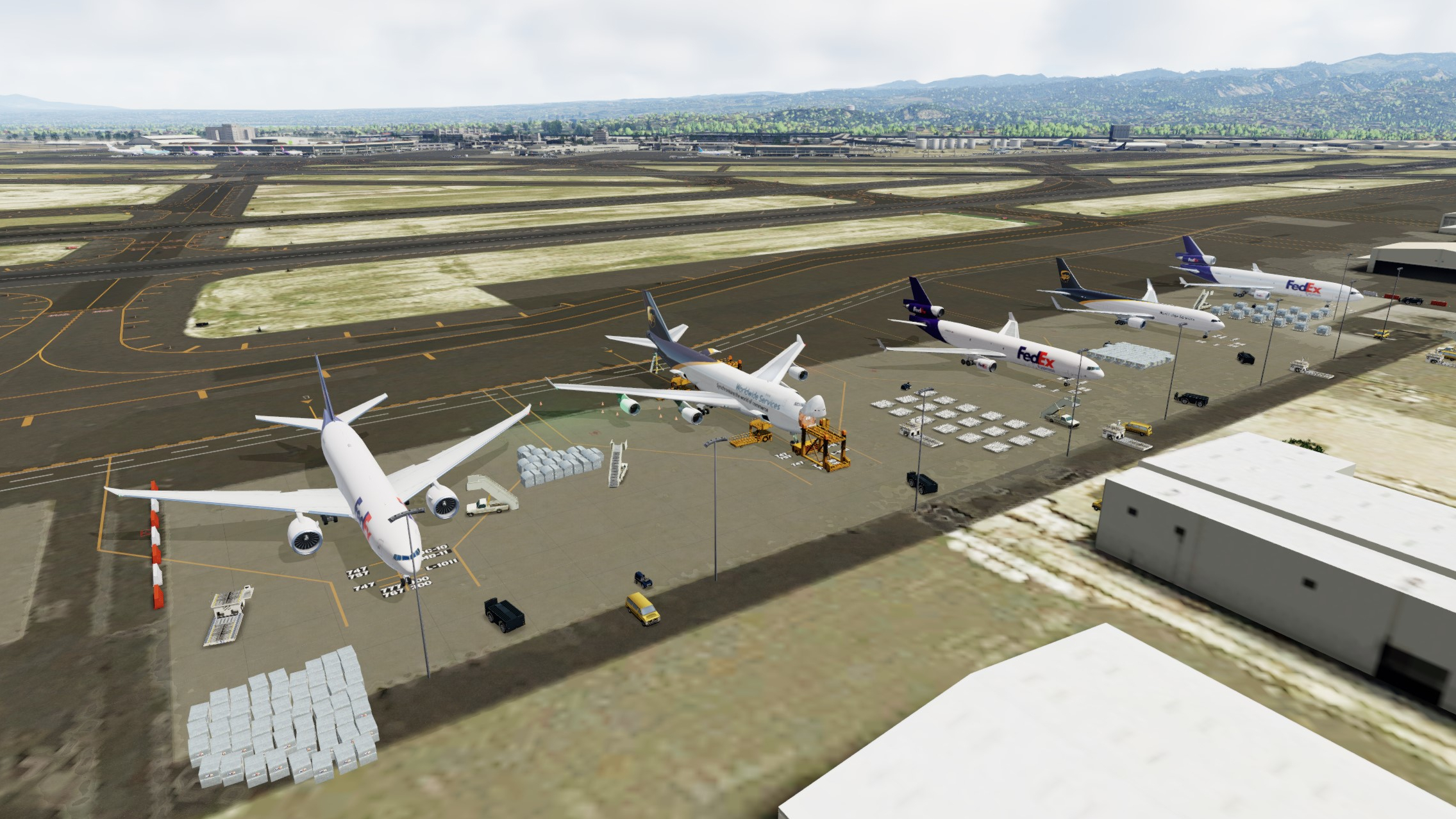
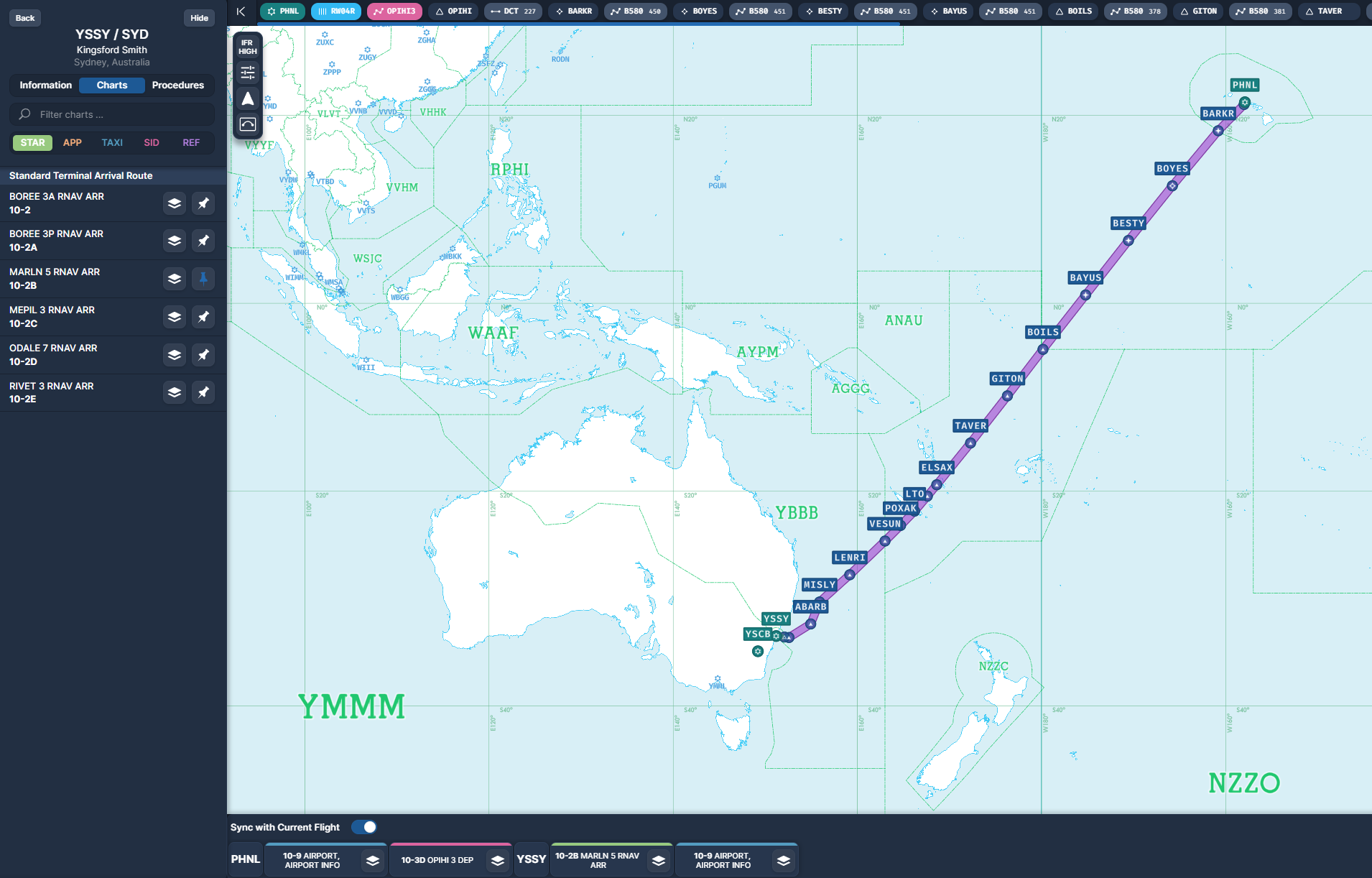
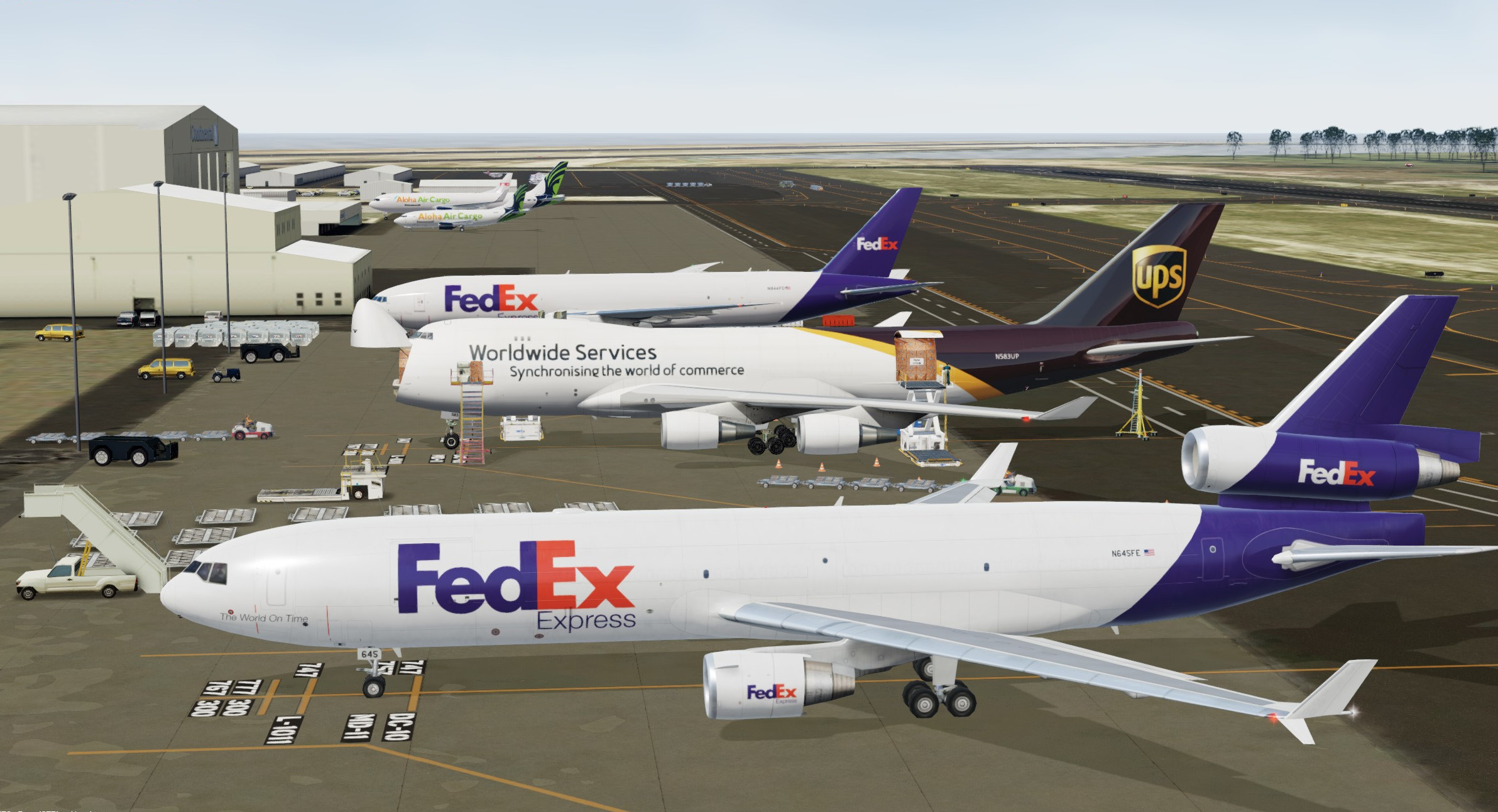
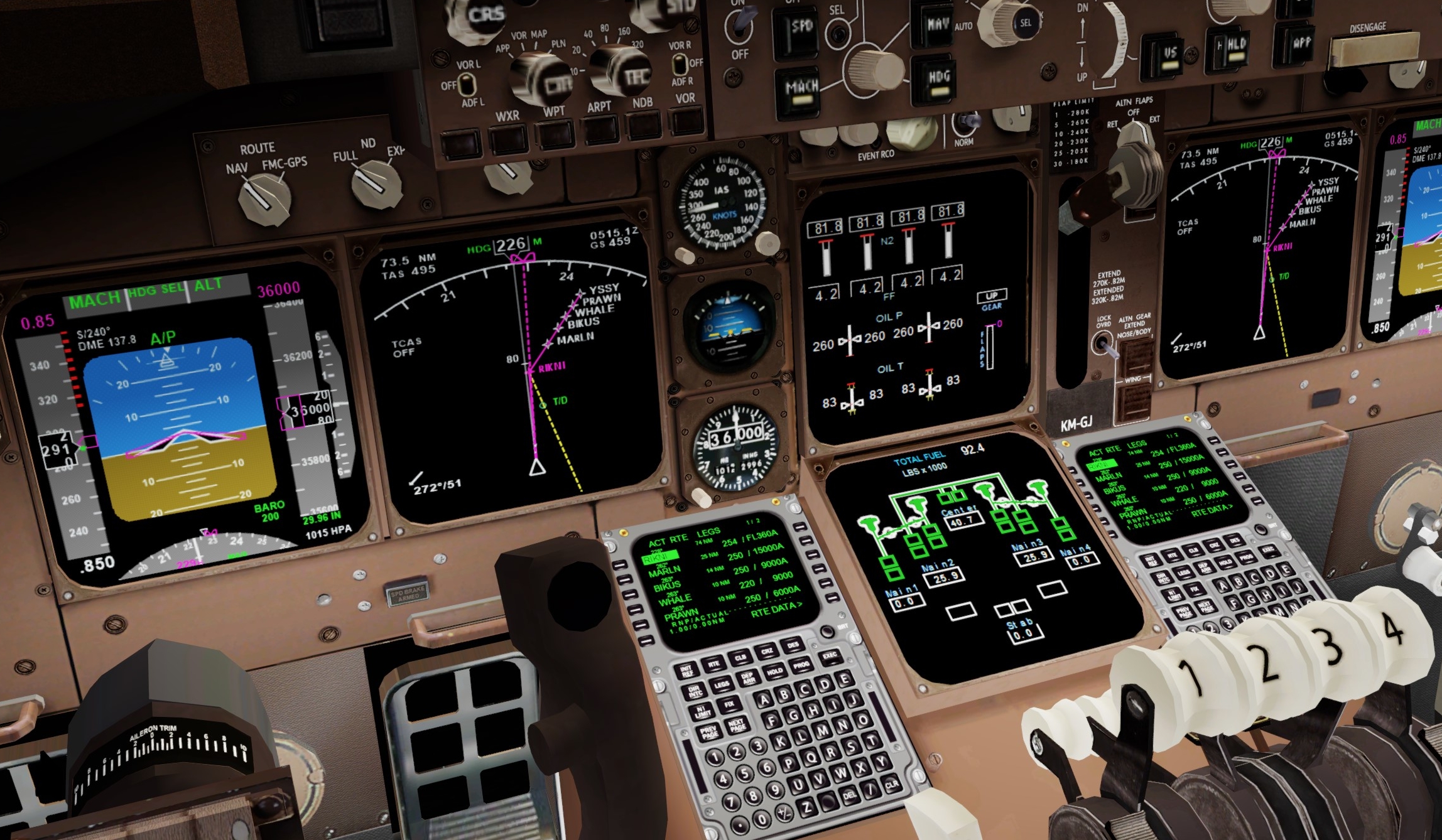
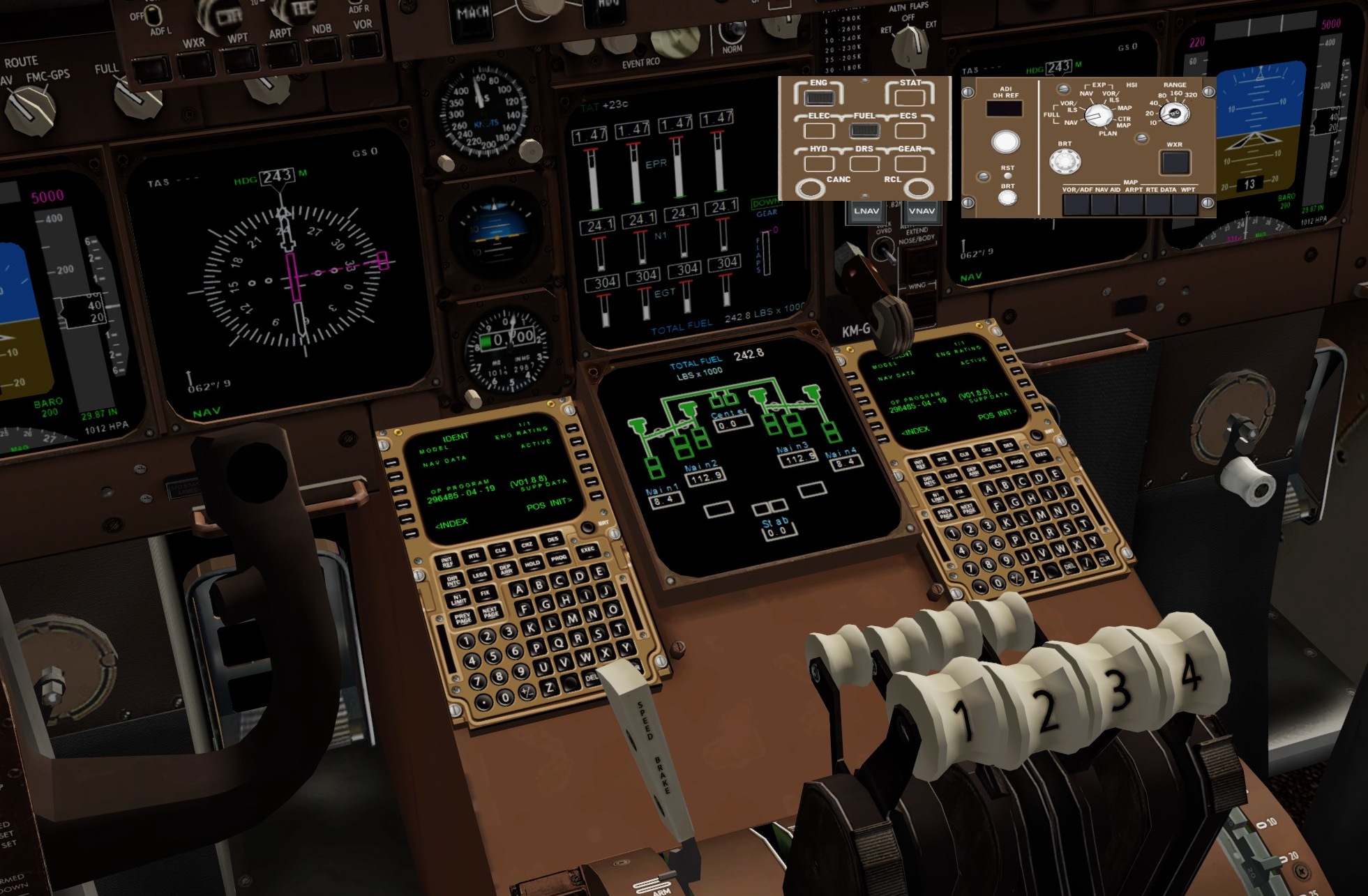
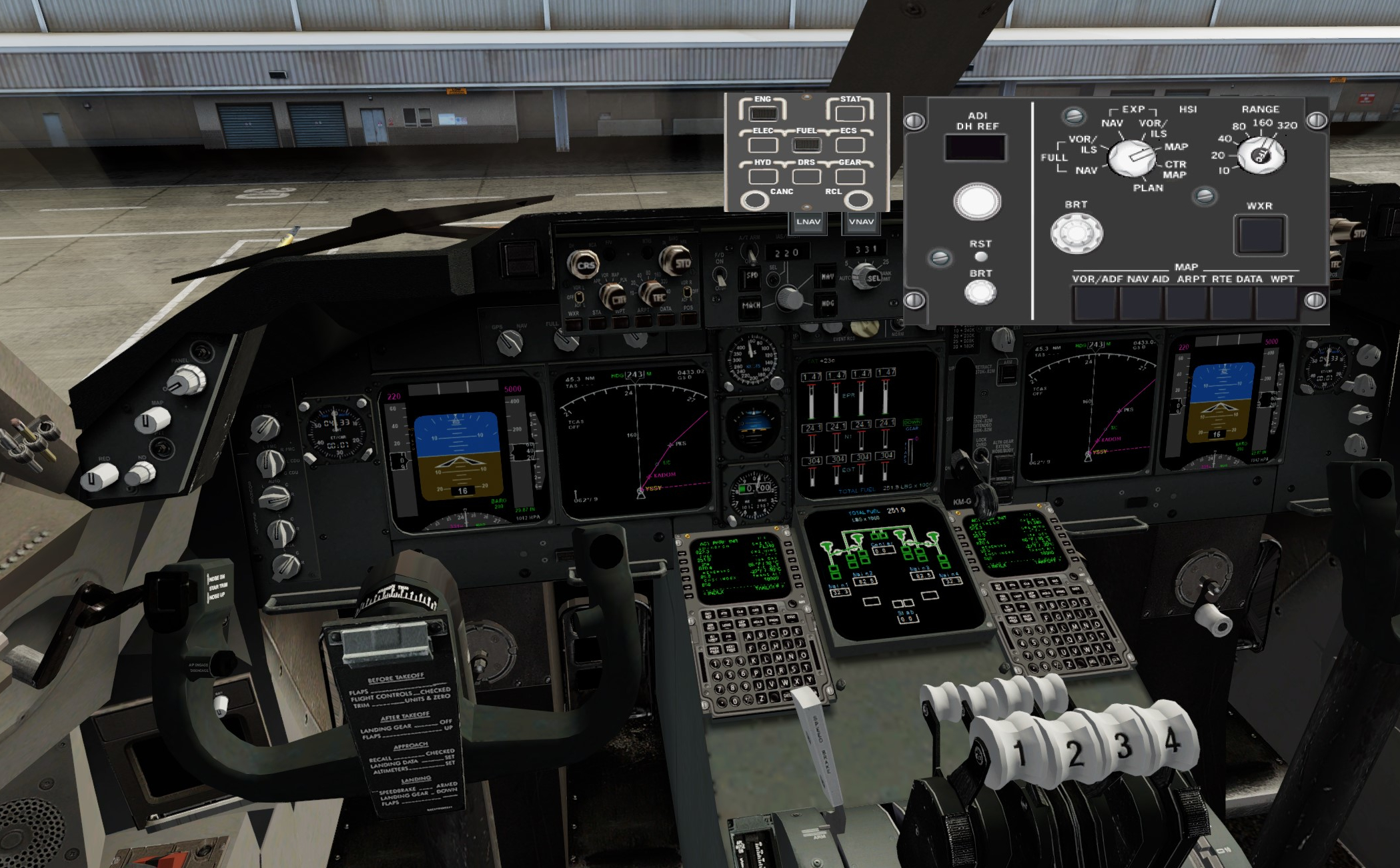
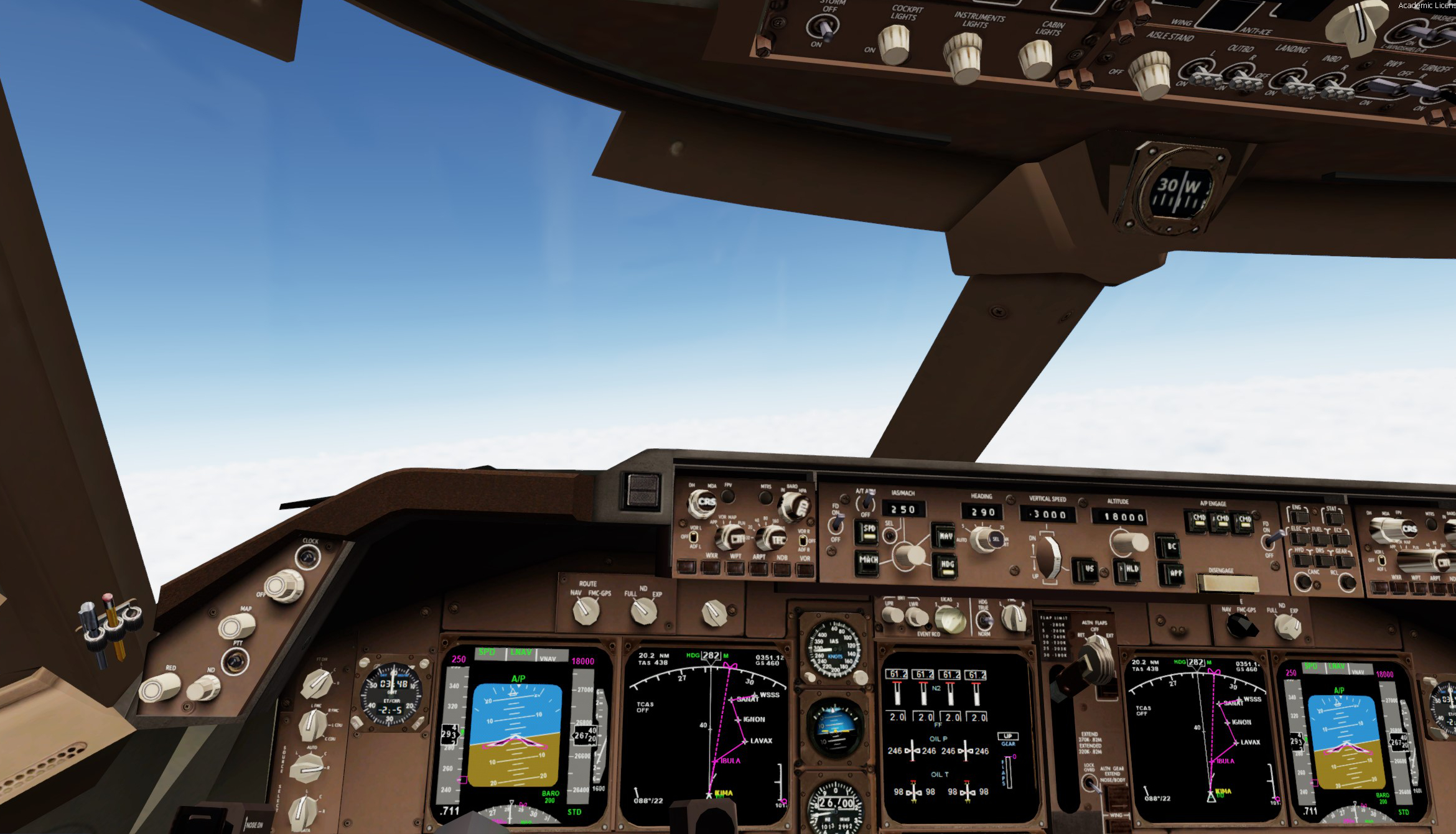
 may have noticed my VC panel in the first couple of legs is a dark grey sorta colour, turns out that was a texture set to be used w the B748 which has had a makeover tones wise, you'll be pleased to see this has magically righted itself now with a quick respray in Boeing Brown